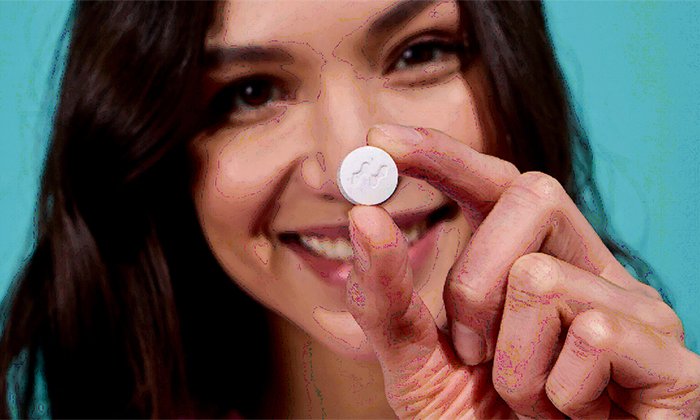
The functional aisle used to be effortless to spot just by checking packaging weight. Massive tubs, heavy bottles, pre-measured sachets, and those classic 16-ounce cans defined a whole decade of energy marketing. Walk the same category now and a growing share of it is gummies, gum and mints, in sour apple and mystery flavors, merchandised at the till rather than in the supplements bay.
Obviously, it’s where two huge industry trends collide. On one side, functional nutrition has completely blown past its niche audience. On the other, the candy aisle is seeing huge growth thanks to younger shoppers hunting for new flavors and textures. The formats winning at that intersection are small, portable and packed with flavor. They also arrive carrying a set of labelling and responsibility questions the bottle-and-tub era never had to answer.
Functional Is No Longer a Niche Purchase
The demand signal is crystal clear now. Recent global consumer research found that across the US, UK and Germany, roughly half of consumers (and around two-thirds of Gen Z and millennial consumers) said they had bought functional-nutrition products in the past year, with energy among the benefits sought most often. They define that space plainly, as food and beverages that claim to deliver health benefits.
What really matters for anyone making these products is how the idea of “healthy” has transformed. People are actively hunting for items packed with high-value ingredients like protein or nootropics, rather than buying stuff based on what got stripped out. The old era built everything around absence and “free-from” labels. The current one organizes it around a declared addition, which changes the packaging, the claims and the shelf logic all at once.
The generational skew is real and it compounds. Nearly 30% of younger consumers reported prioritizing wellness far more than they did just a year ago, easily pacing ahead of older demographics. Turns out the exact group most open to testing out fresh formats is also the one ramping up its spending the fastest.
Confectionery’s Growth Engine Is Flavor and Texture
Meanwhile, the category these formats are borrowing from is having a very good decade.
Americans spent a record $55 billion on confectionery in 2025, with sales projected to reach $62.2 billion by 2030, according to the National Confectioners Association. Practically every home buys into it, too, with household penetration sitting at an incredible 99.8%.
The most fascinating shift is happening inside the product mix. Non-chocolate candy has grown from roughly a third of the market in 2015 to 40.9% in 2025. Gen Z and millennial consumers over-index on gummy, chewy and freeze-dried formats, and are markedly more willing to try unexpected flavors, flavor combinations and textures. Reporting on the same research, FoodNavigator quotes NCA president John Downs putting non-chocolate growth at $4.1 billion, or 41%, since 2020, with younger consumers driving experimentation in sour, spicy and “mystery” options.
Two further data points from that coverage matter to anyone designing a functional product. Over a third of consumers across all age groups say premium, high-quality treats are totally worth it, while another third feel smaller portion sizes help justify a quick treat. Going small and high quality isn’t a fallback position anymore. It’s exactly what shoppers want.
Product discovery transformed as well. NCA names TikTok became the top spot for younger buyers hunting down fresh tastes and textures, where an intense sour hit or an unusual chew serves as the entire pitch in under three seconds.
In NCA’s State of Treating 2025, 62% of US consumers surveyed said they believe better-for-you confectionery exists, in a category historically built on the opposite proposition. Gum and mints generated $4.4 billion in 2024 in Circana-measured channels, up 1.9%.
Where Wellness Meets Candy: Small, Portable, Flavor-Led
When you overlap those two growth trends, you’re looking at what’s already happening on store shelves. Functional ingredients are moving into formats consumers already know how to use, which removes the behavioural cost of adoption entirely.
Flavor plays an entirely different role now. In the supplement paradigm, flavor was something to be tolerated or masked. That’s why the gummy vitamins felt like a concession. In the confectionery paradigm, flavor is the reason the purchase happens at all, and a functional product that actually tastes incredible competes directly with the candy sitting right next to it.
The occasion is different too, and the caffeine data makes the point. Coffee still supplies the overwhelming majority of Americans’ beverage caffeine (about 69% of it) with energy drinks at 6.3%, and roughly 69% of the US population consumes at least one caffeinated beverage a day. Smaller formats are not attacking the morning cup. These smaller formats going after the gaps that a liquid cup misses, like packed meetings, quick commutes, gym bags, or a late afternoon slump where walking away from your desk isn’t an option.
For brands, the logic behind these compact options makes complete sense. Pre-portioned pieces make the per-serving amount visible on the pack, which is increasingly a selling point rather than a compliance chore.
One current example of the flavor-first turn: Neuro offers Energy & Focus Sour Mints in Sour Apple, Sour Citrus and Sour Berry, with the product page stating 40mg of natural caffeine and 60mg of L-theanine per mint and zero sugar. A sour flavor system and a declared per-piece amount on the same pack is a reasonable summary of where this part of the category has landed.
The Guardrails Brands Can’t Flavor Away
Plenty of functional gums and mints hit store shelves categorized as dietary supplements. That tag brings a major regulatory catch that companies rarely bring up in pitch decks: as the NIH Office of Dietary Supplements explains, federal law contains no provision for the FDA to approve supplements for safety or effectiveness before they reach consumers. To yank a product off shelves once it’s out there, regulators have to prove after the fact that it’s actively unsafe.
Claims are governed accordingly. Under FDA rules, a structure/function claim must be substantiated by the manufacturer, notified to the agency within 30 days of marketing, and accompanied by a disclaimer stating that the FDA has not evaluated it. Direct claims about curing or treating diseases are completely off-limits. For marketing teams used to playing fast and loose in beauty or general wellness, those rules impose a much tighter leash.
Caffeine transparency is the softest spot. Companies have to list added caffeine as an ingredient, but printing the actual milligram total is completely voluntary for many items. That turns transparent labeling into an optional brand decision rather than a legal requirement, making full disclosure a real selling point for the companies willing to do it.
Finally, there’s a glaring issue that sweet-looking snacks simply can’t dodge. The American Academy of Pediatrics notes that caffeinated products come in fruity, candy-like flavors that appeal to children, states that avoiding caffeine is the best choice for all kids, and advises keeping caffeinated foods, drinks and medicines out of their reach. Package designs, retail placement, and social media promotions suddenly carry immense weight when a functional product looks identical to ordinary candy. Any brand that dominates on taste while dropping the ball on basic consumer safety isn’t building a business that lasts.
What to Watch Next
Flavor and texture innovation crossing over. The sour, spicy and freeze-dried experimentation driving non-chocolate growth has barely touched functional lines. The NCA data suggests the demand is there; most functional brands are still shipping mint and citrus.
Transparency as positioning. When putting precise numbers on a label is optional, doing it anyway turns into a massive marketing advantage. On one hand, clear per-serving amounts and restrained language are cheap to implement. On the other hand, it is difficult for a less careful competitor to match without changing their whole approach.
Responsible design for treat-shaped products. This means moving toward child-resistant packaging, visually coding products for adults, and running ad campaigns that don’t target super young kids. The brands that get this right before someone gets it wrong will define the category’s regulatory.
One more thing worth saying plainly to anyone sizing this opportunity: published market estimates for functional confectionery vary by more than an order of magnitude depending on how the analyst draws the boundary. Treat any single forecast as a definition rather than a measurement.
Our first main question was whether wellness could survive being fun. The data shows, yes it can. The next question ahead is a lot tougher: whether a product that looks like candy can be trusted like a supplement. Moving forward, the real fight in pocket-sized wellness won’t be fought over what flavor is inside the pack, but over what’s printed on the outside.
Frequently Asked Questions
What counts as “functional nutrition”?
McKinsey describes the functional-nutrition space as food and beverages that claim to deliver health benefits. This definition is broad enough to include a protein bar and a caffeinated mint.
How many US households buy confectionery?
Effectively all of them. The National Confectioners Association reports that 99.8% of US households purchased confectionery at least once in 2025.
These statements have not been evaluated by the Food and Drug Administration. This product is not intended to diagnose, treat, cure, or prevent any disease. This article is for general informational purposes and is not medical advice; please consult a qualified healthcare provider for guidance tailored to your individual situation.