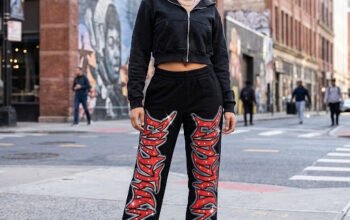
CDG x Peace in War brings together two different fashion perspectives that can be explored through the wider relationship between avant-garde design and contemporary streetwear. Comme des has built its reputation on challenging traditional fashion conventions, while Peace in War approaches clothing through expressive graphics and the contrast between calm and conflict. Exploring CDG clothing alongside modern streetwear helps explain how different design philosophies can appeal to people who value individuality over predictable trends.
The appeal of this comparison goes beyond logos or the popularity of graphic clothing. Fashion enthusiasts often look for garments that communicate something about their taste, personality, and approach to dressing. Some prefer unconventional silhouettes and understated experimentation, while others gravitate towards bold prints, relaxed fits, and visual statements.
Exploring Peace in War streetwear alongside Comme des offers a useful way to understand these differences. Although the two names can be discussed together as a fashion comparison, that does not establish an official collaboration between them. Their individual design identities provide the more meaningful starting point.
Where Avant-Garde Fashion Meets Streetwear Culture
CDG’s Influence on Experimental Fashion
Comme des Garcons (https://commedesgaarcons.com/) has played an important role in expanding how designers and audiences think about clothing. Founded by Rei Kawakubo in Tokyo in 1969, the label developed a reputation for questioning established ideas about shape, proportion, beauty, and construction. Its international recognition grew significantly after the brand presented collections in Paris in the early 1980s.
Rather than treating clothing as a straightforward way to follow current trends, the brand often approaches garments as a form of creative expression. Asymmetry, unusual proportions, unexpected layering, and unconventional shapes can change how a familiar item looks and feels. A jacket might become interesting because of its construction rather than its colour, while a simple silhouette may gain impact through an unexpected detail.
This experimental approach has influenced fashion conversations far beyond the runway. It has encouraged designers and consumers to consider whether clothing must follow traditional standards to be considered wearable or attractive.
However, Comme des should not be reduced to a single aesthetic. Its wider range includes conceptual runway collections, menswear, casual clothing, accessories, fragrances, and recognisable graphic designs. Different lines serve different purposes, so the experience of wearing a casual CDG piece can differ considerably from engaging with its more experimental collections.
Comme des PLAY is a useful example. Known for its heart-with-eyes motif, the line offers recognisable graphics on everyday pieces such as T-shirts and knitwear. It gives consumers an accessible way to engage with one part of the brand’s identity without requiring them to adopt a highly experimental wardrobe.
The important distinction is that CDG’s influence comes from more than unusual clothing. It represents an approach to design that encourages people to reconsider familiar forms and find value in ideas that sit outside conventional fashion expectations.
Peace in War’s Approach to Graphic Streetwear
Peace in War takes a different route by using contemporary streetwear as a medium for visual expression. Its brand identity centres on the contrast between peace and conflict, creating a concept that can be communicated through graphics, garment details, and the overall mood of a collection.
Graphic streetwear has a distinctive relationship with personal identity. A printed T-shirt or statement hoodie can communicate a particular attitude before the wearer says anything. Graphics, typography, placement, and colour all contribute to the impression a garment creates.
For Peace in War, the contrast embedded in its name offers a foundation for this expression. The idea of calm existing alongside conflict provides a theme that can be translated into clothing rather than remaining an abstract concept. This gives the brand a recognisable direction for customers who prefer streetwear with a clear visual point of view.
Hoodies and graphic T-shirts are especially useful examples of how this approach works in everyday outfits. A graphic hoodie can become the focal point of an otherwise simple look, while a printed T-shirt can introduce personality without requiring multiple statement pieces. Denim, relaxed trousers, and casual footwear can support the design without competing for attention.
The balance between message and wearability is important. Strong graphics may attract attention, but customers still need to consider the garment’s fit, fabric, comfort, and compatibility with clothing they already own. A design that looks striking in a product photograph should also work within the buyer’s actual wardrobe.
Peace in War therefore represents a different route to individuality. Where experimental fashion may challenge familiar construction or proportions, graphic streetwear often communicates through visible imagery, styling, and the attitude associated with everyday clothing.
Key Differences in Design and Expression
The most useful way to compare CDG and Peace in War is to examine how each design approach communicates identity. Both can appeal to people who want clothing with character, but their visual priorities are not necessarily the same.
Design philosophy: Comme des is widely associated with experimental thinking, unconventional shapes, and the questioning of established fashion rules. Peace in War centres its identity on the tension between peace and conflict, expressed through a contemporary streetwear aesthetic.
Visual language: Depending on the line, CDG may use restrained graphics, unusual proportions, conceptual construction, or recognisable motifs. Peace in War places greater emphasis on its own streetwear identity and graphic presentation. Individual products vary, so these are broad distinctions rather than rules for every garment.
Approach to everyday outfits: Casual pieces from either brand can fit into a daily wardrobe, but the styling process depends on the item. A simple CDG T-shirt may work as a subtle detail, while an experimental piece may need more deliberate styling. A bold Peace in War graphic hoodie may already provide enough visual impact to anchor an outfit.
What makes a piece distinctive: With an experimental garment, the difference may lie in its shape, construction, or unexpected proportions. With a graphic streetwear piece, it may come from the print, typography, colour combination, or message. Understanding this distinction helps buyers choose items for the reasons that matter to them.
Buying priorities: A buyer interested in construction and silhouette may focus on garment measurements, fabric behaviour, and how a piece sits on the body. Someone choosing a statement hoodie may pay closer attention to graphic placement, print quality, fabric weight, and how the design works with their usual outfits.
Neither approach is automatically better. The right choice depends on the wearer’s preferences and the specific garment rather than the assumption that one fashion category is more valuable than another.
It is also worth separating brand comparison from collaboration claims. Writing about CDG x Peace in War can be a way to explore two aesthetics, but an official joint collection should only be described as such when reliable evidence confirms it. This distinction keeps fashion content informative and helps readers understand what they are actually considering.
How to Choose Pieces That Match Your Style
Choosing between avant-garde fashion and graphic streetwear becomes easier when you begin with how you dress in everyday life. Instead of buying a garment solely because it attracts attention online, consider the role it will play in your wardrobe.
Start with your preferred visual style. If you enjoy unusual silhouettes, asymmetrical details, and creative interpretations of classic clothing, explore the relevant Comme des collections. If you prefer expressive graphics and recognisable streetwear pieces, look for Peace in War garments that suit your taste. You can appreciate both approaches without needing to choose only one.
Think about how often you will wear the item. A highly distinctive garment may work best as a statement piece for selected outfits. A simpler T-shirt or hoodie can be easier to wear regularly. Neither option is inherently more practical; the decision depends on your routine and how much variety you want from your wardrobe.
Check the fit rather than relying on the label. Sizing can differ between product lines and individual garments. Review the measurements provided on the specific product page, especially for oversized hoodies, structured outerwear, and experimental silhouettes. Compare those measurements with a garment you already own and like.
Evaluate materials and construction. Look at the fabric composition, seams, closures, lining, print application, and care instructions. For graphic pieces, inspect the available product details about the print and fabric. For garments with unusual shapes, consider whether the construction supports the intended silhouette and whether the piece will be comfortable to move in.
Build the outfit around one focal point. If you choose a bold graphic hoodie, pair it with relatively simple trousers and footwear so the print remains prominent. If the garment itself has an unusual silhouette, keep other elements balanced to let its shape stand out. These are practical starting points, not strict fashion rules.
Buy from reliable sources. Brand names and popular graphics can attract counterfeit products and misleading listings. Check the seller’s reputation, product photographs, return policy, sizing information, and consistency of product details. For expensive or collectible items, look for stronger evidence of authenticity rather than relying on a logo or a low price alone.
Finally, consider the cost per wear. A garment that fits well, suits your personal style, and works with several existing outfits may provide more value than a statement piece that rarely leaves the wardrobe. The strongest purchase is not necessarily the loudest or most expensive one; it is the one that fits your preferences and practical needs.
Frequently Asked Questions
Is CDG x Peace in War an official collaboration?
The fact that the two names appear together in a fashion discussion does not confirm an official collaboration. Unless an announcement or reliable product listing verifies a joint release, it is more accurate to treat the topic as a comparison of Comme des and Peace in War’s distinct fashion identities.
What is the main difference between CDG and Peace in War?
Comme des is widely recognised for experimental fashion, conceptual design, and unconventional silhouettes. Peace in War focuses on a contemporary streetwear identity built around the contrast between peace and conflict. The precise differences depend on the individual garments being compared.
Can Comme des be worn as everyday streetwear?
Yes. The wider brand includes casual items as well as experimental collections. Simple T-shirts, knitwear, and other everyday pieces can be styled with denim, relaxed trousers, and sneakers. More conceptual garments may require greater attention to proportion and layering.
What makes Peace in War appealing to streetwear enthusiasts?
Its identity centres on graphic expression and the idea of contrasting emotions and experiences. Customers who enjoy statement clothing may appreciate pieces that communicate an attitude through imagery, typography, and styling.
How should I style CDG and Peace in War pieces together?
Begin by choosing one main focal point. For example, pair a graphic hoodie with understated trousers, or combine a simpler CDG piece with streetwear-inspired denim and casual footwear. If the garments have strong graphics or unusual shapes, avoid adding too many competing elements.
What should I check before buying either brand?
Review sizing, garment measurements, fabric composition, construction, care instructions, seller reliability, and return conditions. If authenticity matters, confirm the source and look for reliable evidence rather than assuming that a product is genuine because it carries a familiar logo.
Conclusion
CDG x Peace in War provides a useful starting point for exploring two different ways clothing can express individuality. CDG Hoodie demonstrates how experimental design can challenge established ideas about shape and beauty, while Peace in War approaches streetwear through graphic expression and the contrast between peace and conflict.
The strongest comparison does not depend on claiming that the brands have officially collaborated or that their products follow the same design philosophy. Instead, it recognises what makes each identity distinct and helps buyers understand how those differences translate into real wardrobe choices. By considering visual style, fit, materials, authenticity, and everyday wearability, fashion enthusiasts can make more informed decisions and build a wardrobe that reflects their own perspective.