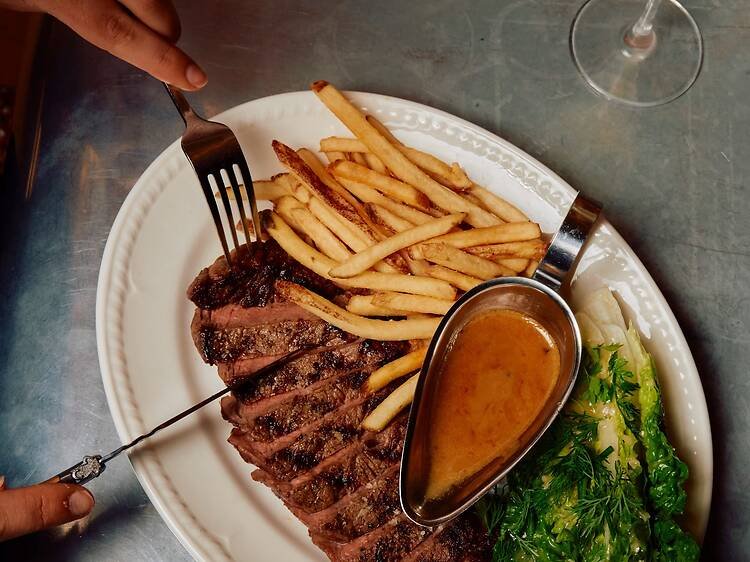
Few meals are as simple, or as easy to get wrong, as a steak. There is nowhere to hide: no heavy sauce to mask a poor cut, no clever plating to distract from an overcooked centre. It comes down to the quality of the beef, the skill of the cook and a few moments of fire and rest. Melbourne has built a strong reputation for food, and if you are hunting for the Best steak melbourne has to offer, knowing what to look for turns a hopeful dinner into a reliably excellent one. Here is a diner’s guide to cuts, cooking, sides and the details that separate a good steakhouse from a memorable one.
Start With the Cut
Each cut has its own character, texture and flavour. Choosing the right one for your taste is half the battle.
Eye Fillet (Tenderloin)
The most tender cut, with a mild, buttery flavour. It has little fat, so it benefits from sauces and careful cooking. Ideal for diners who value tenderness over intense beefiness.
Scotch Fillet (Ribeye)
Rich, juicy and marbled with fat, scotch fillet delivers deep flavour. It is a favourite for people who want beef that tastes like beef.
Sirloin (Porterhouse and New York Strip)
A balanced choice, with a firm bite, good flavour and a fat cap along the edge. Sirloin is excellent when cooked medium-rare.
T-Bone and Porterhouse
These bone-in cuts include a strip on one side and a fillet on the other, giving two textures in one meal. They are generous and usually shared or tackled by a hearty appetite.
Rump
A lean, flavourful and good-value cut. Rump has plenty of taste and works best when not overcooked.
Rib-Eye on the Bone (Cowboy Cut)
A thick, bone-in rib steak with intense flavour and a show-stopping appearance.
Wagyu and Marbled Premium Beef
Heavily marbled beef melts as it cooks, creating an exceptionally rich, buttery eating experience. Because it is so rich, smaller portions often satisfy.
Understanding Quality: Marbling, Grain and Age
- Marbling refers to the thin white flecks of fat within the muscle. More marbling usually means more flavour and juiciness.
- Grass-fed vs grain-fed: Grass-fed beef tends to taste leaner and more earthy, while grain-fed beef is often richer and more tender.
- Dry-aging: Beef is hung in controlled conditions for weeks, concentrating flavour and tenderising the meat. The result is nutty, intense and deeply savoury.
- Wet-aging: Meat is aged in vacuum packaging, producing a tender result with a cleaner flavour.
Do not hesitate to ask your server about the origin and aging of the beef. A good steakhouse is proud of it.
Cooking Levels, Decoded
Most chefs recommend medium-rare for the best balance of tenderness and flavour, but the right level depends on your taste and the cut.
- Blue: Seared outside, cool and raw inside.
- Rare: Red and cool to warm centre.
- Medium-rare: Warm red centre, juicy and tender.
- Medium: Pink centre, firmer texture.
- Medium-well: Slight pink, more cooked.
- Well done: Cooked through, firmer and drier.
Fattier cuts like scotch fillet handle higher doneness better, while lean cuts such as eye fillet can dry out quickly.
What Great Cooking Looks Like
- A deep, caramelised crust from high heat, adding flavour.
- A juicy interior that matches what you ordered.
- Proper resting. Resting allows juices to redistribute so they do not flood the plate when sliced.
- Correct seasoning. Salt enhances flavour and builds the crust.
Many steakhouses cook over charcoal, wood fire or a very hot grill, each adding its own smoky character.
Sauces, Butters and Sides
A great steak should stand on its own, but accompaniments add pleasure.
Classic Sauces
Pepper, mushroom, béarnaise and red wine jus are all traditional pairings. Order sauce on the side to taste the meat first.
Sides That Work
Hot chips, creamy mash, grilled vegetables, a crisp green salad and creamy greens balance a rich plate. Contrast helps: something fresh, something crunchy, something comforting.
Wine and Drink Pairings
Bold red wines pair naturally with beef. Cabernet Sauvignon, Shiraz and Malbec suit rich, robust cuts, while Pinot Noir complements lighter, more delicate ones. If you prefer something different, a crisp lager, dark ale or a robust non-alcoholic option can also complement the richness. Ask your server for suggestions, since good venues choose wines to match their menu.
The Dining Experience Matters Too
Excellent food deserves excellent surroundings.
- Atmosphere: Warm lighting, comfortable seating and a welcoming mood make a meal feel special.
- Service: Attentive but unhurried staff can explain cuts, cooking levels and pairings.
- Menu confidence: A focused menu often signals a kitchen that does a few things well.
- Consistency: The same steak should deliver the same quality on every visit.
Tips for Ordering Like a Regular
- Be honest about doneness. Choose what you enjoy, not what you think you should.
- Ask about specials and limited cuts. These often feature the best of the day.
- Share for variety. Ordering different cuts for the table lets everyone taste more.
- Book ahead for busy nights and special occasions.
- Tell the venue about dietary needs so they can accommodate you.
- Save room. Many steakhouses have excellent desserts.
Common Steak Mistakes Diners Make
- Ordering well done on a lean cut, which can turn tough.
- Drowning the steak in sauce before tasting it.
- Cutting into the meat immediately and losing the juices.
- Ignoring the seasonal specials.
- Choosing price over quality.
Final Thoughts
The best steak is a combination of quality beef, skilled cooking and a setting that makes you want to linger. Learn your preferred cut, know how you like it cooked, ask thoughtful questions and let the kitchen show what it can do. A great steak dinner is a simple pleasure, but when it is done right, it is hard to beat.