Adding a private well can offer greater control over your water supply, particularly if you need water for household use, irrigation, or future property improvements. However, access to groundwater comes with responsibilities that extend well beyond installation day. You must consider site conditions, construction costs, water quality, maintenance, and applicable regulations before making a commitment. Understanding these factors early can help you avoid expensive surprises and decide whether a private well is a practical long-term investment.
Understand What Your Property Needs
A private well draws groundwater from beneath the surface and delivers it through a pump and connected plumbing system. For some property owners, it can provide a dependable alternative to an existing supply arrangement. For others, it may be useful primarily for landscaping or agricultural purposes.
Start by estimating how much water you expect to use. Household consumption, outdoor irrigation, livestock, and additional buildings can create very different demands. A system designed around current needs may become inadequate if you expand your property or increase water use later.
Groundwater availability also varies. The depth of the water-bearing formation, surrounding geology, and seasonal conditions can influence whether a well is feasible and how much water it can produce. Before proceeding, arrange a professional assessment rather than assuming that groundwater will be easy to access simply because nearby properties have wells.
Plan the Drilling Before Work Begins
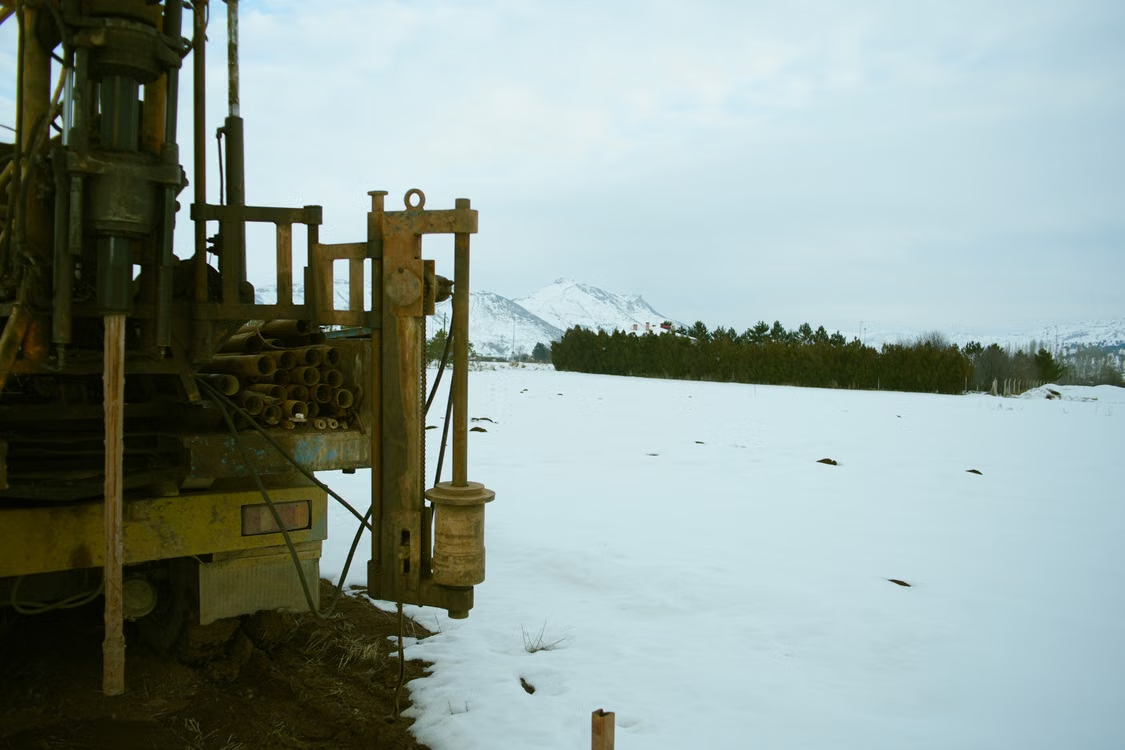
The construction process involves considerably more than drilling a hole and installing a pump. Site assessment, equipment access, well placement, casing, sealing, and system testing all contribute to the finished result.
When evaluating water well drilling, look for a contractor who can explain the proposed depth, anticipated groundwater conditions, construction method, and measures used to protect the water supply. The plan should also account for the location of buildings, drainage routes, septic systems, and other potential contamination sources.
Once drilling begins, the actual depth and conditions encountered may differ from initial estimates. Ask how unexpected geological conditions or insufficient water yield would affect the final price. A written agreement should clarify the expected scope, additional charges, testing arrangements, and responsibilities for completing the installation.
Careful planning helps reduce uncertainty, but no contractor can guarantee every underground condition in advance. The goal is to understand the likely risks and establish a sensible process for handling them.
Look Beyond the Initial Installation Cost
The price of a well depends on several variables, including depth, ground conditions, equipment requirements, and the amount of plumbing or electrical work involved. Hard rock may require more specialized drilling, while a deeper water source can increase labor and material expenses.
The complete budget should include more than drilling itself. Casing, grouting, pump equipment, pressure tanks, electrical connections, trenching, permits, and water testing can all contribute to the final bill. Depending on the quality of the groundwater, filtration or treatment equipment may also be necessary.
Ongoing expenses deserve equal attention. Pumps eventually require servicing or replacement, pressure systems need maintenance, and water quality must be checked periodically. If treatment is required, filters and other components may add recurring costs.
Request an itemized estimate and ask which expenses are included, which are provisional, and what circumstances could increase the total. Comparing complete proposals is more useful than choosing the contractor with the smallest advertised drilling price.
Make Water Quality a Priority
Finding groundwater does not automatically mean finding safe drinking water. Depending on local geology and nearby activities, a private well may contain bacteria, nitrates, dissolved minerals, metals, or other contaminants. Some problems affect taste and appearance, while others may present health risks without producing obvious warning signs.
Testing should therefore be part of the installation plan, not an afterthought. Arrange appropriate laboratory testing before relying on the supply for drinking or cooking. The CDC’s guidance on testing well water explains the importance of regular testing and identifying contaminants that may affect household water safety.
Testing results should guide any treatment decisions. Filtration, disinfection, or other systems may help address particular problems, but the correct solution depends on the contaminants identified. Installing equipment without understanding the water chemistry can waste money while leaving the underlying issue unresolved.
Check Regulations and Protect the Well’s Location
Before construction begins, confirm which permits, inspections, and professional qualifications apply to your property. Requirements vary by jurisdiction, so never assume that a contractor’s previous experience automatically covers every local rule.
Placement is particularly important. Wells may need specified separation distances from septic systems, drainage fields, fuel storage, property boundaries, or other potential contamination sources. Exact requirements depend on applicable regulations and site conditions.
Think about future property plans, too. A well positioned without considering driveways, extensions, landscaping, or maintenance access could become an obstacle later. Heavy equipment also needs a practical route to the drilling location, and the surrounding area should allow safe access for future repairs.
The EPA’s private well protection guidance outlines ways homeowners can reduce contamination risks and protect their water supply. Prevention is especially important because private wells generally do not receive the same routine monitoring as regulated public water systems.
Choose a Contractor Who Explains the Details
The right contractor should be willing to discuss technical requirements, explain the proposed installation, and provide clear documentation. Verify relevant licensing or certification, insurance, experience, and references where applicable. Ask how the well will be sealed against surface contamination and what testing will confirm that the completed system performs as intended.
A written proposal should identify the work included, expected schedule, payment terms, warranty coverage, and procedure for handling unexpected conditions. Clarify who obtains permits, arranges inspections, and provides documentation after installation.
Be cautious of vague estimates or promises that water will be found at a particular depth without a sound basis. Ground conditions are variable, and responsible professionals should communicate uncertainty rather than conceal it.
Prepare for Long-Term Ownership
A private well needs attention after the drilling equipment leaves. Periodic inspections can help identify damage, mechanical problems, or conditions that could compromise water quality. Keep the wellhead protected, maintain suitable drainage around it, and prevent chemicals, waste, and other contaminants from accumulating nearby.
Water testing should continue after installation, with frequency and additional tests guided by public health recommendations, local conditions, and any changes in taste, smell, or appearance. Keep records of test results, maintenance, repairs, and equipment specifications. These records make future troubleshooting easier and help establish a clear history of the system.
Make the Investment With Confidence
A private well can be a useful long-term asset, but its value depends on reliable construction, adequate groundwater, safe water quality, and realistic ownership costs. Assess your water needs, investigate site conditions, understand regulatory requirements, and compare detailed contractor proposals before committing.
The most successful project is not necessarily the one completed fastest or at the lowest initial price. It is the one planned carefully enough to provide a dependable supply while keeping future maintenance and risks manageable. A little preparation before drilling can make a substantial difference to the years of ownership that follow.