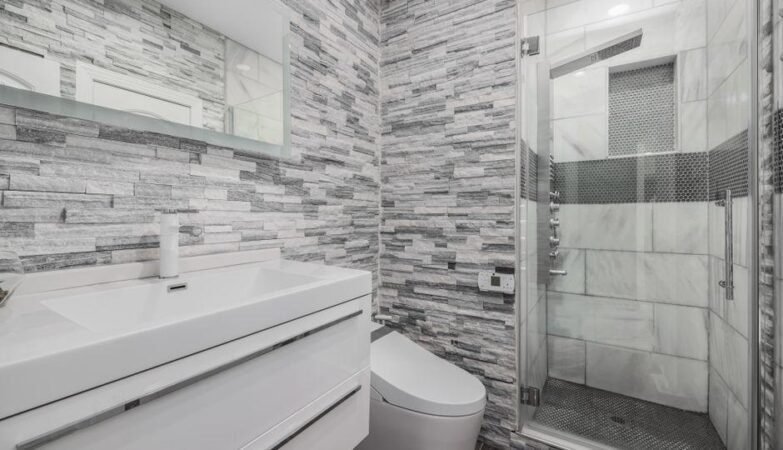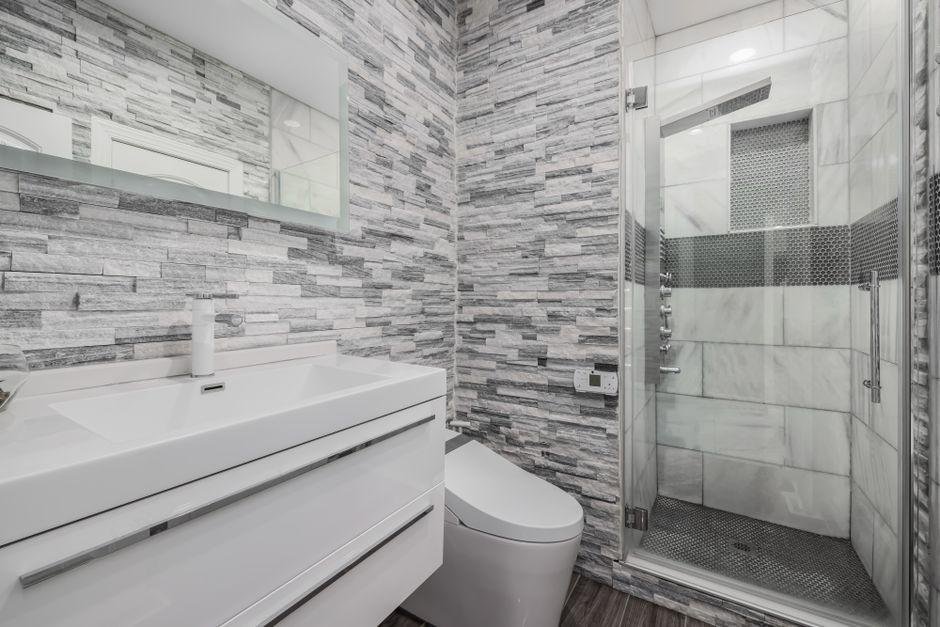
A bathroom remodel looks simple until you start pricing tile, comparing shower bases, and realizing how many decisions fit into one small room. If you live in Chesapeake, you also have to think about humidity, daily wear, and how your updates will hold up in a busy household. Before you choose finishes or call a contractor, it helps to know what actually matters, what tends to go wrong, and where your money has the best impact.
Start With How the Bathroom Actually Gets Used
Before you think about style, look at behavior. Your bathroom may serve as a fast morning pit stop, a shared family space, or the only easy-access wash area in the house. Those details affect nearly every remodel choice.
A teen sharing a hallway bath needs durable finishes and easy-to-clean surfaces. An older homeowner may need a low-threshold shower, slip-resistant flooring, and grab bar blocking behind the walls. A primary bathroom might benefit more from layout changes and storage upgrades than from luxury materials.
This is also the stage where many people notice workflow problems. Maybe the door swings into the vanity, or the shower feels cramped, or there’s never enough light at the mirror. Practical friction like that usually matters more day to day than a trendy faucet finish.
Know Which Materials Hold Up Best in Real Life
Bathrooms get hit with steam, splashes, cleaning products, and constant temperature shifts. Materials that look sharp in a showroom don’t always perform well under daily pressure.
Porcelain tile remains popular because it’s dense, moisture-resistant, and available in many price points. Acrylic and composite shower systems have also gained ground because they install faster, clean easily, and reduce grout maintenance. Quartz vanity tops tend to outperform more porous surfaces in busy homes.
Flooring deserves extra attention. Slip resistance matters as much as color. Large-format tile can look clean and modern, but the finish and grout layout affect traction. Paint matters too. A bathroom-grade formula with mildew resistance handles moisture better than standard interior paint.
If you’re comparing options for Chesapeake bath renovations, ask how each material handles maintenance over five to ten years, not just how it photographs on installation day.
Set a Budget Around Scope, Not Guesswork
Bathroom remodel budgets often go off track because homeowners start with a number instead of a scope. A cosmetic refresh costs far less than a full gut job that moves plumbing, replaces subflooring, and upgrades ventilation.
A smart budget usually separates visible upgrades from hidden systems. New wall panels, vanities, and fixtures are easy to notice. New plumbing valves, waterproofing membranes, and exhaust fans are less exciting, yet they protect the room from leaks and mold.
You should also keep a contingency buffer, especially in older homes. Once demolition starts, contractors may find water damage, outdated wiring, or framing issues. In a humid coastal Virginia climate, bathrooms can hide more wear than expected behind tile and drywall.
If your budget is tight, prioritize long-term performance first, then aesthetics. Waterproofing and ventilation beat decorative extras every time.
Ventilation and Waterproofing Deserve More Attention
A lot of remodel disappointment starts behind the finished surfaces. A bathroom can look brand new and still fail early if the ventilation is weak or the waterproofing is inconsistent.
An undersized exhaust fan leaves moisture hanging in the room, which can damage paint, swell trim, and feed mildew. The fan should match the room’s size and vent properly to the exterior, not into an attic or crawlspace. Timer switches are worth considering because they keep air moving after showers when people forget to turn the fan on.
Waterproofing in shower areas should never be treated as optional. That includes seams, corners, niches, and transitions between wall and floor assemblies. If your remodel includes a tub-to-shower conversion, this step becomes even more critical.
You may never see these components again after installation, but they often determine whether the remodel still performs well years later.
Layout Changes Can Improve the Room More Than Fancy Finishes
A remodel doesn’t always need more square footage. Sometimes it needs a smarter floor plan. Small adjustments can make a cramped bathroom feel easier to use without adding on to the house.
Swapping a bulky tub for a walk-in shower can free visual space and improve accessibility. A floating vanity can make the room feel less crowded while opening floor area below. Recessed shelving, mirrored medicine cabinets, and better drawer organization solve storage issues without stealing circulation space.
Lighting should be part of the layout conversation too. Overhead lighting alone creates shadows that make shaving, makeup, and grooming harder. Layered lighting, especially vertical vanity lighting, improves function immediately.
Think about door swing, outlet placement, towel storage, and clearances around the toilet and vanity. Those details shape how the room works every single day, even though they rarely show up in social media inspiration photos.
Pick a Contractor by Process, Not Just Price
The cheapest quote can become the most expensive outcome if the planning is vague or the workmanship is rushed. A good contractor should explain the process clearly, define what is included, and identify who handles demolition, plumbing, waterproofing, finish work, and cleanup.
Ask detailed questions. How long will the project take? What happens if hidden damage appears? Which products are standard, and which count as upgrades? Will permits be needed? Who is your point of contact once the job starts?
You should also review past work with a practical eye. Look beyond staged photos and check whether the contractor’s portfolio shows clean transitions, consistent alignment, and thoughtful fixture placement. Online reviews can help, but patterns matter more than one perfect rating.
Clear communication often predicts a smoother remodel more accurately than a polished sales pitch.
Think About Resale, But Don’t Build for a Future Stranger
It makes sense to consider market appeal, especially if you may sell within a few years. Buyers notice bathrooms quickly, and worn-out showers, dated vanities, and poor lighting can drag down the impression of the entire house.
Still, resale thinking has limits. If you live in the home now, the remodel should serve your routine first. Neutral finishes often age well and appeal broadly, but they don’t need to feel bland. A warm white wall, matte black hardware, wood-tone vanity, and simple tile can feel current without becoming a time capsule.
Universal design features also support both comfort and value. Curbless showers, wider entries, handheld showerheads, and sturdy lighting plans work for many age groups and mobility levels.
The best remodels usually land in a middle zone: functional enough for everyday life, polished enough to support resale, and durable enough that you won’t need to redo the room too soon.
Plan for the Remodel Experience, Not Just the Finished Room
Even a well-run bathroom remodel disrupts your routine. Water shutoffs, noise, dust, scheduling delays, and material lead times can make the process feel longer than expected. If the bathroom being renovated is your only full bath, planning becomes even more important.
Order materials early when possible, especially specialty fixtures, custom vanities, or glass enclosures. Confirm measurements before final purchases. Keep a written list of selected products, finish names, and model numbers so substitutions don’t creep in late.
You should also discuss site protection, debris removal, work hours, and daily cleanup before the project begins. Those logistics affect stress levels more than most homeowners expect.
A successful remodel isn’t only about the reveal at the end. It’s also about fewer surprises, smarter decisions, and a finished bathroom that works better than the one you started with.