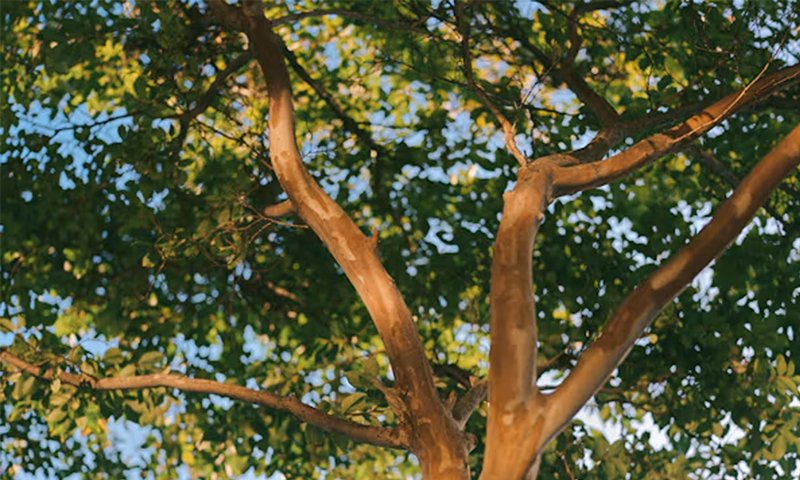
Trees are an important part of residential and commercial landscapes because they provide shade, improve outdoor appearance, support local ecosystems, and contribute to a healthier environment. However, maintaining trees requires more than occasional watering or removing fallen branches. Trees need regular attention to remain healthy, structurally sound, and suitable for their surroundings. Without proper maintenance, overgrown branches, damaged limbs, diseased trunks, and unstable root systems can create problems for homeowners and property managers. Professional tree care helps address these concerns while preserving the natural beauty and long-term health of outdoor spaces.
Whether a property contains a few decorative trees or an extensive landscape with mature vegetation, proper maintenance is essential for preventing avoidable damage and supporting healthy growth. Different trees have different requirements depending on their species, age, condition, location, and surrounding environment. Some may need occasional pruning, while others require more detailed inspections, disease management, or removal when they become unsafe. Professional tree service providers have the knowledge, equipment, and experience needed to evaluate these conditions and recommend appropriate solutions. Understanding the importance of tree maintenance can help property owners make informed decisions and create safer, more attractive outdoor environments.
Understanding the Importance of Professional Tree Care
Trees are living structures that change throughout the year as they grow, develop new branches, respond to environmental conditions, and experience seasonal stress. Although many trees can survive with minimal intervention, others require regular maintenance to remain healthy and structurally stable. Poorly maintained trees may develop overcrowded branches, damaged limbs, weak connections, or signs of disease that affect their overall condition. Regular professional assessments help identify these concerns before they become more serious.
One of the most important reasons to maintain trees is safety. Large branches extending over roofs, driveways, walkways, and outdoor seating areas can become hazardous when they are damaged or weakened. Heavy rainfall, strong winds, and other environmental conditions may increase the possibility of branches breaking or entire trees becoming unstable. Professional tree specialists can evaluate structural conditions and recommend appropriate pruning, support, or removal when necessary. Their assessments help property owners understand potential risks and take suitable preventive action.
Tree maintenance also contributes to the visual appearance of a property. Overgrown vegetation can make outdoor spaces look untidy, block attractive views, and interfere with landscaping features. Proper pruning and shaping help maintain a balanced appearance while supporting healthy development. Well-maintained trees can complement gardens, lawns, patios, and architectural features, making outdoor areas more enjoyable for residents, visitors, and customers.
Tree Trimming and Pruning for Healthy Growth
Tree trimming and pruning are among the most common maintenance activities performed by professional arborists. Although these terms are sometimes used interchangeably, pruning generally refers to selectively removing branches to improve tree health, structure, and safety. Trimming may focus more on controlling growth and maintaining a particular appearance. Both practices can be valuable when performed correctly and at suitable times.
Removing dead, damaged, or diseased branches can help reduce unnecessary stress and improve the tree’s overall condition. Overcrowded branches may also require selective removal to improve airflow and allow sunlight to reach different parts of the canopy. However, excessive pruning can weaken a tree and interfere with its natural development. Professional specialists understand how much growth can be removed safely and which branches should remain to preserve the tree’s structure.
Timing is another important consideration. Different tree species respond differently to pruning, and seasonal conditions can influence recovery and growth. Some trees benefit from pruning during dormant periods, while others require different schedules based on flowering patterns, disease concerns, and environmental conditions. A qualified arborist can recommend an appropriate maintenance schedule rather than applying the same approach to every tree. Proper pruning supports healthy development while helping maintain an attractive and balanced canopy.
Tree Removal and When It Becomes Necessary
Although preserving healthy trees is generally beneficial, there are situations where removal may be the most appropriate option. A tree that has suffered extensive structural damage, developed severe disease, or become unstable may present an unacceptable safety concern. Trees growing too close to buildings, utility infrastructure, or other important structures may also require professional assessment to determine whether they can be retained safely.
The decision to remove a tree should never be based only on its appearance. Some trees may look unhealthy while still having the potential to recover through appropriate care. Others may contain hidden structural problems that are not obvious from the ground. Professional arborists can evaluate the trunk, branches, root system, surrounding conditions, and signs of decay before recommending removal. This assessment helps property owners avoid unnecessary cutting while addressing genuine safety concerns.
Tree removal is a complex activity that requires specialized equipment, experience, and careful planning. The size of the tree, its position, nearby buildings, overhead obstacles, and access limitations can all affect the removal process. Professionals determine suitable methods based on these conditions and establish appropriate safety measures before beginning work. Hiring experienced specialists reduces the possibility of accidental property damage and ensures that removal is handled responsibly.
Stump Grinding and Complete Stump Removal
After a tree has been removed, the remaining stump can create several practical and visual problems. Tree stumps may interfere with lawn maintenance, occupy valuable outdoor space, attract unwanted insects, and become obstacles for people walking through the property. In some situations, old stumps may also produce new shoots or gradually decay, creating an untidy appearance in gardens and landscaped areas.
Stump grinding is a commonly used method for reducing the remaining stump to smaller wood chips. Specialized equipment grinds the visible portion of the stump below the surrounding ground level, allowing the area to be covered with soil or incorporated into future landscaping. The exact depth required depends on the intended use of the space. For example, an area that will be replanted may require different preparation from one that will become part of a lawn or pathway.
Complete stump removal may involve additional work because the root system can extend beyond the visible stump. The appropriate approach depends on the tree species, root structure, soil conditions, and property requirements. Professional advice can help determine whether grinding is sufficient or whether more extensive removal is necessary. Once the work is complete, the area can be prepared for new grass, decorative plants, garden beds, or other outdoor improvements.
Emergency Tree Services and Storm Damage Management
Severe weather can cause unexpected damage to trees, creating dangerous conditions for homes, businesses, and public spaces. Strong winds, heavy rainfall, lightning, and other environmental events may break branches, split trunks, or cause trees to fall. Damaged trees can block driveways, damage fences, interfere with access routes, and create hazards near buildings and electrical infrastructure. In these situations, prompt professional attention is important.
Emergency tree specialists assess the condition of damaged trees and identify immediate safety concerns. A fallen tree may appear stable while remaining under tension, and broken branches can shift unexpectedly during removal. These conditions make storm-damaged tree work particularly hazardous for inexperienced individuals. Professional crews use suitable equipment and established procedures to manage unstable materials and reduce the risk of further damage.
Property owners should avoid approaching severely damaged trees, especially when branches are suspended or electrical wires may be involved. If a tree has contacted power lines, the area should be kept clear and the appropriate utility or emergency service should be contacted. Tree specialists can coordinate necessary work once the situation is safe. Having an emergency response plan and maintaining trees regularly can help reduce the impact of unexpected weather events.
Understanding Common Tree Diseases and Pest Problems
Trees can experience several health problems caused by fungi, bacteria, insects, environmental stress, and unsuitable growing conditions. Some diseases affect leaves and branches, while others damage the trunk or root system. Early symptoms may include unusual leaf discoloration, premature leaf drop, dead branches, fungal growth, cracks, or changes in normal growth patterns. Identifying these symptoms early can help prevent certain problems from spreading or becoming more difficult to manage.
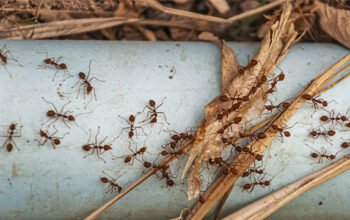
Insect infestations are another common concern. Some pests feed on leaves, while others damage bark, wood, or root systems. Depending on the species, their activity may result in holes, sawdust-like material, weakened branches, or visible changes in foliage. Not every insect found on a tree is harmful, so accurate identification is essential before treatment begins. Applying unsuitable pesticides can damage beneficial organisms and may not solve the underlying problem.
Professional arborists can examine affected trees, identify likely causes, and recommend appropriate management methods. Treatments may include selective pruning, improving growing conditions, targeted pest management, or other measures based on the diagnosis. Maintaining healthy soil, providing suitable water, and avoiding unnecessary injuries to the trunk can also help trees resist certain forms of stress. Regular monitoring is especially valuable when a property contains mature or valuable trees.
The Importance of Proper Tree Planting
Planting trees is an excellent way to improve outdoor spaces, introduce shade, and support local wildlife. However, successful planting requires careful consideration of tree species, soil conditions, available space, and future growth. A tree that looks suitable when small may eventually become too large for its surroundings. Its mature height, canopy width, root development, and environmental requirements should all be considered before planting.
Soil quality plays an important role in successful tree establishment. Different species prefer different soil conditions, including variations in drainage, moisture retention, and nutrient availability. Poor drainage may cause root problems, while compacted soil can limit healthy root development. Professional planting advice can help property owners select suitable trees and prepare planting areas appropriately.
The location of a new tree is equally important. Trees should be planted with sufficient distance from buildings, underground services, pathways, fences, and overhead infrastructure. Proper spacing allows the canopy and root system to develop without creating unnecessary conflicts as the tree matures. Choosing appropriate species and planting locations can reduce future maintenance requirements and help create a more sustainable landscape.
Tree Health Assessments and Regular Inspections
Regular tree inspections help property owners understand the condition of their trees and identify potential concerns before visible damage becomes extensive. An assessment may involve examining the trunk, canopy, major branches, root area, and surrounding soil. Arborists look for signs such as cracks, cavities, decay, unusual leaning, deadwood, fungal growth, and changes in foliage. The findings can help determine whether a tree requires maintenance, monitoring, treatment, or further investigation.
Mature trees deserve particular attention because they may have developed hidden structural weaknesses over many years. Environmental changes, construction activities, soil disturbance, and repeated weather exposure can affect their stability. Even apparently healthy trees may contain damaged internal structures that require specialist assessment. Regular inspections are especially valuable for trees located near buildings, parking areas, pedestrian routes, and frequently used outdoor spaces.
A documented maintenance plan can make long-term tree care easier to manage. Property owners can record inspection dates, observed problems, completed work, and future recommendations. This information helps identify recurring concerns and allows maintenance to be scheduled according to actual tree conditions. A planned approach is generally more effective than waiting until a visible problem requires urgent attention.
Improving Property Appearance Through Landscape Management
Trees are important landscape features because they provide natural structure, height, texture, and seasonal interest. Their appearance can influence the overall character of a garden, commercial property, or residential outdoor space. However, poorly maintained vegetation may make a landscape look crowded or unbalanced. Appropriate tree care helps maintain visual harmony while allowing surrounding plants and landscaping features to receive sufficient space and light.
Canopy management is one way to improve the appearance and functionality of outdoor areas. Selective pruning can help maintain appropriate branch clearance, preserve attractive shapes, and reduce interference with walkways or structures. Removing dead or damaged growth can also improve the overall appearance of mature trees. However, shaping should always respect the natural growth characteristics of the species rather than forcing an unnatural form.
Tree care can also complement other landscaping activities, including lawn maintenance, garden design, hedge trimming, and planting. Property owners may choose to improve outdoor spaces by combining tree maintenance with new garden beds, seating areas, pathways, or decorative features. Coordinating these improvements can create a more attractive and functional landscape while helping maintain healthy vegetation.
Safe Tree Care Practices and Professional Equipment
Tree maintenance often involves working at significant heights, handling heavy branches, and operating specialized machinery. These activities can expose workers and nearby property occupants to serious hazards if proper precautions are not followed. Professional tree care companies use suitable equipment, trained personnel, and established safety procedures to manage these risks. Their preparation may include assessing the work area, identifying overhead obstacles, checking access routes, and determining appropriate equipment requirements.
Common equipment used in professional tree care may include climbing systems, elevated work platforms, chainsaws, wood chippers, stump grinders, and lifting equipment. Each tool requires suitable training and maintenance. Workers should also use appropriate protective equipment, including helmets, eye protection, hearing protection, gloves, and other safety gear relevant to the task. The equipment and methods selected should reflect the size, condition, and location of the tree.
Property owners should avoid attempting hazardous tree work without suitable training. Cutting large branches, climbing unstable trees, or using heavy equipment without experience can lead to severe injuries and property damage. Hiring an insured and appropriately qualified company helps ensure that the work is managed responsibly. Before beginning a project, homeowners should also confirm how the contractor will protect nearby structures, landscaping, vehicles, and outdoor features.
Environmental Benefits of Responsible Tree Maintenance
Trees provide several environmental benefits that make their preservation important. They absorb carbon dioxide, provide habitat for birds and other wildlife, help manage stormwater, and contribute to local biodiversity. Their shade can also make outdoor spaces more comfortable and reduce the amount of direct sunlight reaching buildings and paved areas. Maintaining healthy trees helps preserve these benefits while supporting attractive and functional landscapes.
Responsible tree management focuses on preserving healthy vegetation whenever practical. Removing trees unnecessarily can reduce shade, habitat, and other environmental benefits. Professional assessments help determine whether a tree can be maintained safely through pruning, treatment, or other interventions. When removal is necessary, property owners may consider suitable replacement planting to maintain landscape value over time.
Tree waste management is another important consideration. Branches, leaves, and wood produced during maintenance can sometimes be processed into mulch, composting materials, or other useful products, depending on their condition and local requirements. Reusing suitable organic materials can reduce waste and support landscape maintenance. However, diseased or pest-infested material may require special handling to prevent further spread.
Choosing a Reliable Tree Service Company
Selecting a professional tree care provider is essential because tree work often involves safety risks, technical knowledge, and specialized equipment. Property owners should look for companies with relevant experience, trained personnel, appropriate insurance, and a clear understanding of professional tree care practices. Membership in recognized arboricultural organizations or relevant professional certifications may provide additional information about a contractor’s qualifications, although requirements vary.
Before hiring a company, it is useful to request a detailed inspection and written estimate. The proposal should explain the recommended work, expected schedule, equipment requirements, cleanup arrangements, and any additional costs. If removal is suggested, homeowners should ask why it is necessary and whether alternative maintenance options are available. A responsible provider should explain the condition of the tree and provide recommendations based on its actual needs.
Communication is another important factor. Contractors should be willing to answer questions, discuss safety precautions, and explain how they will protect surrounding property. Homeowners should also clarify whether debris removal, stump grinding, and final site cleanup are included in the quoted price. Comparing detailed proposals rather than simply selecting the cheapest option can help property owners find a dependable provider and avoid misunderstandings.
Understanding the Cost of Professional Tree Care
The cost of tree maintenance depends on several factors, including tree size, species, condition, location, accessibility, and the type of service required. Basic pruning may involve relatively straightforward work, while removing a large tree near a building can require additional labor, specialist equipment, and more extensive safety arrangements. Stump grinding, debris removal, disease treatment, and emergency response may also influence the overall cost.
Accessibility can have a significant impact on project pricing. Trees located in open gardens may be easier to maintain than those positioned between buildings, close to power lines, or above structures. Restricted access may require specialized equipment or additional workers to complete the job safely. Similarly, damaged trees may involve greater complexity because unstable branches and split trunks require careful handling.
Property owners should request clear estimates that explain the services being provided. A professional quotation should identify whether cleanup, wood removal, stump treatment, and additional work are included. It is also helpful to ask about insurance and any relevant permits or permissions that may be required. Understanding the full scope of the project allows homeowners to plan their budgets and compare service providers more effectively.
Conclusion
Professional tree service maintenance is essential for preserving healthy vegetation, protecting property, and creating attractive outdoor environments. From pruning and disease management to tree removal, stump grinding, and emergency storm response, different situations require appropriate care and professional expertise. Regular inspections can help identify potential hazards, while responsible maintenance supports healthy growth and preserves the environmental benefits that trees provide.
Property owners should avoid treating tree care as an occasional task that only becomes important when problems appear. Developing a consistent maintenance plan, selecting suitable planting locations, and working with qualified specialists can help prevent unnecessary damage and reduce long-term costs. A dependable tree service provider can assess individual tree conditions, recommend suitable solutions, and complete necessary work with attention to safety and quality. Ultimately, investing in proper tree care helps maintain a safer property, a healthier landscape, and a more enjoyable outdoor environment.