Understanding the Importance of a Proper Cooling System
A comfortable indoor environment depends on a cooling system that can maintain consistent temperatures, manage humidity, and provide dependable performance throughout the year. An air conditioner is an important part of modern residential comfort because it helps create a pleasant atmosphere while supporting better indoor air quality and everyday convenience. However, purchasing a quality air conditioning unit is only one part of creating an efficient cooling environment. The installation process plays an equally important role in determining how well the equipment performs, how much energy it consumes, and how long it continues operating effectively. Homeowners who invest in professional AC installation can benefit from a system that is properly selected, carefully positioned, and configured according to the specific requirements of their property. A well-planned installation also helps prevent common performance issues, reduces unnecessary strain on important components, and provides a reliable foundation for long-term cooling efficiency.
Choosing the Right Air Conditioner for Your Home
Selecting an appropriate air conditioning system requires careful consideration of several factors, including the size of the property, room layout, insulation quality, ceiling height, window placement, and household cooling requirements. Different homes have different heating and cooling demands, which means a unit that works effectively in one property may not provide the same results in another. An undersized air conditioner may struggle to maintain comfortable temperatures, particularly during periods of increased cooling demand, while an oversized system may cool the space too quickly without removing sufficient humidity. Both situations can negatively affect comfort and operating efficiency. Professional HVAC technicians evaluate the property’s cooling requirements before recommending suitable equipment, helping homeowners avoid purchasing a system that does not match their needs. Choosing the correct equipment from the beginning supports balanced airflow, consistent temperature control, and dependable operation.
The Value of Professional Installation Services
The quality of installation has a direct influence on the performance and reliability of an air conditioning system. Even advanced equipment can experience unnecessary problems when important installation requirements are overlooked or completed incorrectly. Professional technicians understand how electrical connections, refrigerant lines, drainage systems, airflow requirements, and equipment positioning work together to support proper cooling operation. Their experience allows them to identify potential installation challenges and address them before they develop into expensive problems. Professional installation also helps ensure that the equipment follows manufacturer specifications and applicable safety requirements. Instead of relying on assumptions or attempting complicated installation work without the necessary experience, homeowners can benefit from trained professionals who understand the technical requirements of modern HVAC equipment. This attention to detail helps establish a dependable cooling system that can deliver consistent performance.
Evaluating Existing HVAC Equipment
Before installing new cooling equipment, it is important to evaluate the condition of any existing HVAC components that may remain part of the system. Older ductwork, outdated electrical connections, damaged drainage lines, and insufficient insulation can interfere with the performance of newly installed equipment. A professional assessment helps determine whether existing components can support the new system or whether certain improvements are necessary. For example, damaged ducts may allow conditioned air to escape before reaching living spaces, reducing cooling efficiency and creating uneven temperatures throughout the property. Similarly, electrical components that are not suitable for the new equipment can create operational and safety concerns. Reviewing these details before beginning the installation process allows technicians to develop a more effective plan and helps homeowners understand which improvements may be beneficial for their overall HVAC performance.
Proper System Sizing and Cooling Capacity
System sizing is one of the most important considerations when planning a new cooling installation. Air conditioning equipment is available in different capacities, and selecting the correct size requires more than simply estimating the square footage of a property. Technicians may evaluate insulation levels, building orientation, window efficiency, occupancy, air leakage, and other factors that influence indoor temperatures. These details help determine how much cooling capacity is necessary to maintain a comfortable environment without placing excessive demands on the equipment. An appropriately sized system can operate more consistently, manage humidity more effectively, and provide better temperature control across different rooms. Proper sizing also reduces the likelihood of frequent cycling, which can place unnecessary stress on system components. Taking the time to evaluate cooling requirements before selecting equipment helps homeowners make a more informed investment.
Understanding Energy Efficiency and Operating Costs
Energy efficiency is an important consideration for homeowners who want reliable cooling without unnecessary increases in electricity consumption. Modern air conditioning systems are designed with different efficiency ratings and technological features that influence their overall energy performance. Selecting equipment with an appropriate efficiency rating can help reduce operating expenses while maintaining comfortable indoor temperatures. However, the efficiency of the equipment alone does not determine actual energy consumption. Installation quality, ductwork condition, airflow balance, thermostat settings, and regular maintenance also contribute to overall performance. Even a highly efficient unit may consume more energy than expected when it is installed incorrectly or connected to an unsuitable distribution system. Professional AC installation helps ensure that important components are configured correctly so the equipment can operate according to its intended specifications. Homeowners should also consider long-term operating expenses when comparing different systems rather than focusing exclusively on the initial purchase price.
Preparing the Property for a New Cooling System
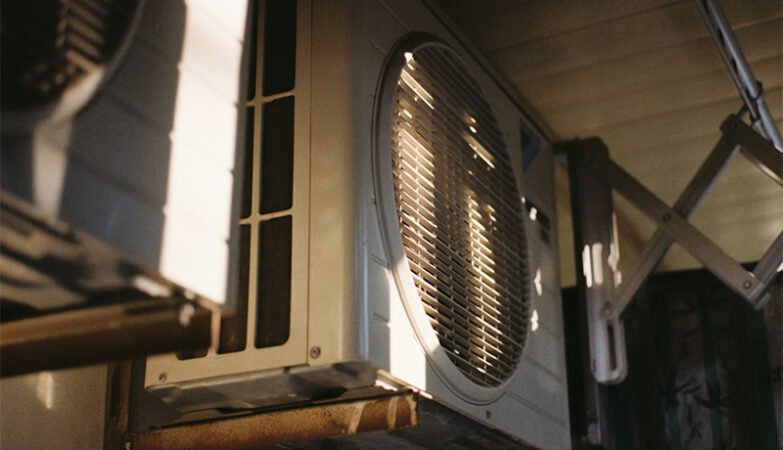
Proper preparation helps create a smoother installation process and reduces the possibility of unexpected complications. Before work begins, technicians generally review the installation area, inspect available electrical connections, examine existing ductwork when applicable, and determine the most suitable location for indoor and outdoor equipment. The installation area should provide sufficient clearance for airflow, servicing, and future maintenance. Outdoor units require a stable surface and appropriate space around the equipment to support heat transfer and prevent airflow restrictions. Indoor components must also be positioned carefully to distribute conditioned air effectively throughout the intended areas. In addition, technicians may identify obstacles such as damaged mounting surfaces, drainage concerns, or outdated system connections that require attention. Addressing these requirements before installation begins helps improve efficiency, protects the equipment, and makes the entire process more organized.
The Importance of Correct Airflow and Ductwork
Airflow is essential for achieving consistent cooling throughout a property. An air conditioning system must move the correct amount of conditioned air through its distribution network to maintain comfortable temperatures in different rooms. When ductwork is damaged, poorly designed, or improperly connected, some areas may receive insufficient airflow while others become unnecessarily cold. These problems can make the system work harder and may contribute to higher energy consumption. Professional technicians inspect duct connections, evaluate airflow requirements, and identify restrictions that could interfere with cooling performance. They may recommend sealing leaks, improving insulation, adjusting vents, or addressing other ductwork concerns when necessary. Proper airflow also supports better temperature distribution and helps prevent excessive strain on the blower motor and other important components. A properly designed and maintained air distribution system allows cooling equipment to deliver more dependable results.
Refrigerant Lines and Electrical Connections
Refrigerant lines and electrical connections are essential parts of an air conditioning installation because they allow the equipment to transfer heat and operate safely. Refrigerant circulates through the cooling system, absorbing heat from indoor air and releasing it outside through the outdoor unit. Incorrect refrigerant line installation, unsuitable connections, or improper system charging can interfere with this process and reduce cooling performance. Electrical connections also require careful attention because modern air conditioning equipment depends on correctly configured wiring, disconnects, circuit protection, and other electrical components. Installation mistakes in these areas may cause equipment malfunctions or create potential safety hazards. Qualified HVAC professionals follow the appropriate technical requirements when connecting and testing these components. Their attention to detail helps ensure that the equipment operates reliably and that critical system connections are completed correctly.
Smart Thermostats and Modern Temperature Control
Modern thermostat technology gives homeowners greater control over indoor comfort and energy consumption. Traditional thermostats provide basic temperature adjustments, while programmable and smart models offer additional features that can improve convenience and cooling management. Smart thermostats may allow users to create schedules, adjust settings remotely, monitor indoor temperatures, and review energy usage through connected applications. Some models can also learn household preferences and automatically adjust cooling schedules based on established routines. However, thermostat compatibility and correct configuration are important for achieving the intended benefits. A thermostat that is improperly positioned or programmed may produce inaccurate temperature readings and cause the air conditioning system to operate unnecessarily. Professional technicians can help determine whether an existing thermostat is compatible with new equipment or whether an upgrade would provide additional value. Proper temperature control makes it easier to maintain a comfortable indoor environment while managing daily energy use.
Indoor Air Quality and Humidity Management
An effective cooling system contributes to indoor comfort by helping regulate temperature and manage moisture levels. Excessive indoor humidity can make rooms feel warmer than they actually are, create uncomfortable conditions, and contribute to problems associated with moisture accumulation. Air conditioning systems remove some moisture from indoor air during normal cooling operation, but their ability to manage humidity depends on correct equipment sizing, airflow, and operating conditions. Homeowners should also understand that cooling equipment works alongside other indoor air quality components rather than replacing them entirely. Air filters, ventilation systems, duct cleanliness, and appropriate humidity control all contribute to a healthier and more comfortable indoor environment. During installation planning, HVAC professionals can discuss equipment features and additional solutions that may support household air quality requirements. Considering these factors helps create a more complete indoor comfort system.
Common Installation Mistakes Homeowners Should Avoid
Several installation mistakes can reduce the efficiency and reliability of air conditioning equipment. Choosing an incorrectly sized unit, placing outdoor equipment in an unsuitable area, overlooking ductwork problems, and failing to verify refrigerant requirements are among the issues that can affect system performance. Poor drainage arrangements may also cause water-related problems, while inadequate electrical connections can interfere with safe operation. Another common mistake is assuming that all air conditioning systems can be installed using the same approach. Different equipment types have different technical requirements, and manufacturers provide specific instructions that must be followed during installation. Homeowners should avoid making decisions based exclusively on the lowest installation price because incomplete work may lead to additional expenses later. Working with experienced HVAC professionals helps reduce these risks and ensures that important installation details receive the attention they require.
Testing the System After Installation
Completing the physical installation does not mean the process is finished. A professional technician should perform a series of operational checks to verify that the equipment is functioning correctly and delivering the expected cooling performance. These checks may include evaluating thermostat operation, measuring airflow, inspecting refrigerant conditions, testing electrical connections, checking condensate drainage, and confirming that indoor and outdoor components communicate properly. Technicians may also examine the system for unusual noises, vibrations, or other signs that indicate an installation issue. Testing helps identify problems while the installation work is still being completed, making it easier to correct them before regular use begins. Homeowners should also receive basic information about operating the equipment, replacing air filters, adjusting thermostat settings, and recognizing potential warning signs. A thorough final inspection provides greater confidence that the new cooling system is ready for everyday operation.
Why Regular Maintenance Matters After Installation
Regular maintenance is necessary to protect the performance and longevity of an air conditioning system. Even newly installed equipment requires routine attention to remain efficient and dependable. Air filters should be inspected and replaced according to manufacturer recommendations because dirty filters can restrict airflow and increase the workload placed on the system. Outdoor units should remain free from excessive debris, while condensate drains and other components should be checked periodically to prevent avoidable problems. Professional maintenance may include inspecting electrical connections, evaluating refrigerant performance, cleaning appropriate components, and checking overall system operation. Scheduling routine service can help identify minor concerns before they become more expensive repairs. Maintenance also provides an opportunity to evaluate changing household cooling requirements and make adjustments when necessary. Taking care of the equipment after installation helps homeowners protect their investment and maintain comfortable indoor conditions.
Recognizing When an Air Conditioner Needs Replacement
Older air conditioning systems may eventually become less efficient, less reliable, and more expensive to maintain. Frequent repair requirements, inconsistent cooling, unusual operating noises, rising electricity expenses, and difficulty maintaining comfortable temperatures can indicate that existing equipment is approaching the end of its useful service life. Although individual problems do not always mean replacement is necessary, repeated failures may suggest that continuing to repair the system is no longer the most practical option. Homeowners should compare the expected cost of future repairs with the benefits of installing newer equipment. Modern systems may offer improved energy efficiency, better temperature management, quieter operation, and more advanced controls. A professional HVAC assessment can help determine whether replacement is appropriate and identify equipment options that meet the property’s cooling requirements. Making this decision carefully can prevent ongoing inconvenience and provide a more dependable long-term solution.
Selecting a Reliable HVAC Service Provider
Choosing the right HVAC company is an important part of achieving successful cooling system installation. Homeowners should look for professionals who have relevant experience, understand different air conditioning technologies, and follow appropriate installation procedures. A dependable service provider should evaluate the property before recommending equipment instead of suggesting a standard solution without considering individual requirements. Clear communication is also important because homeowners need to understand the available options, expected installation work, equipment specifications, and any additional improvements that may be necessary. Professional technicians should be willing to explain their recommendations and answer questions about system operation, efficiency, and maintenance. Method Air Utah provides HVAC-related services that homeowners can consider when planning improvements to their heating and cooling systems. Working with a knowledgeable service provider helps ensure that equipment selection and installation decisions are based on practical requirements rather than assumptions.
Long-Term Benefits of Investing in Quality Installation
Investing in professional cooling services provides benefits that extend beyond the initial installation process. A correctly selected and properly installed system can support consistent indoor temperatures, improve energy management, and reduce unnecessary operating stress. Homeowners may also experience greater comfort because the equipment is configured to meet the property’s actual cooling demands. Proper installation can help protect important components, reduce the likelihood of avoidable performance issues, and establish a suitable foundation for regular maintenance. These advantages become particularly important over time because the long-term value of an air conditioning system depends on its performance throughout its service life. Although installation quality may not always be visible after the equipment is in place, it has a significant influence on reliability and efficiency. Choosing professional services from the beginning can help homeowners avoid preventable complications and enjoy a more comfortable indoor environment.
Conclusion
A dependable cooling system is an important investment in household comfort, energy efficiency, and everyday convenience. Achieving the best results requires more than purchasing modern equipment because proper system sizing, careful preparation, correct electrical and refrigerant connections, balanced airflow, and thorough performance testing all contribute to successful operation. Homeowners should also consider indoor air quality, thermostat compatibility, ductwork condition, and future maintenance when planning a new cooling system. Professional AC installation helps bring these important elements together while reducing the risk of common installation mistakes. By choosing suitable equipment and working with experienced HVAC professionals, homeowners can establish a cooling solution that supports reliable performance and long-term value. Careful planning and regular maintenance make it easier to protect the investment while enjoying consistent indoor comfort throughout the cooling season.