Understanding the Importance of a Reliable Boiler
A dependable heating system is essential for maintaining a comfortable indoor environment, particularly during colder months when consistent warmth becomes a daily necessity. Boilers play an important role in residential and light commercial heating by warming water and distributing heat through radiators, baseboard units, radiant floor systems, or other connected equipment. Unlike forced-air systems, boilers use heated water to transfer warmth throughout a building, providing steady temperatures and comfortable heat distribution. However, even a well-designed heating system can experience operational problems as components age, parts become worn, and normal usage places stress on its mechanical and electrical systems. Regular inspections and timely professional attention help keep the equipment operating safely while reducing the possibility of unexpected breakdowns. Understanding how the system works, recognizing early warning signs, and arranging qualified boiler repair when problems develop can help property owners protect their heating investment and maintain dependable indoor comfort.
Recognizing Early Signs of Heating Problems
Heating equipment often provides warning signs before a major failure occurs, but these symptoms can be easy to overlook when the system continues producing some heat. A boiler that takes longer than usual to warm the property, struggles to maintain the thermostat setting, or creates noticeable temperature differences between rooms may have an underlying mechanical or circulation problem. Unusual sounds, including banging, knocking, whistling, humming, or gurgling, can also indicate that the equipment needs professional inspection. These noises may be associated with trapped air, mineral deposits, restricted water movement, pressure irregularities, or worn components. Water appearing around the boiler, visible corrosion, repeated pressure changes, and frequent system shutdowns are additional warning signs that should never be ignored. Addressing these symptoms early can prevent minor concerns from developing into more complicated failures that affect the entire heating system.
Why Professional Diagnosis Matters
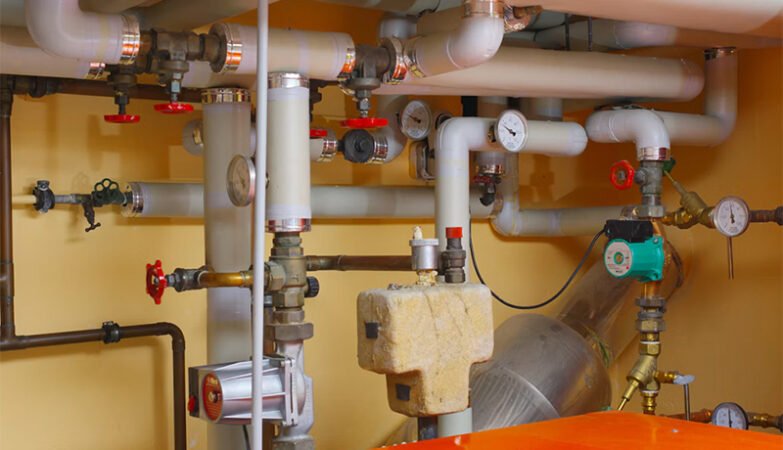
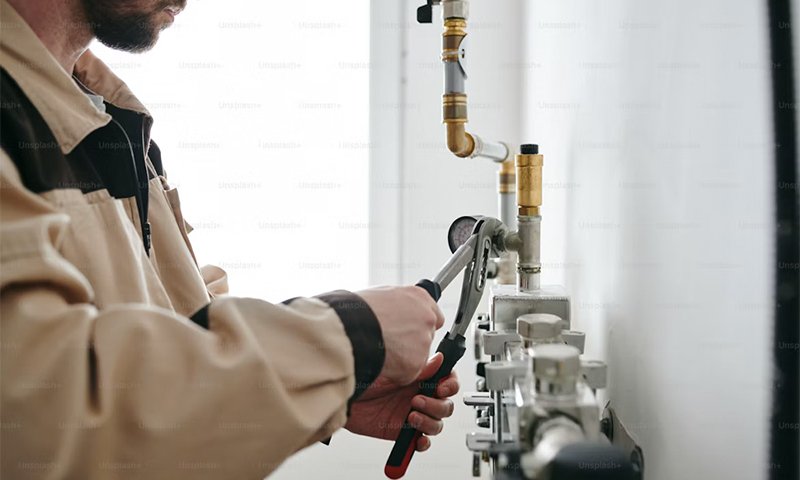
A boiler contains several interconnected components that must operate together to produce and distribute heat effectively. These may include burners, heat exchangers, pumps, expansion tanks, valves, thermostats, pressure controls, ignition equipment, electrical connections, and safety devices. When one component fails or operates outside its intended range, it can affect the performance of other parts of the system. For example, a circulation pump that cannot move water properly may cause uneven heating, while a faulty thermostat can prevent the boiler from responding accurately to indoor temperature changes. Replacing a component without identifying the actual source of the problem may provide only temporary improvement and allow the underlying issue to continue. Professional technicians use their training, diagnostic equipment, and knowledge of heating systems to investigate symptoms, test relevant components, and determine which repairs are appropriate. This careful approach supports more reliable results and helps property owners avoid unnecessary replacement costs.
Understanding Boiler Pressure and Water Circulation
Water pressure is an important factor in the operation of many hydronic heating systems because the equipment depends on appropriate pressure to circulate heated water through connected pipes and heating units. When pressure becomes too low, the boiler may struggle to distribute heat effectively or may stop operating as a protective measure. Excessively high pressure can also create problems by placing additional stress on valves, connections, and other system components. Pressure changes may be related to leaks, expansion tank problems, faulty pressure controls, or other mechanical conditions that require professional assessment. Circulation is equally important because heated water must travel through the system and return to the boiler for reheating. A damaged pump, blocked pipe, closed valve, or buildup inside the system can interfere with this process. A qualified technician can evaluate pressure readings, inspect circulation components, and determine whether the system needs adjustment, cleaning, or replacement of a damaged part.
The Role of the Heat Exchanger
The heat exchanger is one of the most important components inside a boiler because it transfers heat from the burner or heating source to the water circulating through the system. Over time, mineral deposits, corrosion, restricted flow, and normal operating stress can affect its performance. When heat transfer becomes less effective, the boiler may need to operate longer to produce the same level of warmth, potentially increasing fuel consumption and placing additional strain on the equipment. In some cases, unusual noises, overheating, inconsistent heating, or repeated shutdowns may be connected to heat exchanger problems. Because this component operates under demanding temperature and pressure conditions, inspection and repair should be handled by trained professionals. A technician can examine the equipment for visible damage, evaluate operating conditions, and determine whether cleaning, repair, or replacement is the most practical solution. Protecting the heat exchanger through proper maintenance can contribute to better efficiency and longer equipment life.
Addressing Burner and Ignition Issues
The burner and ignition system are responsible for initiating and maintaining the combustion process that produces heat. If the burner becomes dirty, an ignition component wears out, or a fuel supply issue develops, the boiler may fail to start or may operate inconsistently. Property owners might notice repeated ignition attempts, delayed heating, unusual odors, visible soot, or frequent shutdowns. These symptoms deserve immediate attention because combustion equipment must operate within carefully controlled conditions to maintain safe and dependable performance. Oil and propane boilers have different fuel delivery and combustion requirements, so the correct inspection procedures depend on the specific equipment installed. A trained technician can examine the burner assembly, ignition components, fuel connections, and relevant safety controls to identify the source of the issue. Homeowners should never attempt to adjust fuel valves, dismantle burner assemblies, or bypass safety devices themselves. Professional service helps ensure that repairs follow manufacturer requirements and applicable safety standards.
Preventing Leaks and Water Damage
Leaks are among the most noticeable problems that can affect a boiler system, and even a small amount of water around the equipment deserves attention. Leaks may develop at pipe connections, valves, pumps, expansion tanks, seals, or other points where components connect. In some situations, corrosion or material deterioration can weaken a section of piping and allow water to escape gradually. A persistent leak can reduce system pressure, interfere with circulation, damage nearby flooring or walls, and create conditions that encourage additional corrosion. It is important not to assume that tightening a visible connection will solve the problem because the actual source may be located elsewhere in the system. A professional inspection can help identify the origin of the leak and determine whether a fitting, valve, pipe section, or larger component requires attention. Prompt action protects the surrounding property while helping the heating equipment return to stable operation.
How Mineral Deposits Affect Boiler Performance
Water quality can have a significant influence on the long-term condition of a boiler. Depending on the water supply and system design, minerals and other impurities may gradually collect inside pipes, filters, heat exchangers, and connected components. This buildup can restrict water movement, reduce heat transfer, and make the equipment work harder to maintain the desired temperature. Mineral deposits may also contribute to unusual noises, uneven heating, and reduced overall efficiency. Systems that operate with untreated or unsuitable water may experience these problems more quickly, especially when water quality is not monitored over time. Professional technicians can evaluate the condition of the system and recommend appropriate filtration, cleaning, or water treatment measures when necessary. Maintaining suitable water quality is not simply about improving immediate performance; it also helps protect internal components from avoidable wear and supports more consistent heating over the long term.
Maintaining Pumps, Valves, and Expansion Tanks
A boiler depends on several supporting components to regulate water movement, manage pressure changes, and distribute heat throughout the property. Circulation pumps move heated water through the connected piping, while valves control flow and help direct water to different heating zones. Expansion tanks provide space for water to expand as its temperature increases, helping the system manage pressure changes during normal operation. If a pump becomes worn, a valve sticks, or an expansion tank loses its proper function, the entire heating system may become less reliable. Some problems appear as cold radiators, uneven room temperatures, pressure fluctuations, or repeated equipment shutdowns. Other issues may remain unnoticed until a component fails completely. During a professional inspection, technicians can examine these supporting parts, check their operation, and identify signs of wear before they cause larger disruptions. Keeping these components in suitable condition helps the boiler deliver heat more consistently.
Why Annual Boiler Maintenance Is Valuable
Preventive maintenance is an important part of protecting heating equipment because it gives technicians an opportunity to identify developing problems before they interrupt normal operation. An annual inspection generally includes reviewing the boiler’s overall condition, checking important controls, examining the burner and ignition system, evaluating pressure, and assessing water circulation. Depending on the equipment, maintenance may also involve cleaning filters, inspecting the heat exchanger, checking fuel connections, and reviewing the condition of pumps and valves. The exact service requirements vary according to the boiler model, fuel type, age, and manufacturer recommendations. Regular maintenance can help identify small issues such as loose connections, restricted filters, or early signs of corrosion before they become more expensive repairs. It also gives property owners a clearer understanding of their equipment’s condition and whether any components may need attention in the near future.
Improving Heating Efficiency Through Proper Care
An inefficient boiler can consume more fuel than necessary while delivering less consistent indoor comfort. Reduced efficiency may result from dirty burners, mineral buildup, poor circulation, incorrect system settings, deteriorating components, or an improperly maintained heat exchanger. When equipment has to operate longer to meet heating demand, fuel costs can increase and additional stress may be placed on the system. Improving efficiency begins with identifying the conditions that prevent the boiler from working as intended. Professional cleaning, component adjustments, circulation checks, and appropriate repairs can help restore performance when the equipment is otherwise in suitable condition. Property owners can also support efficient operation by using reasonable thermostat settings, keeping heating units unobstructed, and avoiding unnecessary changes to system controls. Efficiency improvements should focus on the actual needs and condition of the equipment rather than relying on adjustments that may not be suitable for its design.
Maintaining Consistent Heat Throughout the Property
Uneven heating can make an otherwise functional boiler system uncomfortable to use. One room may become warm quickly while another remains noticeably cold, even when both areas are connected to the same heating equipment. This problem can result from trapped air, restricted water flow, unbalanced heating zones, blocked valves, circulation issues, or problems with individual radiators and baseboard units. In properties with multiple heating zones, thermostat settings and zone controls also influence how warmth is distributed. A professional technician can inspect the system and identify whether the issue is related to the boiler itself or to the distribution equipment connected to it. Proper balancing and circulation adjustments can improve comfort without necessarily requiring major equipment replacement. Maintaining consistent heat distribution also helps the system respond more effectively to the heating demands of different rooms.
Understanding Thermostat and Control Problems
Modern boilers rely on thermostats and control systems to regulate when heating begins, how long the equipment operates, and how different areas of a property receive warmth. A thermostat that provides inaccurate readings may cause the boiler to run too frequently, stop too early, or fail to respond when additional heat is needed. Electrical connections, sensors, control boards, and zone components can also develop faults over time. Sometimes the problem is relatively simple, such as an incorrect thermostat setting or a weak battery in a compatible device. In other situations, the issue may involve wiring, a damaged sensor, or a malfunctioning control component. Checking basic settings can help identify simple user-related problems, but internal electrical testing should be left to qualified professionals. Correctly functioning controls support comfortable indoor temperatures, reduce unnecessary operation, and help the heating system work according to its intended design.
When Repeated Repairs Indicate a Larger Problem
Occasional repairs are a normal part of owning mechanical equipment, but frequent breakdowns may indicate that a boiler is approaching the end of its useful service life or has an underlying problem that has not been properly resolved. If the system repeatedly loses pressure, develops leaks, produces unusual noises, or fails to maintain comfortable temperatures, it may be time for a more detailed evaluation. The cost of individual repairs should be considered alongside the age, condition, efficiency, and reliability of the entire system. A technician can explain whether repairing the existing boiler remains a sensible option or whether replacement would provide better long-term value. The decision should also account for fuel requirements, installation conditions, household heating demand, available equipment, and future maintenance expectations. A careful evaluation allows property owners to make informed decisions instead of waiting until a complete breakdown leaves the building without heat.
Safety Considerations for Boiler Systems
Boilers involve hot water, pressurized components, fuel connections, combustion equipment, and electrical controls, making safety an essential part of every service decision. Warning signs such as fuel odors, suspected gas leaks, smoke, soot, unusual combustion smells, or a carbon monoxide alarm should be treated seriously. If a carbon monoxide alarm activates, occupants should leave the affected building and contact emergency services or the appropriate local authorities from a safe location. Anyone who suspects a fuel leak should avoid operating electrical switches or open flames and follow the relevant emergency guidance. Homeowners should not remove protective covers, alter safety controls, or attempt repairs involving fuel or electrical systems. Professional technicians have the training and equipment needed to inspect potentially hazardous conditions and determine the appropriate corrective action. Maintaining working carbon monoxide alarms and following manufacturer safety instructions are also important parts of responsible heating system ownership.
Choosing a Qualified Heating Service Provider
Selecting a dependable heating professional is an important decision because the quality of service directly affects equipment performance, safety, and long-term reliability. Property owners should look for technicians who have appropriate training, licensing, insurance, and experience with the specific type of boiler installed in the building. Experience with oil and propane systems can be particularly valuable when the equipment requires fuel-specific inspection, burner adjustments, or maintenance procedures. A trustworthy service provider should explain the problem clearly, describe the recommended work, and discuss available options before proceeding with significant repairs. Written estimates and transparent communication can help customers understand what is included in the service and whether additional work may be necessary. It is also helpful to choose a company that offers ongoing maintenance and emergency support, since heating problems do not always occur during convenient business hours. A professional relationship built around clear communication and dependable workmanship makes it easier to protect the heating system over time.
Preparing the Boiler for the Heating Season
Preparing a boiler before colder weather arrives can reduce the likelihood of unexpected heating interruptions when the equipment is needed most. Scheduling an inspection in advance gives technicians time to evaluate the burner, controls, pressure, circulation, and other important components before seasonal demand increases. Property owners should also make sure that access to the boiler is clear and that visible leaks, unusual noises, or performance changes are reported during the service visit. Thermostats should be checked to confirm that they respond correctly, while radiators and other heating units should remain unobstructed so warmth can circulate effectively. Any maintenance recommendations provided by the technician should be addressed before the system faces extended periods of operation. Preparing early is especially useful for older equipment because it provides an opportunity to discuss potential repairs or replacement options without the pressure of an immediate heating emergency.
Protecting Your Heating Investment for the Long Term
A boiler is a major part of a property’s heating infrastructure, and its long-term performance depends on more than the quality of the original installation. Water quality, fuel supply, operating conditions, maintenance history, component condition, and daily usage all influence how reliably the system performs. Property owners can protect their investment by arranging regular professional inspections, responding promptly to warning signs, and following manufacturer recommendations for operation and care. It is also useful to keep records of maintenance visits, completed repairs, replacement parts, and any recurring performance concerns. These records help technicians understand the system’s history and make more informed recommendations during future service appointments. When repairs are necessary, choosing suitable replacement components and qualified workmanship can help prevent repeat problems and support dependable operation. Consistent attention to the entire heating system is often more effective than waiting for a major breakdown before taking action.
Conclusion
A reliable boiler supports everyday comfort by providing consistent warmth and dependable heating throughout a property. However, pressure problems, water leaks, burner faults, circulation issues, mineral buildup, and aging components can gradually reduce performance and create unexpected interruptions. Recognizing early warning signs and arranging professional service can help property owners address these concerns before they develop into more serious failures. Regular inspections, proper water quality management, safe operating practices, and timely replacement of worn components all contribute to a healthier heating system. When professional boiler repair is supported by preventive maintenance and informed equipment care, homeowners can improve reliability, protect important components, and make better decisions about long-term heating costs. Working with experienced technicians who understand oil and propane boiler systems helps ensure that repairs are completed with attention to safety, efficiency, and lasting performance.