A strong and dependable roof is essential for protecting a property from rain, wind, sunlight, moisture, and other environmental conditions that can gradually affect a building’s structure. From preventing water intrusion to supporting indoor comfort and preserving property value, a properly maintained roofing system plays a significant role in the long-term performance of any home or commercial building. Experienced roofing contractors help property owners manage roofing projects by assessing existing conditions, recommending suitable materials, identifying potential problems, and completing installation or repair work according to appropriate industry practices. Whether a property requires a new roof, replacement of aging materials, repairs following storm damage, or routine maintenance, professional assistance can help prevent minor issues from developing into expensive structural concerns. Choosing qualified professionals also provides access to specialized knowledge, suitable equipment, and installation techniques that support reliable performance. By prioritizing quality workmanship, careful planning, and effective communication, property owners can make informed decisions that protect their investment and improve the durability of their roofing system.
Understanding Professional Roofing Services
Professional roofing services cover a wide range of activities designed to maintain the safety, functionality, and appearance of a building’s roof. Experienced roofing contractors may provide roof inspections, leak detection, shingle replacement, complete roof installation, replacement of deteriorated materials, flashing repairs, ventilation improvements, and drainage solutions. Each service addresses different roofing requirements, so the appropriate approach depends on the roof’s age, material condition, structural design, and history of maintenance. For example, a relatively new roof with isolated damage may need only targeted repairs, while an older system with widespread deterioration could benefit more from replacement. A thorough inspection helps identify the underlying cause of a problem instead of focusing exclusively on visible symptoms. Professional contractors can explain the available options and help property owners compare the expected costs, benefits, and maintenance requirements associated with each solution. Understanding the scope of available services makes it easier to develop a practical roofing plan that meets the building’s needs without unnecessary work or avoidable expenses.
Choosing the Right Roofing Materials
Material selection is an important part of any roofing project because different products offer different advantages in terms of durability, appearance, maintenance, and cost. Knowledgeable roofing contractors can help property owners compare asphalt shingles, metal panels, tile, slate, and other roofing materials according to the building’s structure and performance requirements. Asphalt shingles remain popular for many residential properties because they offer a broad selection of colors and styles at different price points. Metal roofing may appeal to owners looking for durability and relatively low routine maintenance, while tile and slate can provide distinctive architectural appearances when the structure is designed to support their weight. Every material has specific installation requirements, weather-resistance characteristics, and warranty conditions that should be considered before a final decision is made. Contractors should explain both the initial investment and the ongoing care associated with each option. Selecting materials based on the property’s needs rather than appearance or price alone can support better long-term value and help ensure that the completed roofing system performs as intended.
The Importance of Regular Roof Inspections
Regular inspections allow roofing contractors to identify developing problems before they cause extensive damage to the building. Roofing materials are continuously exposed to sunlight, temperature changes, wind, rain, and airborne debris, all of which can contribute to gradual deterioration. During an inspection, a professional may examine shingles, flashing, roof valleys, drainage components, visible structural areas, and other locations where damage or water intrusion can occur. Interior spaces, including accessible attic areas, may also provide clues about moisture problems, damaged insulation, or inadequate ventilation. Warning signs such as missing shingles, loose flashing, sagging sections, ceiling stains, and recurring leaks should be investigated promptly because the visible damage may not reveal the full extent of the underlying problem. The inspection findings help property owners determine whether repairs, preventive maintenance, or more extensive work are necessary. Scheduling inspections periodically and following severe weather can provide a clearer understanding of the roof’s condition and help property owners plan maintenance expenses more effectively.
Professional Roof Installation
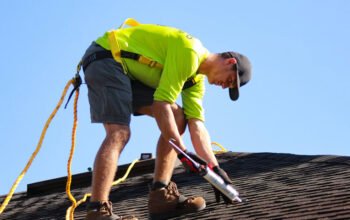
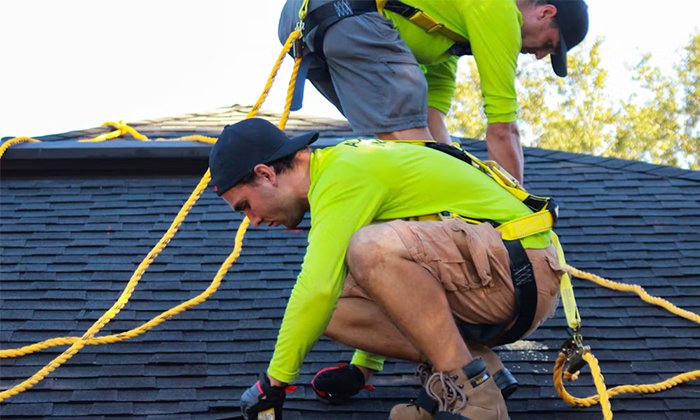
Installing a new roofing system requires careful coordination between material selection, structural preparation, protective layers, ventilation, and drainage. Experienced roofing contractors begin by evaluating the roof design, measuring the surface, and identifying any conditions that could affect the installation process. When replacing an existing roof, they may remove old materials to inspect the underlying deck and repair damaged sections before proceeding. Underlayment, flashing, shingles, panels, and other components must then be installed in the correct sequence according to the selected system’s requirements. Attention to detail is especially important around chimneys, skylights, roof valleys, vents, and edges because these areas are more vulnerable to water intrusion. Incorrect fastening, poorly positioned flashing, or inadequate preparation can shorten the roof’s useful life even when high-quality materials are used. Professional installation helps ensure that the individual components work together as a complete protective system. A carefully managed project can reduce the likelihood of premature failures, improve the appearance of the finished roof, and provide dependable protection for the property.
Repairing Roof Leaks
Roof leaks are among the most common concerns property owners face because water can damage ceilings, walls, insulation, electrical components, and structural materials if the problem remains unresolved. Skilled roofing contractors investigate the source of a leak by examining potential entry points, damaged roofing materials, flashing, roof valleys, and nearby penetrations. The location of an interior water stain does not always correspond directly with the point where water enters, because moisture can travel along structural components before becoming visible inside the building. For this reason, a proper diagnosis is essential before repairs begin. Depending on the findings, the solution may involve replacing damaged shingles, repairing flashing, correcting drainage problems, or addressing deterioration in the underlying roof deck. Temporary measures may help limit immediate exposure, but permanent repairs should address the cause of the leak rather than simply conceal the symptoms. Prompt professional attention can reduce repair costs, protect interior finishes, and prevent moisture from affecting additional areas of the building.
Storm Damage and Emergency Repairs
Severe weather can damage roofing materials through strong winds, heavy rainfall, falling branches, and airborne debris. After a storm, roofing contractors can assess visible damage and determine whether immediate protective measures or permanent repairs are required. Missing shingles, punctured roofing surfaces, damaged flashing, displaced panels, and fallen tree limbs may expose the building to further water intrusion. In some situations, a temporary protective covering may be necessary until conditions allow a complete repair. Property owners should avoid climbing onto a damaged roof because wet surfaces, unstable materials, and hidden structural problems can create serious safety hazards. Instead, they can document visible damage from a safe location and contact a qualified professional for an assessment. Contractors can explain the extent of the damage, recommend appropriate repairs, and provide written documentation when needed for an insurance claim. Addressing storm-related problems promptly helps prevent additional deterioration and restores the roof’s ability to protect the property against subsequent weather conditions.
Improving Roof Ventilation
Proper ventilation helps manage heat and moisture in roof and attic spaces, supporting the performance of the building’s overall roofing system. Experienced roofing contractors can evaluate whether the existing ventilation arrangement is suitable for the roof design, insulation levels, and applicable building requirements. Inadequate ventilation may contribute to excessive attic temperatures, condensation, moisture accumulation, and premature deterioration of certain roofing components. However, adding vents without considering the complete airflow arrangement may not solve the problem and can sometimes create additional issues. Intake and exhaust ventilation should be designed to work together, while insulation and air sealing must be considered as part of the wider building envelope. A professional assessment can identify whether existing vents are blocked, incorrectly positioned, or insufficient for the space. Improvements should follow appropriate product specifications and construction requirements rather than relying on assumptions about the number of vents needed. When ventilation is properly coordinated with insulation and roofing materials, it can help support indoor comfort, manage moisture, and contribute to the long-term durability of the roof.
Roof Replacement Planning
When roofing materials deteriorate extensively, repeated repairs may become less practical than installing a completely new system. Experienced roofing contractors can evaluate the roof’s age, material condition, repair history, and structural integrity to help determine whether replacement is appropriate. Widespread shingle damage, recurring leaks, deteriorated underlayment, and significant material failure may indicate that the existing roof is approaching the end of its useful life. A replacement project also provides an opportunity to inspect the roof deck, update flashing, improve ventilation, and address drainage concerns that may have contributed to previous problems. Property owners should request a detailed estimate that explains material choices, labor, removal of old roofing, disposal, expected timelines, and warranty information. Comparing proposals helps clarify the available options, but the lowest price should not automatically determine the final decision. The scope of work, quality of materials, contractor experience, and proposed installation methods are equally important. Careful planning helps establish a realistic budget and supports a roofing investment that meets the property’s long-term needs.
Managing Roofing Project Costs
The overall cost of roofing work depends on several factors, including roof size, slope, accessibility, material selection, labor requirements, and the complexity of the design. Reliable roofing contractors explain these factors when preparing estimates so that property owners understand what the proposed price includes. Additional expenses may arise if damaged decking, deteriorated flashing, inadequate ventilation, or other hidden problems are discovered after work begins. The removal and disposal of old materials, specialized equipment, and safety arrangements may also influence the total investment. Homeowners should request written estimates that clearly separate major project components and describe any circumstances that could result in additional charges. It is useful to compare several proposals, provided each contractor is estimating a similar scope of work and comparable materials. An unusually low quote may exclude essential components or rely on unsuitable installation practices, potentially leading to greater costs later. Setting aside a reasonable contingency for unexpected repairs can also make the project easier to manage financially. Transparent budgeting supports better decisions and helps prevent misunderstandings throughout the roofing process.
Selecting a Reliable Roofing Company
Choosing a dependable company is essential because the quality of roofing work depends on professional knowledge, preparation, and consistent attention to detail. Property owners should evaluate roofing contractors by reviewing their experience, verifying applicable licensing and insurance requirements, checking references, and asking about the materials they commonly install. A written contract should explain the project scope, payment schedule, anticipated completion period, cleanup responsibilities, and warranty terms. It is also important to understand who will supervise the work and how unexpected problems will be communicated and resolved. Professional contractors should answer questions clearly, explain their recommendations, and avoid pressuring customers into unnecessary services. Homeowners researching available roofing solutions can visit roofing contractors to explore service information and determine whether the company’s offerings align with their property requirements. Comparing experience, communication, and project details can help property owners make a more informed choice. A reliable working relationship creates clearer expectations and helps ensure that the completed roofing project meets the agreed specifications.
Maintaining the Roof for Long-Term Performance
Regular maintenance helps extend the useful life of a roofing system and reduces the likelihood of unexpected repairs. Knowledgeable roofing contractors can recommend a maintenance schedule based on the roofing material, age of the system, surrounding vegetation, and exposure to environmental conditions. Maintenance may include checking for damaged shingles, inspecting flashing, clearing gutters, removing problematic debris, and confirming that water can drain away from the building efficiently. Property owners should also pay attention to interior warning signs, including ceiling discoloration, damp insulation, and unusual moisture in attic spaces. Trees that hang close to the roof may need trimming if branches scrape the surface or create a risk of falling debris. Although homeowners can monitor visible conditions from safe locations, professional inspections are advisable for steep roofs or areas that are difficult to access. Any cleaning or maintenance should follow the manufacturer’s recommendations to avoid damaging roofing materials or affecting warranty coverage. Consistent care helps identify small issues early, preserve the roof’s appearance, and maintain the building’s protection over time.
Understanding Roofing Warranties
Warranties provide useful information about the protection available for roofing materials and installation workmanship. Experienced roofing contractors should explain the difference between manufacturer warranties and workmanship warranties, because these documents may cover different types of problems and include separate conditions. Manufacturer coverage may apply to specified material defects, while workmanship coverage may address certain installation-related issues, subject to the written terms. Property owners should review coverage periods, exclusions, maintenance obligations, registration requirements, and claim procedures before signing a contract. It is also advisable to keep copies of the signed agreement, invoices, product specifications, inspection records, and warranty documents for future reference. These records can help clarify responsibilities if a problem develops and may provide useful information when selling the property. A warranty should not replace careful contractor selection or proper maintenance, and coverage should never be assumed to include every form of damage. Understanding the terms in advance helps homeowners evaluate the overall value of a roofing project and establish realistic expectations about future protection.
Conclusion
A durable roofing system is essential for protecting a property, maintaining indoor comfort, and preserving long-term structural value. Professional roofing contractors help property owners achieve these goals through inspections, installation, repairs, replacement, ventilation improvements, and ongoing maintenance. Choosing suitable materials, addressing problems promptly, and ensuring that flashing and drainage components are installed correctly can reduce the risk of water intrusion and premature deterioration. Property owners should also compare written estimates, review warranty conditions, and select experienced professionals who communicate clearly and follow appropriate safety procedures. Although roofing projects require careful financial planning, prioritizing workmanship and long-term performance can help prevent avoidable expenses in the future. By working with qualified professionals and maintaining the completed system, homeowners and commercial property owners can establish a dependable layer of protection that supports their building for years to come.