A home’s exterior serves as its first line of defense against changing weather conditions, moisture exposure, and everyday environmental wear. Although homeowners often focus on roofing, windows, and landscaping when improving their properties, siding deserves equal attention because it protects exterior walls while shaping the overall appearance of the building. Damaged, outdated, or poorly installed siding can create problems that extend beyond appearance, potentially allowing moisture to reach underlying materials and increasing the need for costly repairs. Choosing suitable siding materials and ensuring proper installation can help homeowners maintain a durable, attractive, and functional exterior for years. An experienced siding contractor can help property owners evaluate their existing exterior, compare available materials, and determine which improvements offer the best combination of protection, durability, and visual appeal. Understanding the relationship between siding quality, installation techniques, and long-term maintenance makes it easier to plan an exterior renovation that supports the property’s overall condition.
Understanding the Role of Siding
Siding performs several important functions that contribute to a home’s durability and appearance. Its most visible purpose is to create a finished exterior surface that complements the property’s architectural style, but it also helps protect the underlying wall assembly from direct exposure to wind, rain, sunlight, and airborne debris. When siding is installed correctly as part of a properly designed exterior system, it works alongside weather-resistant barriers, flashing, insulation, and drainage components to help manage moisture and maintain the integrity of the walls. Different siding materials provide different levels of impact resistance, maintenance convenience, and weather performance, so choosing the right product requires careful consideration. Homeowners should also understand that siding is not automatically waterproof simply because it covers the exterior walls. Water management depends on the complete wall assembly, including properly installed transitions and drainage features. Investing in suitable materials and professional workmanship helps create an exterior that looks attractive while supporting the structure’s long-term protection.
Choosing Suitable Siding Materials
Selecting siding materials involves balancing appearance, durability, maintenance requirements, and installation costs. Vinyl siding remains a popular option because it comes in numerous colors, textures, and profiles, allowing homeowners to achieve different exterior styles without frequent repainting. Fiber cement siding offers another attractive choice, particularly for property owners who want the appearance of traditional wood combined with a durable manufactured material. Engineered wood siding can provide a natural-looking finish while incorporating manufacturing features intended to improve consistency and performance. Traditional wood siding also remains appealing because of its distinctive texture and classic character, although it generally requires more attention to finishing and maintenance. Each material has specific installation requirements and limitations, making it important to consider the property’s design and environmental exposure before making a final selection. Homeowners should compare manufacturer warranties, expected maintenance, and product specifications rather than choosing solely according to color or initial price. A carefully selected siding system can improve exterior appearance while helping reduce unnecessary maintenance and replacement expenses.
Recognizing Signs of Siding Damage
Identifying siding problems early can prevent minor exterior defects from developing into more extensive repairs. Common warning signs include cracked panels, loose sections, warped surfaces, holes, fading, peeling paint, and deteriorating trim around windows or doors. These issues can result from prolonged weather exposure, accidental impacts, improper installation, aging materials, or moisture-related deterioration. In some situations, visible damage may be accompanied by less obvious problems behind the exterior surface. Persistent musty odors, interior wall discoloration, unexplained moisture near windows, or soft areas in exterior wood components may indicate that water has entered parts of the building envelope. Homeowners should avoid covering damaged siding with new materials before identifying the cause of the problem. If moisture has affected the underlying sheathing or framing, those components may require attention before replacement siding is installed. Periodic inspections help property owners understand the condition of their exterior and determine whether cleaning, localized repairs, or complete replacement would be the most appropriate solution.
Why Professional Installation Matters
The quality of siding installation has a direct influence on how well the finished exterior performs over time. Even durable materials can develop problems when panels are fastened incorrectly, joints are poorly aligned, or the installer fails to follow the manufacturer’s specifications. Proper installation requires attention to spacing, fastening patterns, expansion and contraction, flashing, and the relationship between siding and adjacent exterior components. Installers must also consider vulnerable areas such as corners, rooflines, windows, doors, utility penetrations, and transitions between different materials. Incorrect detailing in these locations may allow moisture to enter the wall assembly or create opportunities for panels to loosen during strong winds. Before installing replacement siding, the existing surface should be evaluated to identify damaged sheathing, deteriorated trim, and other conditions that could affect the new installation. Professional workmanship helps ensure that these concerns are addressed appropriately instead of being concealed behind fresh materials. Careful preparation and correct installation can improve the finished appearance, support long-term durability, and reduce the likelihood of premature siding failure.
Protecting Exterior Walls From Moisture
Moisture control is essential for maintaining the condition of exterior walls. Rainwater can reach vulnerable areas through poorly maintained joints, damaged flashing, improperly installed trim, or openings created by deteriorating materials. Once moisture moves behind the siding, it may remain trapped against the underlying wall components if drainage and drying provisions are inadequate. Over time, persistent dampness can contribute to wood deterioration, corrosion of certain building components, and conditions that support mold growth. Effective exterior protection therefore depends on more than the visible siding panels. Weather-resistant barriers, correctly integrated flashing, appropriate clearances, and properly designed drainage pathways may all contribute to the performance of the wall assembly. Gutters and downspouts also play an important role by directing roof runoff away from exterior walls and the foundation. Homeowners should address drainage problems promptly and avoid allowing water to collect near siding edges or vulnerable transitions. Combining quality materials with sound moisture-management practices helps preserve the building’s exterior and reduces the risk of preventable damage.
Improving Exterior Appearance
Siding has a substantial influence on the visual character of a property because it covers a large portion of the home’s exterior. Outdated colors, uneven repairs, faded panels, and mismatched materials can make a well-maintained building look older than it actually is. Updating the siding offers an opportunity to create a more cohesive appearance while coordinating exterior colors and textures with roofing, windows, doors, and decorative trim. Some homeowners prefer traditional horizontal lap siding, while others choose vertical panels or a combination of profiles to create a distinctive architectural effect. Color selection also deserves careful consideration because the chosen shade can influence how large, bright, or visually balanced the property appears. Neutral colors often provide a versatile foundation, while contrasting trim can highlight windows, entrances, and other architectural details. Before beginning the project, homeowners should review product samples and consider how the finished materials will look under different lighting conditions. A well-planned siding renovation can refresh the property’s appearance without requiring unnecessary changes to every exterior feature.
Supporting Energy Efficiency
A home’s energy performance depends on several interconnected components, including insulation, air sealing, windows, doors, roofing, and the exterior wall assembly. Although siding alone does not automatically provide significant insulation, a siding renovation can create an opportunity to evaluate how well the walls manage heat transfer and unwanted air movement. Damaged panels, poorly fitted trim, and deteriorated transitions may contribute to drafts or allow moisture to affect materials within the wall system. During an exterior upgrade, homeowners may consider whether additional insulation or air-sealing improvements are appropriate for the existing structure. Such upgrades should be planned carefully to ensure compatibility with the building’s design and moisture-management requirements. Proper ventilation and drainage must also be considered because changes to the exterior assembly can affect how moisture moves through the wall. Improved energy performance depends on the combined effectiveness of these components rather than on the siding material alone. By evaluating the entire exterior system during renovation, homeowners can make informed decisions that support indoor comfort, building durability, and potentially more efficient energy use.
Repairing or Replacing Old Siding
Deciding whether to repair or replace siding depends on the extent of the damage, the condition of surrounding materials, and the age of the existing installation. Localized damage may be addressed by replacing individual panels, securing loose sections, or repairing specific areas of trim. These repairs can be practical when the majority of the siding remains structurally sound and matching materials are available. However, widespread cracking, extensive warping, recurring moisture intrusion, and deterioration across several exterior walls may indicate that replacement deserves serious consideration. Homeowners should also consider whether the existing product is approaching the end of its expected service life and whether repeated repairs are becoming increasingly expensive. Before making a decision, the underlying wall should be inspected wherever there are signs of moisture damage or structural deterioration. Replacing siding without correcting the conditions that caused the original problem may simply lead to similar issues in the future. A thorough evaluation helps establish whether targeted repairs can provide lasting results or whether a complete exterior upgrade would offer better long-term value.
Maintaining Siding Throughout the Year
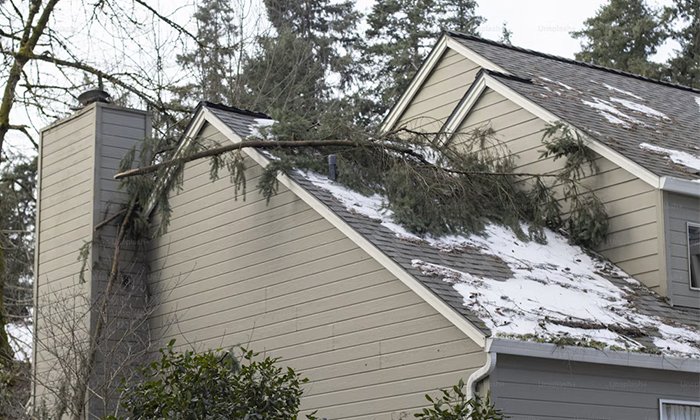
Regular maintenance helps preserve siding’s appearance and makes it easier to identify developing problems before they become more serious. Homeowners should periodically examine the exterior for cracks, loose panels, damaged trim, peeling finishes, and signs of water accumulation. Dirt, pollen, and other environmental deposits can usually be removed with cleaning methods appropriate for the selected siding material. However, excessive pressure or unsuitable cleaning products may damage certain surfaces, so manufacturer recommendations should always guide maintenance practices. Vegetation should be trimmed away from exterior walls to prevent branches from scraping the siding or concealing damaged areas. Homeowners should also keep gutters and downspouts clear so rainwater can move away from the building rather than repeatedly splashing against the walls. Following severe weather, an additional inspection may help identify damage caused by flying debris, hail, or strong winds. Maintenance needs vary according to the material, product specifications, and environmental conditions. Consistent attention to the exterior helps homeowners protect their investment and determine when professional repairs may be necessary.
Coordinating Siding With Roofing
Roofing and siding function as connected parts of the building envelope, which means problems with one system can influence the condition of the other. Roof edges, soffits, fascia, flashing, and gutters must work together to direct water away from vulnerable areas. When gutters overflow or roof flashing deteriorates, repeated water exposure may damage siding near the eaves and upper portions of exterior walls. Similarly, poorly detailed siding where the wall meets the roof can create openings that allow moisture to enter the structure. Homeowners planning a major renovation should evaluate the condition of both systems before deciding on the project sequence. If a roof replacement is also necessary, coordinating the work may help prevent damage to newly installed siding and reduce the need for repeated adjustments. A comprehensive exterior inspection can reveal related concerns involving drainage, trim, and transitions between building materials. Addressing these elements together helps create a more consistent protective system and supports the durability of the entire property.
Planning a Realistic Siding Budget
A successful siding project begins with a realistic budget that accounts for materials, labor, preparation, and potential repairs. The total cost depends on the size of the exterior, the selected siding product, the complexity of the building, and the accessibility of the work areas. Removing old materials may add to the expense, particularly when the existing exterior conceals deteriorated sheathing or moisture-related damage. Architectural details, multiple stories, decorative trim, and numerous windows or doors can also increase installation time. Homeowners should request detailed estimates that identify the materials, preparation work, installation scope, cleanup procedures, and warranty coverage. Comparing estimates solely by price can be misleading because different proposals may include different levels of preparation or different product specifications. It is also wise to discuss how unexpected damage will be handled if additional repairs become necessary after the old siding is removed. Understanding these details before work begins helps reduce confusion, supports better financial planning, and makes it easier to compare the long-term value of different siding options.
Choosing the Right Exterior Professional
Selecting an experienced professional is an important step in achieving dependable siding results. Homeowners should look for a company that understands the installation requirements of the selected material and can explain how the proposed work will protect the underlying structure. Reviewing previous projects, checking references, and confirming appropriate licensing and insurance where required can help homeowners make a more confident decision. It is equally important to discuss project timelines, material availability, preparation requirements, cleanup arrangements, and warranty coverage before signing an agreement. A reliable professional should explain the differences between available siding products and provide recommendations based on the property’s actual condition rather than relying on a one-size-fits-all approach. Clear communication becomes especially important when unexpected deterioration is discovered during removal or preparation. Homeowners should understand how additional work will be documented and approved before costs change. Roost Roofing & Siding provides an opportunity for property owners to explore exterior improvement services and learn more about options that may suit their roofing and siding needs. Careful research and clear expectations help establish a stronger foundation for a successful renovation.
Long-Term Value of Quality Siding
Quality siding can contribute to a property’s long-term value by maintaining a clean exterior appearance and helping protect the building from environmental exposure. Prospective buyers often notice the condition of the exterior before examining the interior, so damaged or neglected siding may create concerns about maintenance and potential hidden problems. In contrast, a well-maintained facade can make a property appear cared for and visually appealing. The financial benefits of replacing siding depend on factors such as material quality, workmanship, property condition, and market expectations, so homeowners should avoid assuming that every expensive upgrade will produce the same return. A practical investment focuses on resolving existing problems, choosing materials suited to the property, and ensuring installation meets the manufacturer’s requirements. Keeping records of the work, product specifications, and warranties can also help demonstrate the quality of improvements during a future sale. Beyond resale considerations, reliable siding can provide everyday benefits through improved exterior appearance, easier maintenance, and better protection for the underlying wall system.
Conclusion
Siding is an essential component of a home’s exterior because it influences appearance, moisture management, durability, and the long-term condition of the building. Choosing appropriate materials, recognizing damage early, and maintaining the surrounding roofing and drainage systems can help homeowners avoid preventable problems. Professional installation also plays a major role in ensuring that the finished exterior performs as intended and that vulnerable transitions receive appropriate attention. When siding becomes extensively damaged or difficult to maintain, a carefully planned replacement project can improve the property’s appearance while addressing underlying exterior concerns. Working with a qualified siding contractor allows homeowners to evaluate available materials, understand installation requirements, and develop a renovation plan that reflects their property’s needs. By prioritizing quality workmanship, suitable products, and effective moisture protection, homeowners can create a more durable exterior and enjoy the benefits of a well-maintained property for years to come.