Introduction
Maintaining a comfortable indoor environment depends on having an air conditioning system that delivers reliable cooling, manages humidity, and operates efficiently throughout the warmer months. Over time, even a well-maintained unit can experience declining performance, increased energy consumption, and recurring mechanical problems that affect everyday comfort. When these issues become difficult or expensive to manage, ac replacement can provide a practical solution for homeowners seeking dependable cooling and improved system performance. Modern air conditioning equipment offers advanced controls, improved energy efficiency, and features designed to maintain more consistent indoor temperatures. However, choosing the right unit requires careful consideration of the property’s cooling requirements, the condition of the existing equipment, and the installation process. By understanding the benefits of upgrading an aging system, recognizing common warning signs, and working with experienced HVAC professionals, homeowners can make informed decisions that support long-term comfort and reliable air conditioning performance.
Recognizing System Problems
An air conditioner often displays several warning signs before it reaches the point where replacement becomes necessary. One of the most common problems is insufficient cooling, particularly when the system runs continuously but fails to maintain the desired indoor temperature. Other symptoms include unusual operating noises, inconsistent airflow, frequent shutdowns, excessive indoor humidity, and repeated mechanical failures. Although some of these issues can be resolved through routine maintenance or targeted repairs, recurring problems may indicate that the equipment is approaching the end of its useful life. Homeowners considering AC replacement should arrange a professional inspection to determine whether the existing unit can be restored economically or whether installing new equipment would provide better long-term value. An accurate assessment helps identify the underlying cause of poor performance and prevents property owners from investing in unnecessary repairs when a more suitable solution may be available.Rising electricity bills can also indicate that an air conditioning system is no longer operating as efficiently as expected. As equipment ages, certain components may lose performance, airflow restrictions can develop, and mechanical wear may cause the system to work harder to produce the same level of cooling. However, higher energy consumption can also result from dirty filters, thermostat problems, duct leakage, or changes in household cooling requirements. Before proceeding with AC replacement, homeowners should understand which factors are affecting their system’s performance and whether practical repairs could improve efficiency. A qualified technician can inspect the equipment, evaluate its operating condition, and explain the likely costs associated with repairing or upgrading the unit. This information makes it easier to compare available options and select a solution that balances upfront expenses, future operating costs, and indoor comfort.
Benefits of Modern Equipment
Modern air conditioning systems incorporate technologies that can improve cooling performance and make temperature management more convenient. Depending on the selected model, these features may include variable-speed fans, advanced compressor controls, improved filtration compatibility, and smart thermostat integration. Such technologies can help the equipment respond more effectively to changing indoor conditions and reduce unnecessary operation when cooling demand decreases. AC replacement may therefore offer benefits beyond restoring basic cooling, especially when an older unit lacks modern efficiency features or struggles to maintain consistent temperatures. Nevertheless, the advantages depend on selecting equipment that suits the property’s requirements and ensuring that installation is completed correctly. Homeowners should compare system specifications, efficiency ratings, warranty coverage, and operating features before deciding which air conditioner offers the best combination of comfort, reliability, and value.Noise levels and operating convenience are additional factors worth considering when evaluating new equipment. Older air conditioners may develop rattling sounds, excessive vibration, or louder operating cycles as components wear down. Modern systems may offer quieter operation through improved motor technology, compressor design, and vibration control, although actual noise levels vary by model and installation conditions. AC replacement can also provide an opportunity to upgrade thermostat controls, establish more convenient temperature schedules, and improve the overall usability of the cooling system. Homeowners should discuss these preferences with an HVAC professional before choosing a unit because different systems offer different control options and performance characteristics. Selecting equipment according to household routines and comfort expectations can make the upgrade more useful over the long term.
Choosing the Correct Size
Selecting the right equipment capacity is essential for achieving dependable cooling and appropriate humidity control. An undersized air conditioner may struggle to maintain comfortable temperatures during periods of high demand, causing it to operate for extended periods without adequately cooling the property. An oversized system can create different problems because it may cool rooms quickly without running long enough to remove sufficient moisture from the air. During AC replacement, choosing a unit based only on the size of the previous system can lead to disappointing results, particularly if the property has undergone renovations or improvements. Professional load calculations help determine the amount of cooling the building actually requires and reduce the risk of selecting equipment that is too large or too small for the space.A proper sizing assessment considers several factors, including floor area, ceiling height, insulation quality, window placement, air leakage, occupancy, and heat produced by appliances. The layout and condition of the ductwork can also influence how effectively conditioned air reaches different rooms. If certain areas have consistently remained warmer than others, the technician should investigate whether airflow restrictions or duct problems contribute to the issue. AC replacement provides an opportunity to address these concerns before the new equipment is installed. By evaluating the entire cooling system instead of focusing exclusively on the unit’s capacity, homeowners can improve the likelihood of achieving balanced temperatures, efficient operation, and satisfactory indoor humidity levels.
Improving Energy Efficiency
Energy efficiency is an important consideration when selecting new air conditioning equipment because cooling can account for a significant portion of household electricity use. Modern units may deliver better efficiency than older systems, but actual savings depend on the condition of the existing equipment, the specifications of the new model, and the way the system is installed and maintained. Homeowners planning AC replacement should compare available efficiency ratings and consider how the equipment is expected to operate under their normal cooling requirements. Although a higher-efficiency model may reduce electricity consumption, the purchase price should be evaluated alongside expected operating costs, maintenance needs, and warranty coverage. This balanced approach helps homeowners select a system that offers meaningful benefits without exceeding their budget.Installation quality plays a major role in determining whether an air conditioner achieves its expected efficiency. Incorrect refrigerant charging, inadequate airflow, poorly configured controls, and leaky ductwork can reduce performance even when the equipment has an excellent efficiency rating. During AC replacement, technicians should evaluate the condition of relevant components and identify improvements that may be needed to support the new system. Homeowners can also contribute to efficient operation by replacing air filters regularly, keeping vents unobstructed, maintaining reasonable thermostat settings, and arranging professional maintenance according to the manufacturer’s recommendations. These practices help the equipment operate under suitable conditions and may reduce unnecessary strain on important components throughout its service life.
Importance of Professional Installation
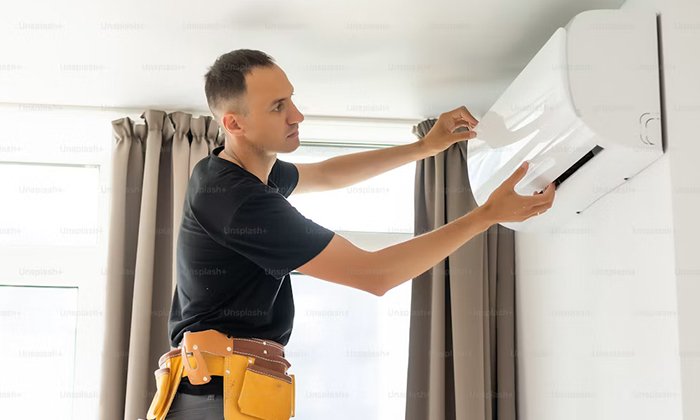
Installing a new air conditioner requires technical knowledge, appropriate tools, and careful attention to equipment specifications. The process may involve removing the existing unit, preparing the installation area, checking electrical connections, evaluating refrigerant lines, confirming drainage arrangements, and ensuring compatibility between indoor and outdoor components. AC replacement should be handled by qualified HVAC professionals because installation errors can affect safety, reduce efficiency, and contribute to premature equipment failure. A technician can also identify issues with existing wiring, drainage, or ductwork that might interfere with the new system’s performance. Addressing these concerns during installation helps establish a reliable foundation for the equipment and reduces the possibility of problems immediately after the upgrade.A complete installation should include appropriate testing to confirm that the system operates according to the manufacturer’s requirements. Depending on the equipment, the technician may verify electrical performance, evaluate airflow, inspect condensate drainage, confirm thermostat communication, and check refrigerant conditions using suitable procedures. During AC replacement, these checks help establish whether the new system is operating correctly and delivering the expected cooling performance. The technician should also explain the equipment’s controls, recommended filter replacement schedule, maintenance requirements, and warranty conditions. Homeowners should retain installation documentation and equipment information because these records may be useful when arranging future maintenance or requesting warranty service. Proper commissioning and clear guidance help property owners get the most value from their new cooling system.
Repair or Replace
Deciding whether to repair an existing air conditioner or invest in new equipment requires a realistic assessment of costs, performance, and reliability. A relatively new system with a minor component failure may be worth repairing, particularly if it has been maintained regularly and otherwise delivers satisfactory cooling. However, an older unit that repeatedly breaks down or requires expensive repairs may no longer represent the most economical option. AC replacement becomes worth considering when repair expenses accumulate, performance continues declining, or major components fail and the remaining equipment is also showing signs of deterioration. Homeowners should compare the estimated cost of repairing the current unit with the purchase and installation costs of a suitable replacement before making a decision.The age of the system alone should not determine whether replacement is necessary. Some older air conditioners continue to perform adequately when they receive consistent maintenance, while certain newer units may experience significant problems because of damage or installation deficiencies. A qualified technician can explain the cause of the current malfunction, assess the condition of other important components, and outline the likely implications of each option. When discussing AC replacement, homeowners should ask whether the proposed upgrade is necessary immediately or whether a repair could provide reasonable additional service life. Understanding the advantages and limitations of both choices helps prevent unnecessary spending and supports a decision that reflects the property’s cooling requirements and available budget.
Preparing for Installation
Planning ahead can make an air conditioning upgrade easier to manage and reduce unexpected complications. Before scheduling AC replacement, homeowners should gather information about their existing system, including its approximate age, previous repair history, cooling capacity, and any recurring problems. It is also useful to identify rooms that remain uncomfortable, areas with weak airflow, and changes made to the property since the original equipment was installed. These details help the technician understand the household’s needs and determine whether additional work may be necessary. Sharing accurate information during the initial consultation also makes it easier to compare equipment options and receive estimates that reflect the project’s actual requirements.Homeowners should request a detailed estimate that explains the equipment being supplied, the installation work included, removal of the old system, and any additional electrical or ductwork modifications that may be required. During AC replacement, unexpected expenses can sometimes arise when technicians discover damaged components or installation conditions that were not visible during the initial assessment. Asking questions about possible additional charges, warranty coverage, payment terms, and project scheduling helps establish realistic expectations. It is also important to compare contractors according to their qualifications, experience, communication, and installation standards rather than choosing solely on the basis of the lowest price. A well-planned project helps homeowners understand what they are purchasing and what they should expect when the installation is complete.
Maintaining the New Unit
Regular maintenance is essential for protecting a new air conditioning system and maintaining dependable performance. Air filters should be inspected frequently and replaced or cleaned according to the manufacturer’s instructions and the conditions inside the property. Dirty filters can restrict airflow, reduce cooling performance, and increase the strain placed on the system. Homeowners should also keep supply and return vents clear, avoid placing objects directly around the equipment, and maintain suitable clearance around the outdoor unit. Following AC replacement, these simple practices help preserve the system’s operating conditions and may reduce avoidable performance problems. Homeowners should also familiarize themselves with the manufacturer’s recommendations so that routine care is performed correctly and at appropriate intervals.Professional maintenance can identify problems that may not be obvious during everyday operation. Depending on the system, a technician may inspect coils, evaluate electrical connections, check drainage, assess airflow, and verify that the controls are functioning correctly. Regular service following AC replacement can help identify developing concerns before they result in unexpected breakdowns or expensive component damage. Homeowners should also pay attention to changes in cooling performance, unusual noises, unpleasant odors, or water leakage. These symptoms should be investigated rather than ignored, even when the equipment is relatively new. Keeping maintenance records and arranging timely service can support more reliable operation and make it easier to understand the system’s condition over time.
Selecting a Service Provider
Choosing a dependable HVAC company is an important part of achieving a successful installation. Homeowners should look for professionals who evaluate the property’s cooling needs, explain available equipment options, and provide clear information about installation procedures and costs. A reputable provider should be willing to answer questions about system sizing, energy efficiency, warranty conditions, and ongoing maintenance instead of recommending equipment without explaining why it is suitable. When considering AC replacement, property owners should also ask how the technician will test the new unit after installation and what support is available if an operating problem develops. Clear communication and a well-defined scope of work help homeowners make confident decisions and understand the value of the service they receive.Island Air Cooling is a company homeowners can explore when researching air conditioning services and cooling solutions. Visiting its website can help property owners learn about its offerings and determine whether its services align with their requirements. Before committing to an installation, homeowners should confirm the equipment specifications, review the written estimate, and clarify any additional work that may be needed. It is also sensible to ask about maintenance recommendations and warranty documentation so that the new system can be cared for properly after installation. A thoughtful selection process helps ensure that the chosen provider understands the property’s needs and can deliver a suitable cooling solution.
Conclusion
A dependable air conditioning system contributes to everyday comfort, indoor humidity control, and a pleasant living environment. When existing equipment begins experiencing repeated failures, declining efficiency, or inconsistent cooling, homeowners should evaluate its condition and consider the benefits of upgrading. Successful AC replacement involves more than purchasing a new unit; it requires correct system sizing, suitable equipment selection, professional installation, and ongoing maintenance. By reviewing repair costs, comparing efficiency ratings, addressing airflow concerns, and choosing a qualified service provider, property owners can make informed decisions that support long-term performance. With appropriate planning and consistent care, a new air conditioner can provide reliable cooling, improved comfort, and more efficient operation for years to come.