Understanding the Importance of AC Replacement
An air conditioning system plays an essential role in maintaining comfortable indoor temperatures, controlling humidity, and supporting a pleasant living environment during warmer weather. However, as cooling equipment ages, its performance may gradually decline, resulting in inconsistent temperatures, frequent breakdowns, and increased energy consumption. Professional AC replacement provides homeowners with an opportunity to upgrade outdated equipment, improve cooling reliability, and choose a system that better matches their current household needs. Although some air conditioning problems can be resolved through routine maintenance or individual component repairs, older systems may eventually reach a point where continued repairs become less practical than installing new equipment. Evaluating the condition of the existing system helps homeowners understand their options and make informed decisions about long-term comfort and operating costs.
Choosing the right replacement system requires careful consideration of several factors, including the property’s size, insulation, ductwork, cooling requirements, and existing electrical infrastructure. A newer air conditioner may offer improved efficiency, more consistent temperature control, and quieter operation compared with an older model, but these benefits depend on correct equipment selection and professional installation. Homeowners should avoid choosing a replacement unit based solely on its purchase price or the capacity of the previous system because the original equipment may not have been appropriately sized. A qualified technician can evaluate the property, explain available options, and recommend a cooling solution that meets the household’s requirements. With proper planning and professional service, replacing an outdated air conditioner can help establish a more dependable foundation for indoor comfort.
Recognizing the Signs That Your Air Conditioner Needs Replacement
One of the clearest signs that an air conditioner may need replacement is a growing pattern of performance problems. Homeowners may notice that the system struggles to cool the home, runs for extended periods, or produces uneven temperatures between different rooms. These symptoms can result from dirty filters, restricted airflow, refrigerant leaks, failing motors, or other repairable faults, so they do not automatically mean the entire unit must be replaced. However, when cooling problems continue despite appropriate maintenance and repairs, a professional assessment can determine whether the equipment is nearing the end of its useful service life. Evaluating recurring problems helps homeowners compare the cost of further repairs with the potential advantages of installing a new system.Increasing repair expenses can also influence the decision to replace aging cooling equipment. If a homeowner repeatedly pays for major component repairs, the cumulative cost may eventually become difficult to justify, particularly when other parts of the system are also deteriorating. An older air conditioner may also use more electricity than a suitable modern replacement, although actual energy savings depend on equipment efficiency, installation quality, usage patterns, and household conditions. During an inspection, a technician can evaluate the system’s age, repair history, overall condition, and current performance. Professional AC replacement may be worth considering when the equipment experiences repeated failures, struggles to maintain comfort, or requires a major repair that represents a substantial investment relative to the value of the existing system. A thorough assessment helps homeowners make decisions based on practical long-term benefits rather than assumptions.
Choosing the Right Replacement Air Conditioning System
Selecting suitable equipment is one of the most important steps in replacing an outdated air conditioner. A professional AC replacement project should begin with an evaluation of the property’s cooling requirements, available installation space, existing ductwork, and household comfort preferences. Central air conditioning systems may be appropriate for homes with compatible ductwork, while ductless mini-split systems can provide cooling for individual rooms or separate zones. Each option has different installation requirements, operating characteristics, and maintenance needs. Homeowners should consider the advantages of each system type alongside the property’s layout and existing infrastructure to identify the most practical solution.Energy efficiency, noise levels, temperature control features, and equipment reliability should also influence the selection process. Some modern systems include variable-speed compressors or advanced controls that adjust cooling output according to demand, potentially improving comfort and efficiency under suitable operating conditions. However, a more advanced system is not automatically the best choice for every property. A qualified technician can explain equipment specifications, compare available options, and recommend a model that balances performance with installation and operating costs. Properly planned AC replacement also involves reviewing warranty requirements, maintenance recommendations, and the availability of service support. Considering these factors before purchasing equipment helps homeowners avoid unsuitable choices and invest in a system designed to meet their needs over the long term.
Why Proper Equipment Sizing Matters
Correct equipment sizing is essential for maintaining comfortable temperatures and achieving reliable cooling performance. During an AC replacement project, technicians should evaluate the property’s cooling load instead of automatically installing a new unit with the same capacity as the old equipment. Factors such as floor area, ceiling height, insulation quality, window orientation, air leakage, occupancy, and heat-producing appliances can influence the amount of cooling required. Two homes with similar square footage may have different cooling demands because of differences in construction, sunlight exposure, and ventilation. A professional load calculation provides a more reliable basis for choosing the appropriate system capacity.An oversized air conditioner may cool indoor spaces quickly but shut down before adequately removing humidity, potentially leaving rooms feeling cool yet damp. Frequent cycling can also increase wear on components and affect overall efficiency. An undersized system, on the other hand, may run for long periods without maintaining the desired temperature during particularly warm weather. A properly planned AC replacement helps reduce these risks by matching equipment capacity to the home’s specific requirements and considering how conditioned air will be distributed throughout the property. Correct sizing is especially important when replacing older equipment because the existing system may have been selected using outdated assumptions. Taking the time to evaluate current conditions helps homeowners obtain more consistent cooling and avoid unnecessary operating problems.
Improving Energy Efficiency With a New Air Conditioner
Energy efficiency is a major consideration for homeowners deciding whether to replace aging cooling equipment. Older air conditioners may operate less efficiently than newer models, particularly when components have deteriorated or the system has received inadequate maintenance. Professional AC replacement allows homeowners to compare current equipment options and select a model with efficiency characteristics that suit their cooling requirements. Higher-efficiency systems may reduce electricity consumption under appropriate operating conditions, but the actual results depend on equipment sizing, installation quality, thermostat settings, climate, and household usage. Evaluating efficiency ratings alongside the expected purchase and installation costs helps homeowners understand the potential long-term value of upgrading their equipment.The efficiency benefits of a new air conditioner can be affected by conditions throughout the property. Poor insulation, leaking ductwork, blocked vents, and air leaks around windows and doors can increase cooling demand regardless of the equipment installed. A qualified technician can identify these issues and explain which improvements may complement the replacement project. During AC replacement, homeowners should also consider thermostat compatibility, airflow requirements, and maintenance needs to help the new system operate according to its intended specifications. After installation, replacing filters as recommended, keeping vents unobstructed, and scheduling routine inspections can help maintain performance. Combining suitable equipment with improvements to the home’s thermal envelope and consistent maintenance provides a practical approach to managing energy use while maintaining indoor comfort.
Preparing Your Home for AC Replacement
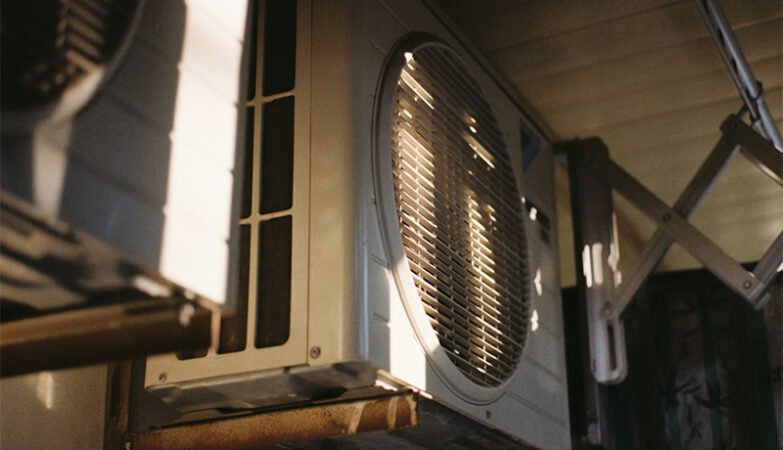
Preparing the property before replacement work begins can help make the installation process more organized and efficient. A professional AC replacement assessment may include inspecting the existing equipment, evaluating electrical connections, reviewing refrigerant lines where applicable, and checking whether the current ductwork can support the proposed system. The technician should also determine where indoor and outdoor components will be installed and whether any modifications are necessary. Outdoor equipment requires a stable surface and suitable clearance for airflow, while indoor components need appropriate placement for effective cooling, drainage, and future maintenance access. Identifying these requirements before the project begins can reduce unexpected complications and help establish a clear installation plan.Homeowners can contribute to a smoother replacement process by clearing access to the equipment, moving fragile belongings away from work areas, and discussing any concerns about noise, equipment placement, or installation timing. If the existing system has damaged ductwork or inadequate electrical infrastructure, the service provider should explain the necessary improvements and include them in the project estimate where appropriate. Professional AC replacement should also involve a clear discussion of the equipment specifications, removal of the old unit, installation procedures, disposal arrangements, and final testing. Understanding these details helps homeowners know what to expect and reduces the likelihood of misunderstandings. Good preparation allows the installation team to focus on completing the work safely and verifying that the replacement system functions correctly.
The Importance of Professional Installation
Replacing an air conditioner involves technical procedures that require appropriate training, tools, and knowledge of manufacturer requirements. Professional AC replacement helps ensure that electrical connections, refrigerant lines, condensate drainage, and airflow components are handled correctly. Improper installation can lead to refrigerant leaks, water damage, poor cooling, excessive noise, or reduced efficiency. Refrigerant handling must be performed by appropriately qualified professionals, and electrical work should comply with applicable safety standards. Attempting to install complex equipment without the necessary expertise can create safety hazards and may affect warranty coverage. Qualified technicians understand the importance of following equipment specifications and checking the system carefully before it is placed into regular use.After the new unit is installed, the technician should verify that the equipment starts correctly, responds to thermostat commands, and distributes conditioned air appropriately. The inspection may include checking operating conditions, evaluating airflow, confirming proper drainage, and ensuring that accessible electrical components are connected correctly. Homeowners should receive instructions about thermostat operation, filter access, maintenance requirements, and applicable warranty documentation. A properly completed AC replacement project should leave the homeowner with a clear understanding of how to operate and maintain the new equipment. Although professional installation cannot prevent every future malfunction, it reduces avoidable installation-related risks and provides a solid foundation for dependable performance throughout the cooling season.
Understanding the Role of Ductwork and Airflow
Ductwork plays a critical role in central air conditioning because it distributes cooled air from the equipment to different rooms throughout the property. During AC replacement, the existing duct system should be evaluated to determine whether it can support the airflow requirements of the new unit. Damaged ducts, leaking connections, inadequate insulation, and restricted passages can reduce the amount of conditioned air reaching occupied spaces. These issues may create uneven temperatures, increase cooling demand, and prevent homeowners from receiving the expected benefits of their new equipment. Replacing an air conditioner without addressing significant ductwork problems may leave existing comfort concerns unresolved.A qualified technician can inspect accessible ducts, identify visible restrictions, and recommend repairs or modifications when necessary. Proper airflow also depends on the arrangement of supply and return vents, the condition of air filters, and the performance of the blower assembly. A well-designed AC replacement project considers the complete air distribution system rather than focusing only on the cooling unit. Homeowners can support performance by keeping vents clear of furniture, curtains, and other obstructions after installation. If particular rooms remain warmer than others, the cause may involve airflow balance, duct leakage, insulation, or sunlight exposure. Evaluating these factors alongside the new equipment helps improve temperature consistency and supports more effective cooling throughout the property.
Comparing Repair Costs With Replacement Benefits
Homeowners often face the decision of whether to repair an existing air conditioner or invest in new equipment. Professional AC replacement may provide better long-term value when the current system experiences frequent breakdowns, requires substantial repairs, or no longer meets the household’s cooling needs. However, replacement is not automatically necessary whenever a system develops a fault. A relatively inexpensive repair may be the most practical solution if the equipment is otherwise reliable and operating efficiently. The decision should consider the age of the system, the severity of the problem, the repair estimate, the equipment’s condition, and the likely cost of future maintenance.A qualified technician can explain the advantages and disadvantages of each option, helping homeowners avoid unnecessary expenses. If a major component has failed in an older unit, comparing the cost of repair with the investment in new equipment may provide a useful starting point. Professional AC replacement can also be worth considering when repeated service visits create inconvenience or when the existing equipment has persistent performance limitations. Homeowners should request a clear estimate that distinguishes equipment costs, installation labor, required modifications, and any additional charges. They should also consider expected operating expenses and warranty coverage rather than focusing exclusively on the initial price. Evaluating the complete financial picture makes it easier to select a solution that balances comfort, reliability, and long-term value.
Selecting a Reliable Air Conditioning Service Provider
Choosing a qualified service provider is essential for achieving a successful replacement project. An experienced AC replacement professional should have relevant training, suitable insurance, and any licenses required for the work being performed. Familiarity with the proposed equipment type is also important because different systems have different installation requirements and operating characteristics. Homeowners should ask about equipment sizing, installation procedures, project timelines, warranty conditions, and the total estimated cost before approving the work. A dependable provider should explain the reasoning behind recommendations and identify any existing conditions that could affect the new system’s performance.Price is important, but the lowest estimate may not offer the best value if it excludes essential installation procedures or necessary improvements to the existing infrastructure. During AC replacement, proper equipment selection, airflow evaluation, electrical safety, and final testing are all important considerations. Homeowners should confirm whether the estimate includes removal of the old equipment, disposal, startup testing, and instructions for operating the new unit. Those seeking professional heating and cooling support can explore the services offered by Cardinal Heating to learn more about available solutions and determine which options suit their property. Selecting a provider who values transparent communication, accurate assessments, and appropriate workmanship helps homeowners make confident decisions and establish a dependable foundation for their new cooling system.
Maintaining Your New Air Conditioning System
A new air conditioner still requires regular maintenance to maintain reliable operation and preserve its intended performance. After professional AC replacement, homeowners should follow the manufacturer’s recommendations for filter replacement, routine inspections, and general equipment care. Dirty filters can restrict airflow, while debris around the outdoor unit may interfere with heat transfer. Keeping supply and return vents unobstructed helps the system distribute conditioned air effectively. Homeowners should also monitor the equipment for unusual noises, water leakage, weak airflow, or changes in cooling performance. Identifying these symptoms early allows problems to be investigated before they develop into more disruptive failures.Professional maintenance can include inspecting accessible coils, checking electrical components, evaluating condensate drainage, and verifying that the system operates correctly. The appropriate service schedule depends on the equipment type, operating conditions, and manufacturer recommendations. Maintaining records of installation details, service visits, and warranty information can also help homeowners manage future maintenance requirements. A successful AC replacement project provides the starting point for reliable cooling, but ongoing care remains important for maintaining performance over time. Combining basic homeowner maintenance with periodic professional inspections helps protect the equipment, reduce avoidable operating problems, and maintain comfortable indoor conditions throughout the cooling season.
Conclusion
Replacing an aging air conditioner can be an important investment in household comfort, cooling reliability, and energy management. Professional AC replacement helps homeowners evaluate outdated equipment, select an appropriately sized system, and ensure that the new unit is installed according to manufacturer specifications. By considering efficiency, ductwork, airflow, thermostat compatibility, and installation requirements, homeowners can reduce common problems and establish a stronger foundation for consistent indoor cooling. A careful comparison of repair and replacement options also helps ensure that the investment reflects the property’s actual needs.Working with a qualified professional allows homeowners to receive appropriate recommendations, clear project estimates, and dependable installation services. Regular filter replacement, unobstructed vents, suitable thermostat settings, and scheduled maintenance can further support the performance of the new system. With thoughtful planning and professional workmanship, AC replacement can improve indoor comfort and provide a practical long-term solution when existing equipment no longer meets household requirements.