A swimming pool provides an excellent opportunity to relax, exercise, entertain guests, and spend quality time with family, but keeping it ready for use requires proper preparation after a period of inactivity. Professional pool opening involves several important tasks, including removing the pool cover, cleaning accumulated debris, inspecting equipment, testing water chemistry, and ensuring that the circulation and filtration systems are functioning correctly. Simply uncovering a pool and adding a few chemicals is rarely enough to guarantee that the water and equipment are ready for swimming. A thorough preparation process helps identify potential problems before they become expensive repairs, improves water clarity, and establishes a strong foundation for regular maintenance throughout the season. By taking time to prepare every essential component carefully, pool owners can enjoy a cleaner swimming environment, reduce unexpected interruptions, and protect their investment for years to come.
Why Proper Pool Opening Is Essential
A successful pool opening is important because swimming pools can develop several problems while they remain unused for an extended period. Leaves, dust, insects, and other debris may accumulate beneath or around the cover, while changing temperatures and environmental conditions can affect water chemistry and equipment performance. If circulation has been interrupted or sanitizer levels have fallen, the water may become cloudy or develop algae, making additional cleaning and treatment necessary before swimming can resume. Proper preparation allows pool owners to identify these concerns early, evaluate the overall condition of the swimming area, and determine which maintenance tasks should be completed first. Rather than waiting until the pool is needed, a planned opening process provides sufficient time to clean the surfaces, restore the water balance, inspect the equipment, and arrange repairs if necessary.Another important benefit of pool opening is the opportunity to protect valuable pool components from avoidable wear and damage. Pumps, filters, heaters, plumbing connections, automatic cleaners, and other accessories work together to maintain a comfortable swimming environment, but each component requires appropriate inspection and care. A small leak, damaged fitting, obstructed line, or malfunctioning pump can interfere with circulation and create additional maintenance problems if ignored. Checking these systems before regular swimming begins can help prevent unexpected breakdowns during periods of heavy use. A detailed opening routine also helps owners establish a clear understanding of the pool’s current condition, making it easier to prioritize repairs, budget for necessary services, and maintain the equipment according to manufacturer recommendations.
Preparing the Pool Cover and Surrounding Area
The first stage of pool opening should focus on inspecting the pool cover and surrounding area before removing stored materials or starting any equipment. During periods of inactivity, covers can collect leaves, branches, dust, rainwater, and other debris that may fall into the pool if removal is handled carelessly. Pool owners should follow the manufacturer’s instructions, remove loose debris with appropriate tools, and use the recommended procedure for dealing with accumulated water. Heavy covers may require assistance, and standing water can create dangerous conditions, so nobody should walk on a cover or attempt an unsafe removal method. Taking these precautions helps protect the pool from unnecessary contamination and reduces the likelihood of damaging the cover or surrounding fittings during preparation.After the cover has been removed, pool opening should continue with a careful inspection of visible pool surfaces and the surrounding deck. Check the coping, tiles, steps, ladders, handrails, and nearby paving for cracks, loose components, deterioration, or other signs of damage that may have developed during the off-season. It is also helpful to examine the cover itself before cleaning and storing it, because small tears or damaged attachment points may require attention before the next period of inactivity. Identifying these concerns early makes it easier to arrange repairs before the pool becomes busy. Maintaining the surrounding area is equally important because loose paving, slippery deposits, and damaged access points can affect safe movement around the swimming area. A thorough inspection during pool opening helps ensure that both the water and the physical structure are ready for the demands of regular use.
Removing Debris and Cleaning Pool Surfaces
Cleaning is one of the most important parts of pool opening because accumulated debris can affect water quality, clog filtration equipment, and make the pool more difficult to restore. Leaves, insects, dirt, pollen, and other organic material should be removed from the water using suitable skimming equipment, while debris that has settled on the bottom may require vacuuming. Pool walls, steps, corners, and other surfaces should also be brushed to loosen dirt and deposits that ordinary circulation may not remove effectively. The correct cleaning method depends on the pool’s finish, so owners should use brushes and products suitable for the material rather than applying harsh treatments that could cause scratches, fading, or surface damage. Completing these tasks carefully helps reduce the amount of contamination entering the filtration system and creates a cleaner starting point for water treatment.During pool opening, extra attention should be given to areas where debris tends to collect or where water movement may be limited. Steps, corners, fittings, shaded sections, and areas behind ladders can retain dirt and may provide suitable conditions for algae growth when sanitation is inadequate. Cleaning these locations thoroughly can improve the overall appearance of the pool and make it easier to maintain water clarity as the season progresses. Owners should also inspect skimmer baskets and accessible collection points, removing debris according to the equipment manufacturer’s instructions. If the pool has heavy staining, stubborn deposits, or widespread algae, ordinary brushing may not be sufficient to resolve the problem. In these situations, identifying the cause and selecting an appropriate cleaning or treatment method is more effective than repeatedly using products without understanding what the pool needs.
Inspecting Pumps and Circulation Systems
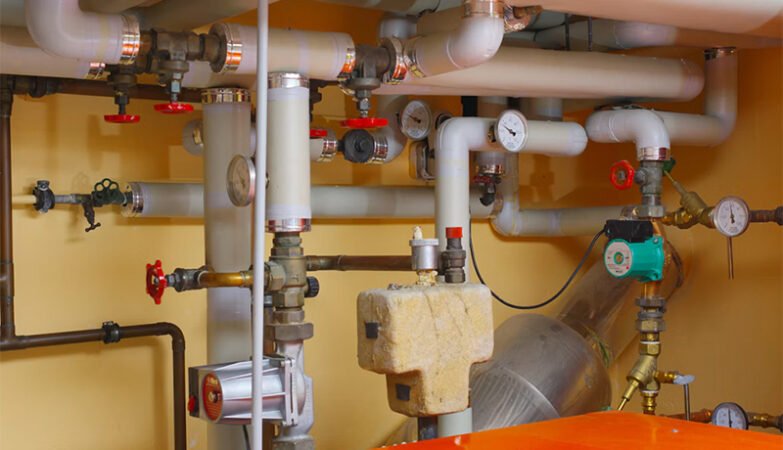
A swimming pool depends on reliable circulation to move water through the filtration system and distribute sanitizer throughout the swimming area, which makes equipment inspection an essential part of pool opening. Before starting the pump, owners should examine accessible plumbing, valves, connections, and equipment housings for visible leaks, cracks, corrosion, or other signs of damage. Any equipment that was disconnected or winterized should be restored according to the manufacturer’s instructions, with particular care given to fittings and components that must be installed correctly before operation. Starting a system without completing the required preparation may lead to leaks, poor circulation, or damage to equipment. A careful visual inspection helps establish whether the system appears ready to operate and identifies conditions that should be addressed before the pump is switched on.Once the system has been prepared properly, pool opening should include observing the pump and circulation equipment during startup. Check whether water moves through the system as expected, whether the pump maintains normal operation, and whether any unusual sounds, vibrations, leaks, or changes in water flow occur. A pump that struggles to prime, repeatedly loses prime, or produces noticeably weak circulation may have an underlying problem that requires professional attention. Pool owners should avoid repeatedly running malfunctioning equipment because doing so may increase the risk of further damage. Electrical components and pressurized systems also require appropriate safety precautions, and repairs should be left to qualified technicians when they involve specialized knowledge or equipment. Identifying circulation problems before regular swimming begins can help prevent interruptions and support more effective filtration throughout the season.
Cleaning and Checking the Pool Filter
The filtration system removes suspended particles and helps keep pool water clear, but it must be in suitable condition before the swimming season begins. Pool opening should include checking the filter type, reviewing its maintenance history, and determining whether cleaning or servicing is necessary. Sand filters, cartridge filters, and diatomaceous earth filters have different operating requirements, so owners should follow the manufacturer’s instructions rather than applying the same procedure to every system. A clogged or damaged filter may restrict circulation and reduce the system’s ability to remove contaminants, especially when a pool needs substantial cleaning after several months of inactivity. Inspecting the filter before regular use helps establish whether it is ready for increased demand and whether any maintenance should be completed before the pool is used.Proper filter care during pool opening can also improve system efficiency and reduce unnecessary wear on the pump. Cartridge filters may require removal and careful cleaning, while other systems may need backwashing or additional procedures appropriate to their design. Cleaning should be performed at the intervals recommended by the manufacturer, because unnecessary servicing can sometimes cause damage or waste water and treatment products. Before opening any filter housing or working on pressurized equipment, the system must be shut down and safely depressurized according to the proper procedure. Owners should also observe pressure readings and monitor changes in water flow after the system is restarted. If the filter continues to perform poorly despite appropriate cleaning, a professional inspection may help determine whether the problem involves the filter, plumbing, pump, or another part of the circulation system.
Testing and Balancing Pool Water Chemistry
Water chemistry is one of the most critical elements of pool opening because water that appears clean is not necessarily ready for swimming. After a period of inactivity, sanitizer levels may be inadequate, pH may fall outside the recommended range, and other chemical measurements may require adjustment. Pool owners should test the water using suitable equipment and assess the results before deciding which treatment products are necessary. Sanitizer, pH, and total alkalinity are common measurements to evaluate, while other tests may be appropriate depending on the pool’s treatment system and local water conditions. Accurate testing provides a reliable starting point for restoring balance and helps prevent the mistakes that can occur when chemicals are added without understanding the actual condition of the water.Once testing is complete, pool opening should involve making carefully measured adjustments based on the pool’s water volume, test results, product instructions, and equipment recommendations. Adding excessive chemicals can create additional problems, while insufficient treatment may allow algae and microorganisms to develop. Chemical products should be handled individually according to their labels and should never be mixed directly unless the manufacturer explicitly confirms that doing so is safe. Owners should also ensure that treatments have circulated for the recommended period and retest the water when appropriate before swimming resumes. If readings remain outside recommended limits or the water condition is difficult to understand, professional assistance can help determine the correct approach. Careful water balancing improves swimmer comfort, supports sanitation, and helps protect pool surfaces and equipment from problems associated with unsuitable chemical conditions.
Preventing Algae Growth and Cloudy Water
Algae and cloudy water are common concerns during pool opening, particularly when the water has remained untreated, circulation has been limited, or debris has accumulated beneath a cover. Algae may appear as green, yellowish, or dark deposits on the pool floor and walls, while suspended particles can make the water appear dull, hazy, or opaque. These conditions should be assessed before regular swimming begins because they may indicate that cleaning, filtration, sanitation, or several corrective steps are necessary. Brushing affected surfaces, removing debris, restoring circulation, and applying suitable treatments based on reliable water tests can help address the underlying problem. However, the appropriate solution depends on the cause, and simply adding more chemicals without testing may waste supplies or make the water balance harder to restore.Preventing these problems requires a consistent approach rather than relying on a single treatment at the start of the season. During pool opening, owners should ensure that the filtration system operates properly, that sanitizer levels are maintained according to recommendations, and that areas prone to poor circulation receive sufficient attention. The pool should be monitored as treatments take effect, with additional testing and cleaning performed when needed. Swimming should not resume until the water is sufficiently clear for safe visibility and chemical readings meet applicable recommendations. Persistent algae, recurring cloudiness, or unusual water conditions may require professional evaluation because the symptoms can have several possible causes. Addressing the underlying issue helps establish better water quality and makes routine maintenance easier after the pool returns to regular use.
Checking Pool Accessories and Safety Features
A complete pool opening should include a detailed inspection of accessories and safety features, because clean water alone does not guarantee that the swimming environment is ready for use. Ladders, handrails, steps, drain covers, skimmers, return fittings, lights, and other installed components should be examined for visible damage, loose connections, or deterioration. Accessories that were removed for storage should be reinstalled according to the manufacturer’s instructions, and damaged parts should be repaired or replaced before the pool is used. Owners should also check the condition of surrounding surfaces and identify any sharp edges, unstable fixtures, or slippery deposits that could create hazards. These inspections are particularly important for households with children, older adults, frequent guests, or anyone who may need additional assistance entering or exiting the water.Safety checks during pool opening should also extend to barriers, gates, emergency equipment, and the condition of the surrounding deck. Where installed, gates and self-closing or self-latching mechanisms should be checked for proper operation, while access points should remain appropriately secured according to applicable safety requirements. Pool owners should review their safety procedures, ensure that suitable supervision arrangements are in place, and confirm that emergency equipment is accessible. Damaged electrical fixtures or other specialized components should be assessed by qualified professionals rather than handled through improvised repairs. A thorough safety inspection creates an opportunity to address hazards before the pool becomes active and supports responsible use throughout the season. By combining equipment checks with sensible safety practices, owners can create a more reliable swimming environment for everyone.
Preparing Pool Heaters and Specialized Equipment
Many swimming pools include additional equipment such as heaters, saltwater systems, automatic cleaners, underwater lights, water features, and automated chemical controllers. Each component may have specific startup and maintenance requirements, making it important to include these systems in the pool opening process. Owners should review the manufacturer’s instructions, inspect accessible connections, and check for visible warning signs before activating equipment that has remained unused. Automatic cleaners may need attention to hoses, brushes, wheels, or moving parts, while heaters may require checks appropriate to their design and fuel source. Specialized equipment should not be operated when visible damage or unresolved warnings suggest that it may be unsafe or malfunctioning.Saltwater systems and automated controllers may also need suitable inspection or calibration before they can operate effectively. Their performance can depend on water chemistry, correct installation, and the condition of individual components, so the manufacturer’s procedures should be followed carefully. Pool opening is an appropriate time to review operating settings, confirm that warning indicators are understood, and arrange servicing when equipment requires technical attention. Electrical systems, gas connections, and pressurized components should be handled by qualified technicians whenever the work goes beyond routine owner maintenance. Preparing each system methodically helps reduce startup problems, supports more reliable operation, and allows owners to identify necessary repairs before they interfere with planned swimming activities.
The Advantages of Professional Pool Opening Services
Professional pool opening services can be especially useful for owners who have limited time, unfamiliar equipment, larger swimming pools, or water conditions that require extensive preparation. Experienced technicians can assess the pool’s condition, inspect circulation and filtration equipment, clean surfaces, test water chemistry, and identify repairs that should be completed before regular use. Their knowledge can help owners avoid common mistakes, such as starting equipment without proper preparation, making inaccurate chemical adjustments, or overlooking signs of mechanical damage. Professional assistance is also valuable when a pool has persistent algae, cloudy water, suspected leaks, or equipment that does not operate as expected after being inactive. A service visit can provide a clearer understanding of the work required and help owners plan the next steps.When selecting a provider, pool owners should consider experience, communication, service details, scheduling, and the specific requirements of their swimming pool. It is helpful to understand which tasks are included in the opening service, whether chemical products are part of the quoted price, and how additional repairs will be handled if problems are discovered. Owners seeking professional assistance can explore Pool Opening to learn more about available pool care services and determine whether the company’s offerings suit their needs. Asking clear questions and discussing the pool’s history can help ensure that the service plan addresses relevant concerns rather than focusing only on basic cleaning. A dependable provider can also help establish a regular maintenance routine, making it easier to preserve water quality and equipment performance after the initial opening is complete.
Maintaining the Pool After Opening
Pool opening is only the beginning of seasonal care, because water chemistry, equipment performance, and surface cleanliness can change as weather conditions and swimming activity increase. Once the pool is ready for use, owners should establish a routine that includes testing water regularly, removing floating debris, brushing surfaces, vacuuming when necessary, and checking that the pump and filter operate properly. Pools exposed to strong sunlight, frequent rainfall, nearby trees, or heavy use may require more frequent attention than pools in less demanding conditions. Following a consistent schedule helps prevent contaminants from accumulating and makes it easier to identify changes before they become serious problems. The precise routine should be adjusted to the pool’s design, treatment system, water conditions, and manufacturer recommendations.Keeping a maintenance record can make the period after pool opening more manageable and provide useful information if recurring issues develop. Owners can record water test results, chemical adjustments, filter cleaning, equipment inspections, repairs, and changes in water appearance. These records may help reveal patterns, such as repeated cloudiness after storms or reduced circulation when the filter needs attention. It is also important to respond promptly to leaks, unusual pump sounds, persistent algae, or other unexpected changes instead of postponing repairs until the problem becomes more disruptive. A well-maintained pool is easier to enjoy because the owner has a clearer understanding of its condition and can plan maintenance before it interferes with swimming. Consistent attention after opening protects the preparation work and supports cleaner, more dependable pool operation throughout the season.
Conclusion
A successful pool opening requires careful preparation, thorough cleaning, accurate water testing, equipment inspection, and attention to safety features before swimming begins. By removing debris, checking pumps and filters, balancing water chemistry, inspecting accessories, and addressing potential problems early, pool owners can establish a strong foundation for the swimming season. A detailed preparation process also helps protect valuable equipment, reduce avoidable repair costs, and make ongoing maintenance easier to manage. Whether owners complete routine tasks themselves or work with experienced professionals, the most effective approach is to follow the pool manufacturer’s recommendations and address concerns before they become more serious. With thoughtful preparation and consistent care, a swimming pool can remain cleaner, more reliable, and ready to provide enjoyment throughout the season.