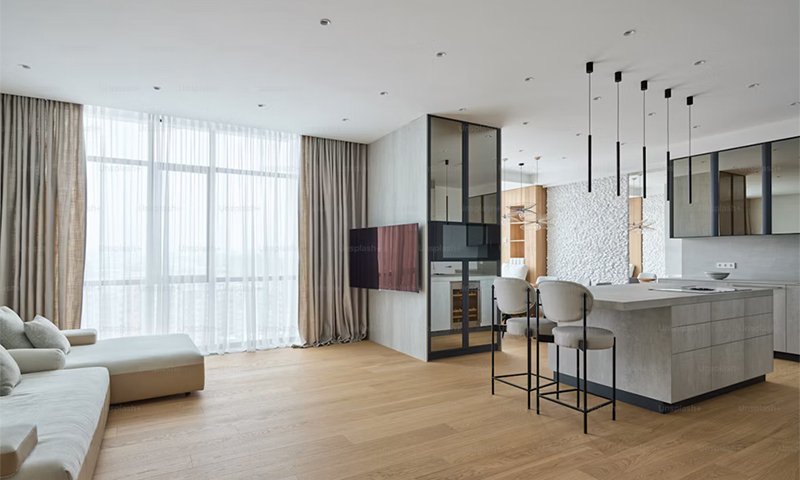
A home should provide comfort, convenience, and a welcoming atmosphere while meeting the practical needs of everyone who lives there. However, changing lifestyles, aging materials, outdated layouts, and growing storage requirements can gradually make a property less functional than it once was. A carefully planned home renovation offers an opportunity to refresh interior spaces, improve the organization of everyday activities, update essential features, and create an environment that better reflects personal preferences. Whether homeowners want to modernize a kitchen, improve a bathroom, update flooring, redesign a living room, or make several rooms feel more connected, thoughtful planning can help turn existing spaces into more attractive and useful environments. Successful renovation projects begin with identifying the most important improvements, understanding the property’s current condition, and establishing a realistic budget. By balancing appearance with durability, energy efficiency, and functionality, homeowners can make improvements that enhance everyday living while supporting the long-term condition and value of their property.
Understanding the Benefits of Renovating Your Home
Renovation can address problems that gradually develop as a property ages, including worn finishes, outdated fixtures, inefficient lighting, limited storage, and layouts that no longer suit household routines. Instead of adapting to these limitations indefinitely, homeowners can evaluate which improvements would make the greatest difference to their daily lives. Updating a kitchen may create more efficient food preparation areas, while improving a bathroom can enhance comfort, cleanliness, and accessibility. Replacing damaged flooring, repairing deteriorated surfaces, and improving ventilation can also help maintain the property’s condition. A well-planned home renovation focuses on practical improvements as well as visual appeal, ensuring that the finished space is easier to use and maintain. Renovation may also provide an opportunity to correct underlying problems before installing new materials, reducing the risk of covering up moisture damage, plumbing issues, or other defects. When projects are guided by clear priorities, homeowners can make better use of their budgets and create interiors that remain comfortable and functional for years.
Creating a Clear Renovation Plan
Before purchasing materials or scheduling construction, homeowners should develop a plan that explains what needs to change and why. This process begins with evaluating the current condition of each room, identifying problems that require immediate attention, and determining which upgrades would provide the greatest benefit. It is helpful to separate essential repairs from optional improvements, since structural concerns, leaking pipes, damaged wiring, and moisture problems should generally take priority over decorative updates. Homeowners should also consider how their requirements may change over time, particularly if they expect their household size, work arrangements, or accessibility needs to evolve. A comprehensive home renovation plan should establish the project’s scope, preferred design style, material requirements, expected schedule, and available budget before work begins. Clear planning makes it easier to compare contractor estimates, coordinate different trades, and avoid making rushed decisions during construction. It also helps ensure that individual improvements work together rather than producing a collection of unrelated changes that lack visual or functional consistency.
Establishing a Realistic Budget
Budgeting is a critical part of any renovation because the final cost depends on the property’s condition, the size of the project, material selections, labor requirements, and the complexity of the work. Expenses may include design consultations, demolition, construction, flooring, cabinets, countertops, fixtures, lighting, plumbing, electrical upgrades, permits, delivery, and waste removal. Homeowners should obtain detailed estimates and confirm what each proposal includes instead of comparing prices without understanding the differences in scope. It is also important to reserve a contingency fund for unexpected discoveries, such as hidden water damage, deteriorated framing, or outdated systems that need attention once existing finishes are removed. A practical home renovation budget should prioritize necessary repairs and durable improvements before allocating money to decorative accessories or optional upgrades. Choosing the cheapest material or contractor may not provide the best long-term value if the work requires frequent repairs or premature replacement. By balancing upfront expenses with durability, maintenance requirements, and expected benefits, homeowners can make financially responsible decisions throughout the project.
Updating the Kitchen for Better Everyday Use
The kitchen is one of the busiest areas of a home, so even modest improvements can make a noticeable difference in everyday convenience. Outdated cabinets, insufficient counter space, poor lighting, and inefficient appliance placement can complicate meal preparation and make the room difficult to keep organized. Renovation provides an opportunity to improve storage, replace worn surfaces, update fixtures, and create a layout that supports cooking, cleaning, and gathering. Cabinet drawers, pull-out shelves, pantry organizers, and well-positioned work surfaces can make essential items easier to access without overcrowding the room. Homeowners should also consider the durability and maintenance requirements of countertops, flooring, and cabinet finishes, especially in areas exposed to moisture, heat, and frequent cleaning. During a home renovation, kitchen improvements should be coordinated with electrical connections, plumbing, ventilation, and appliance requirements before new cabinetry or surfaces are installed. This approach helps prevent costly adjustments later and creates a kitchen that combines attractive design with practical functionality.
Improving Bathrooms With Modern Features
Bathrooms can become more comfortable and easier to maintain when outdated fixtures, damaged surfaces, and inefficient layouts are addressed. Replacing worn flooring, updating a vanity, improving lighting, and installing modern plumbing fixtures can refresh the appearance while supporting daily routines. Storage is another important consideration because toiletries, towels, and cleaning products can quickly create clutter when there is insufficient cabinet or shelf space. Recessed shelving, vanity drawers, mirrored cabinets, and wall-mounted storage can improve organization while preserving valuable floor area. Moisture control should also receive careful attention, as inadequate ventilation and poorly sealed fixtures may contribute to mold growth, surface deterioration, and hidden damage. A successful home renovation should assess the condition of plumbing connections, waterproofing, ventilation, and existing wall and floor materials before installing new finishes. Selecting durable, water-resistant products and arranging fixtures to support comfortable movement can help create a bathroom that looks polished while remaining practical for everyday use. Where accessibility is a priority, homeowners can also consider safer flooring, convenient grab-bar placement, and easier-to-use fixtures.
Enhancing Living Rooms and Shared Spaces
Living rooms and shared family areas should provide enough space for relaxation, conversation, entertainment, and everyday activities. Over time, furniture arrangements and room layouts may become inconvenient, particularly when pathways are obstructed or storage is insufficient. Renovation can improve these spaces through updated flooring, fresh paint, better lighting, built-in shelving, and more effective furniture placement. In some homes, opening the connection between the living room, dining area, and kitchen can create a brighter, more connected environment, although structural requirements and household preferences should be assessed before removing walls. Other properties may benefit from retaining separate rooms for privacy, noise control, or different activities. A thoughtful home renovation considers how family members use shared spaces and selects improvements that support those routines without making rooms feel overcrowded. Coordinating wall colors, flooring materials, lighting fixtures, and decorative finishes can also create a consistent appearance across adjoining areas. These changes help establish a welcoming environment that accommodates both ordinary family life and gatherings with guests.
Choosing Durable Flooring and Interior Finishes
Flooring, wall treatments, cabinetry, and other finishes influence the appearance, comfort, and maintenance requirements of a renovated property. The most suitable materials depend on the room’s function, expected traffic, exposure to moisture, and the homeowner’s preferences. Durable flooring may be especially important in entryways, kitchens, hallways, and other high-use areas, while softer materials may be appropriate for bedrooms and relaxation spaces. Paint colors should complement existing architectural features, furniture, and available natural light rather than being selected in isolation. Homeowners can also create visual interest by combining a limited range of textures and finishes, such as wood, stone, metal, and fabric, without making the interior feel excessively busy. During a home renovation, it is helpful to examine material samples in the actual space because colors and textures can look different under daylight and artificial lighting. Maintenance should remain part of the decision-making process, since some finishes require specialized cleaning or periodic treatment. Choosing materials that balance durability, appearance, and cost can help ensure that the renovated interior remains attractive without demanding unnecessary upkeep.
Improving Lighting and Energy Efficiency
Lighting can change how spacious, comfortable, and functional a room feels. Dark areas may benefit from improved fixture placement, brighter task lighting, or adjustments that allow natural daylight to enter more effectively. A balanced lighting plan combines general illumination with task lighting for activities such as reading, cooking, and working, along with accent lighting that highlights artwork or architectural features. Renovation may also provide an opportunity to address energy efficiency by upgrading inefficient light fixtures, improving insulation, sealing air leaks, or evaluating older heating and cooling equipment. The right improvements depend on the property’s existing systems, climate requirements, and expected energy savings. Ventilation is equally important in kitchens, bathrooms, and laundry areas where moisture and odors can accumulate. A carefully coordinated home renovation addresses these functional systems before walls, ceilings, and other surfaces are finished, reducing the likelihood of reopening completed areas to make later adjustments. Combining lighting improvements with appropriate ventilation and insulation can create a more comfortable interior while supporting responsible energy use and potentially reducing ongoing household expenses.
Making Better Use of Storage Space
Insufficient storage can make a home feel cluttered even when its rooms are otherwise attractive and well maintained. Closets, cabinets, shelves, and other storage areas should be designed around the items a household uses regularly, with frequently needed belongings placed where they can be reached easily. Built-in wardrobes, pantry organizers, under-stair cabinets, shelving systems, and multifunctional furniture can help maximize available space. In smaller rooms, vertical storage and furniture with concealed compartments may provide useful capacity without taking up excessive floor area. Homeowners should also evaluate underused spaces, such as spare rooms, alcoves, or unfinished areas, to determine whether they could serve a more practical purpose. A well-organized home renovation integrates storage into the overall layout instead of treating it as an afterthought. This approach can reduce visual clutter, improve accessibility, and make cleaning and everyday organization easier. Before installing new cabinets or shelving, homeowners should assess their actual storage needs and measure available dimensions to ensure that the final solutions fit comfortably and remain convenient to use.
Selecting the Right Design and Color Scheme
A consistent design approach helps renovated rooms feel connected while allowing each area to serve its own purpose. Some homeowners prefer clean, modern interiors with simple lines and neutral colors, while others favor traditional details, natural textures, or more expressive decorative elements. The most suitable direction should reflect personal taste, the property’s architecture, and the practical requirements of the household. Neutral colors can provide flexibility for future updates, while carefully selected accent shades, artwork, textiles, and accessories introduce personality. It is also useful to consider how finishes transition between adjoining rooms so that changes in flooring, wall colors, or hardware appear intentional. A successful home renovation does not require every room to look identical; instead, it establishes a visual connection through complementary materials, balanced proportions, and repeated design details. Homeowners should avoid making major permanent selections solely because a particular trend is popular at the moment. Choosing finishes that remain appealing over time can help preserve the value of the renovation while allowing smaller decorative elements to change as preferences evolve.
Working With Experienced Renovation Professionals
Professional assistance can be especially valuable when a project includes several rooms, structural modifications, electrical work, plumbing changes, or complicated material selections. Depending on the scope, homeowners may need a designer, general contractor, electrician, plumber, flooring installer, or cabinetry specialist. Clear communication helps ensure that everyone understands the project requirements, responsibilities, schedule, and expected quality standards. Before selecting a contractor, homeowners should review relevant experience, request written estimates, verify appropriate licensing and insurance where required, and discuss how additional work will be approved and priced. It is also important to establish who will arrange permits, coordinate inspections, order materials, and manage the construction schedule. For homeowners looking for coordinated design and remodeling support, home renovation is worth exploring when planning residential improvements. Professional coordination can help reduce misunderstandings between trades and identify potential issues before they cause delays. Maintaining written records of agreements, selections, payments, and changes provides an additional layer of clarity throughout the project.
Preparing for Renovation and Managing Disruptions
Construction can affect normal household routines, especially when kitchens, bathrooms, bedrooms, or main circulation areas are temporarily unavailable. Preparing in advance can make the process more manageable and reduce stress. Homeowners should discuss the expected schedule with contractors, identify which areas will be inaccessible, and determine whether temporary cooking, washing, working, or sleeping arrangements will be necessary. Furniture and personal belongings should be protected or moved away from construction zones, while valuable items and important documents should be stored safely. Dust control, ventilation, waste removal, and site access should also be addressed before work begins. A realistic home renovation timeline should account for material deliveries, inspections, trade coordination, and the possibility of unexpected repairs. Homeowners can help prevent delays by making design decisions early, responding promptly to questions, and avoiding unnecessary changes after construction has started. Regular progress discussions also make it easier to identify concerns and resolve them before they affect completed work or increase project costs.
Maintaining the Results After Renovation
Once renovation work is complete, regular maintenance helps protect the investment and preserve the condition of new materials and fixtures. Homeowners should follow manufacturer recommendations for cleaning flooring, countertops, cabinetry, appliances, and plumbing components. Periodic inspections can help identify small problems, such as loose hardware, damaged caulking, minor leaks, or deteriorating seals, before they lead to more extensive repairs. It is also useful to keep copies of warranties, invoices, product specifications, permits, and contractor information in an organized location.
These records can support future maintenance and make later upgrades easier to plan. A successful home renovation should leave the property more comfortable, functional, and manageable, but ongoing care remains important to protect those benefits. Addressing maintenance needs promptly and evaluating how rooms perform over time can help homeowners make small adjustments without requiring another major project. With appropriate care, renovated spaces can continue to support household routines and maintain their appearance for many years.
Conclusion
Renovating a home is an opportunity to improve everyday comfort, update outdated features, increase functionality, and create interiors that reflect changing household needs. Successful results depend on clear planning, realistic budgeting, durable material selections, efficient layouts, and careful coordination between everyone involved in the work. Improvements to kitchens, bathrooms, living areas, lighting, ventilation, and storage can work together to create a more cohesive and welcoming environment. Homeowners should also consider the property’s existing condition and address necessary repairs before investing in decorative upgrades. By making informed decisions and focusing on long-term usability rather than temporary trends, it is possible to create a property that looks attractive and works better for everyday life. A thoughtfully planned home renovation can provide lasting value through improved organization, enhanced comfort, and a living space designed around the people who use it.