Relocating to a new home can be an exciting opportunity to begin a new chapter, create a more comfortable living environment, and accommodate changing family needs. However, the process also involves numerous responsibilities that require careful planning, physical effort, and effective coordination. Packing household possessions, protecting furniture, organizing transportation, managing expenses, and preparing the destination property can quickly become overwhelming when these tasks are not handled systematically. Even a relatively small move may involve several days of preparation, particularly when individuals must balance relocation responsibilities with work, family commitments, and everyday activities. Professional moving services can help simplify the process by providing practical support with handling, loading, transportation, and unloading. With a realistic schedule, appropriate packing materials, and a clear understanding of the moving process, homeowners and renters can protect their belongings, reduce unnecessary stress, and make the transition into their new living space more manageable.
Understanding the Importance of Professional Moving Assistance
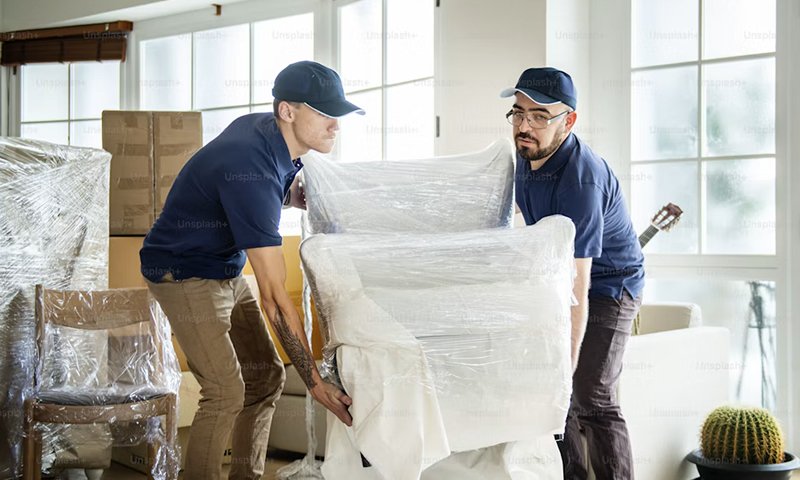
Moving household belongings safely requires more than placing possessions inside boxes and transporting them to another property. Furniture, appliances, electronics, decorative pieces, and personal belongings all have different handling requirements, and some items may need specialized protection during transportation. Large wardrobes, refrigerators, dining tables, mattresses, and sectional sofas can be particularly difficult to maneuver through narrow doorways, staircases, and hallways. Without suitable equipment and proper lifting techniques, these tasks can result in damaged furniture, scratched walls, broken possessions, or physical injuries. Professional moving services help address these challenges by organizing the handling process, protecting vulnerable items, and coordinating the transportation of belongings according to the household’s requirements.Another important advantage of professional assistance is the ability to manage time and responsibilities more effectively. When individuals organize every aspect of relocation independently, they may spend considerable time purchasing packing materials, preparing furniture, loading vehicles, making repeated trips, and arranging belongings after arrival. These responsibilities can interfere with work schedules, family activities, and other important commitments. Hiring experienced movers can reduce the physical demands of the process and allow household members to focus on tasks that require their personal attention. Although every relocation presents different challenges, combining professional support with careful preparation can improve coordination, reduce confusion, and help the move proceed according to a realistic schedule.
Creating a Detailed Moving Plan Before Relocation
A successful move begins with preparation well before the scheduled moving date. Establishing a clear plan allows homeowners and renters to identify important responsibilities, estimate the quantity of belongings, and organize tasks into manageable stages. The first step is to evaluate the contents of the property, including furniture, clothing, kitchen equipment, electronics, books, decorations, and storage items. This assessment provides a better understanding of the packing materials and transportation capacity required for the move. Once the volume of belongings has been estimated, individuals can determine which items need special handling, identify possessions that should be packed first, and communicate their requirements to the moving provider.A detailed checklist can make the planning process more effective because relocation involves several responsibilities beyond packing and transportation. These may include arranging utility transfers, updating mailing information, confirming access to the destination property, coordinating key collection, and notifying relevant service providers about the change of address. Families may also need to manage childcare, school arrangements, work commitments, and transportation for pets. Keeping these tasks organized helps prevent important details from being overlooked during the busiest stages of preparation. It is also useful to confirm the moving date, estimated arrival time, service requirements, and any special handling instructions with the chosen provider. Clear communication helps establish realistic expectations and allows everyone involved to prepare for moving day with greater confidence.
Decluttering Household Belongings Before Packing
One of the most effective ways to simplify relocation is to review household possessions before packing begins. Over time, homes often accumulate unused clothing, outdated electronics, duplicate kitchen equipment, old decorations, and furniture that no longer serves a practical purpose. Transporting these belongings unnecessarily increases the number of boxes, consumes transportation space, and creates additional work during unpacking. Decluttering gives individuals an opportunity to decide which possessions should remain part of their everyday lives and which items can be donated, sold, recycled, or discarded. By reducing unnecessary belongings before the moving process begins, households can make packing more efficient and create a more organized environment in the new property.A practical decluttering strategy involves reviewing one room at a time and separating belongings according to their intended use. Frequently used possessions should remain accessible, while seasonal items and rarely needed belongings can be packed earlier in the preparation process. Furniture should also be evaluated according to the size and layout of the destination property. A large cabinet that fits comfortably in one room may be unsuitable for a smaller bedroom, while an unused dining table may occupy space that could be better used for other purposes. Making these decisions before moving day helps reduce transportation requirements and allows individuals to focus their time and money on possessions that genuinely contribute to their comfort and daily routines.
Protecting Furniture and Fragile Possessions During Transportation
Proper packing plays an essential role in protecting household belongings from damage during relocation. Furniture can experience pressure, friction, and repeated handling while being carried through doorways, loaded into a vehicle, and unloaded at the destination. Wooden surfaces may become scratched, upholstery can become dirty, and delicate components may break when items are not protected appropriately. Furniture blankets, suitable wrapping materials, corner guards, and protective cushioning can help reduce these risks. Each item should be prepared according to its construction, size, and material, with particular attention given to glass panels, polished surfaces, decorative finishes, and removable components that require additional protection.Fragile belongings also require careful organization because different items have different packaging requirements. Glassware, ceramic dishes, mirrors, lamps, framed artwork, and electronic equipment should be packed in suitable containers with sufficient cushioning. Empty spaces inside boxes should be filled appropriately to prevent excessive movement during transportation, while heavy belongings should be distributed carefully so containers remain manageable to carry. Clear labeling helps identify the contents of each box and indicates the room where it should be placed after arrival. Important documents, medications, jewelry, keys, and other essential personal possessions should generally be kept separate from ordinary household boxes so they remain accessible throughout the relocation process. Careful packing reduces the likelihood of avoidable damage and makes unpacking more organized.
Choosing the Right Moving Company for Your Needs
Selecting an appropriate moving provider is an important decision that can influence the overall relocation experience. Every household has different requirements depending on the size of the property, the quantity of belongings, the transportation arrangements, and the amount of preparation already completed. Some customers may need help primarily with transportation and heavy lifting, while others may benefit from additional services such as packing, furniture preparation, loading, unloading, and placing larger items in designated rooms. Understanding these requirements before making a booking helps customers select suitable services without paying for assistance they do not need. It also allows the provider to prepare the appropriate equipment and resources for the scheduled move.When comparing providers, customers should consider reliability, communication, pricing transparency, and the scope of services offered. Requesting a written estimate makes it easier to understand what the quoted price includes and whether additional charges may apply for stairs, long carrying distances, packing supplies, furniture disassembly, temporary storage, or extra stops. Customers should also ask how scheduling changes are handled and what procedures apply if belongings are damaged during transportation. Reviewing available customer feedback and confirming the provider’s service details can offer useful information when making a decision. Choosing a moving company based on overall value rather than price alone helps customers establish clearer expectations and reduces the possibility of unexpected complications.
Managing Moving Expenses Without Compromising Quality
Relocation expenses can vary depending on the quantity of belongings, transportation requirements, labor, packing materials, property access, and the level of assistance needed. Creating a realistic budget before confirming arrangements helps households identify essential expenses and plan for optional services. Transportation, necessary labor, and protective materials for valuable belongings may represent important priorities, while additional packing assistance or storage can be selected according to individual circumstances. Comparing written estimates from suitable providers helps customers understand the differences between available options and identify costs that might not be immediately obvious.There are several practical ways to control expenses without compromising the safety of household possessions. Decluttering before packing reduces the number of items that need to be transported, while organizing belongings in advance can improve efficiency when packing assistance is not included. Customers may also ask providers about scheduling flexibility and whether alternative dates affect availability or pricing. However, choosing an unfamiliar provider solely because of an unusually low estimate can create problems if essential services or appropriate handling arrangements are missing. Maintaining a reasonable allowance for unexpected expenses, such as additional packing supplies, temporary storage, or necessary cleaning, helps households respond to changing circumstances without disrupting the entire moving plan.
Preparing for a Smooth and Organized Moving Day
Moving day becomes considerably easier when most preparation has already been completed. Boxes should be securely closed, labeled clearly, and grouped according to their destination rooms so loading and unloading can proceed systematically. Hallways, staircases, and doorways should remain clear to provide safe access for people carrying furniture and containers. Belongings that will not be transported should be separated from the moving inventory to prevent confusion. Preparing an essentials bag containing important documents, medications, phone chargers, toiletries, snacks, drinking water, and a change of clothing can also prevent inconvenience during the transition, particularly when the majority of household possessions remain packed.Communication is equally important when coordinating the activities of household members and the moving team. Movers should receive clear instructions about fragile items, oversized furniture, special handling requirements, and the placement of belongings at the destination. Furniture that requires disassembly should be identified in advance, and screws, brackets, and other small components should be stored in labeled bags to prevent them from becoming lost. Taking photographs of complicated furniture arrangements or electronic connections can make reassembly easier after arrival. Before leaving the original property, household members should inspect closets, cupboards, storage areas, garages, and outdoor spaces to make sure that no important possessions have been overlooked.
Preparing the New Home Before Belongings Arrive
Preparing the destination property before moving day can improve the efficiency of unloading, furniture placement, and unpacking. Whenever possible, homeowners and renters should inspect the property, clean important areas, verify that essential utilities are functioning, and identify maintenance concerns that need attention. Measuring doorways, staircases, and available furniture spaces can help determine whether large items will fit through access points and into their intended rooms. Planning furniture placement in advance also reduces the need to repeatedly move heavy objects after unloading. These preparations are particularly useful when the new property has a different layout, limited storage space, or rooms that require a different arrangement from the previous home.Organizing rooms before belongings arrive helps create a more structured unpacking process. Boxes can be labeled for the kitchen, bedrooms, bathrooms, living room, office, and storage areas so they reach their intended destinations. Essential furniture should be positioned first, allowing beds to be prepared and important household activities to resume as soon as possible. Families with children or pets should consider preparing a secure area away from active loading and unloading operations. By organizing these details before moving day, households can reduce unnecessary movement, protect their possessions, and create a more comfortable environment from the beginning.
How Professional Movers Improve Efficiency and Convenience
Professional moving assistance can be especially valuable when a household contains heavy furniture, delicate possessions, or a large volume of belongings that would be difficult to transport independently. Experienced teams can organize loading arrangements, distribute weight appropriately, and secure items to reduce shifting during transportation. Their familiarity with common moving challenges can also help them identify practical solutions when furniture must pass through narrow spaces or when property access is restricted. These advantages can reduce unnecessary handling and help the relocation proceed according to the planned schedule, although the exact benefits depend on the provider and the requirements of the individual move.Hiring reliable movers can also allow household members to concentrate on responsibilities that cannot easily be delegated. Updating important records, coordinating utility services, supervising property access, and managing family needs may require considerable attention throughout the moving day. Arranging professional assistance with the physical aspects of relocation helps individuals divide their responsibilities more effectively. Before the scheduled date, customers should discuss the inventory, timing, access arrangements, and special handling requirements so the moving team has accurate information. This preparation supports better coordination, helps establish clear expectations, and makes it easier to address potential problems before they affect the moving schedule.
Unpacking and Establishing Comfortable Daily Routines
Once belongings have arrived at the destination, unpacking should begin with the items that support everyday activities. Preparing beds, organizing bathroom supplies, arranging basic kitchen equipment, and locating frequently used personal belongings can make the property functional without requiring every box to be opened immediately. Less urgent possessions, including seasonal decorations, books, and rarely used appliances, can be unpacked gradually according to available time. This approach helps reduce exhaustion and allows household members to become familiar with their surroundings without feeling pressured to complete every task at once.After essential rooms have been organized, attention can shift toward storage arrangements, furniture placement, and the details that make a property feel comfortable. Packing materials should be collected for reuse, recycling, or appropriate disposal to prevent clutter from accumulating. Household members should inspect furniture, appliances, and fragile possessions for visible concerns and keep relevant moving documentation accessible if questions arise. It is also helpful to verify that internet access, security systems, utility services, and other essential arrangements are operating properly. Taking these steps gradually helps the new property become a functional and organized living space while allowing household members to resume their routines at a manageable pace.
Conclusion
A successful relocation depends on careful preparation, organized packing, reliable transportation, and clear communication throughout the moving process. From decluttering household belongings and protecting furniture to comparing service providers, managing expenses, and preparing the destination property, every stage contributes to a smoother transition. Professional moving assistance can reduce the physical demands of transporting household possessions while helping customers coordinate important responsibilities and maintain a realistic schedule. By planning ahead, communicating requirements clearly, confirming service details, and organizing essential belongings before moving day, individuals and families can approach relocation with greater confidence. A thoughtful moving strategy does more than transport possessions between properties; it helps protect valuable belongings, reduce unnecessary disruption, and make it easier to establish comfortable routines in a new home.