The desire to maintain a healthy, youthful, and refreshed appearance has encouraged significant developments in the beauty and personal care industry. Modern aesthetic services now offer a wide range of options designed to improve skin quality, address visible signs of aging, enhance natural features, and support individual beauty goals. From advanced skincare procedures and non-invasive facial treatments to personalized rejuvenation techniques, the industry continues to evolve through innovative technologies and improved treatment approaches. These developments have made professional aesthetic care more accessible to individuals seeking customized solutions that complement their natural appearance. However, achieving satisfactory results involves more than selecting a popular treatment. Understanding available procedures, evaluating professional qualifications, considering individual skin requirements, and following appropriate aftercare recommendations are all essential parts of the experience. Exploring the different aspects of advanced aesthetics helps individuals make informed decisions and choose treatments that support their personal goals while prioritizing safety, quality, and long-term skin health.
Understanding the Concept of Modern Aesthetic Treatments
Aesthetic treatments focus on improving physical appearance through professional procedures, skincare techniques, and specialized technologies. Unlike traditional beauty routines that generally involve everyday cosmetic products, modern aesthetic services may include advanced equipment, clinical skincare formulations, and treatments designed to address specific skin concerns. These services can help improve skin texture, reduce the appearance of fine lines, manage uneven pigmentation, and support a healthier-looking complexion.
One of the most important developments in the aesthetic industry is the shift toward personalized care. Every individual has different skin characteristics, concerns, sensitivities, and expectations. A treatment that works well for one person may not be appropriate for another. Professional consultations therefore play an important role in identifying suitable options and establishing realistic expectations.
Modern aesthetic care also emphasizes maintaining natural-looking results. Rather than dramatically changing someone’s appearance, many individuals prefer treatments that enhance existing features and support healthy skin. This approach encourages professionals to consider facial balance, skin condition, personal preferences, and long-term maintenance when recommending procedures.
Another important aspect is the combination of professional treatments with consistent skincare habits. Daily sun protection, gentle cleansing, appropriate moisturization, and healthy lifestyle practices can support the results of many aesthetic procedures. A comprehensive approach helps individuals maintain their skin rather than relying exclusively on occasional treatments.
The Growing Popularity of Advanced Skincare Solutions
Skincare has become an important part of modern aesthetic care because healthy skin provides the foundation for an attractive and refreshed appearance. Advances in cosmetic science have introduced specialized formulations and professional procedures designed to address a wide range of concerns. These include dryness, uneven texture, dullness, enlarged pores, fine lines, and visible signs of environmental damage.
Professional skincare treatments may involve exfoliation, hydration, skin conditioning, and targeted cosmetic formulations. Depending on individual requirements, aesthetic professionals may recommend treatments that support skin renewal or improve the appearance of specific concerns. The selection process should always consider skin type, sensitivity, medical history, and previous reactions to cosmetic products.
Ingredients such as hyaluronic acid, niacinamide, vitamin C, and certain retinoids are commonly used in skincare because they offer different cosmetic benefits. Hyaluronic acid helps attract and retain moisture, while niacinamide can support the skin barrier and improve the appearance of uneven tone. Vitamin C is frequently included in products designed to improve radiance, while retinoids may help address visible signs of aging and uneven texture.
Professional guidance is particularly valuable when introducing stronger skincare ingredients or combining multiple treatments. Excessive exfoliation and inappropriate product combinations can irritate the skin and interfere with its natural protective barrier. A carefully selected routine is generally more effective than using numerous products without a clear purpose.
Exploring Advanced Facial Treatments
Facial treatments are among the most popular services offered by modern aesthetic professionals. These procedures are designed to improve the appearance and condition of facial skin through cleansing, exfoliation, hydration, and specialized techniques. Depending on the selected service, a facial may help remove surface impurities, improve skin smoothness, and create a refreshed appearance.
Traditional professional facials often include cleansing, gentle exfoliation, extractions when appropriate, moisturizing products, and soothing masks. Advanced options may incorporate specialized equipment and targeted skincare formulations to address individual concerns. Hydrating facials, for example, focus on improving moisture levels and supporting a smoother-looking complexion.
Some treatments use controlled exfoliation to remove accumulated dead skin cells and improve surface texture. Others emphasize hydration and skin conditioning for individuals experiencing dryness or dullness. Certain professional services may also incorporate cooling techniques, specialized massage methods, or equipment designed to support the treatment process.
Before choosing a facial procedure, individuals should discuss their skin concerns with a qualified professional. Active irritation, certain skin conditions, and recent cosmetic procedures may affect which treatments are suitable. Personalized recommendations help ensure that the selected service is appropriate and that expectations remain realistic.
The Role of Non-Invasive Cosmetic Procedures
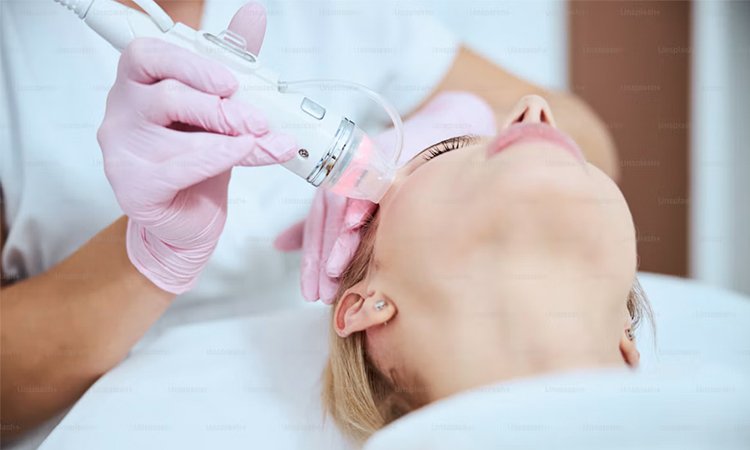
Non-invasive cosmetic procedures have become increasingly popular because many individuals want to improve their appearance without undergoing surgery. These treatments generally involve external devices, specialized formulations, or procedures that do not require major surgical intervention. Depending on the method, they may target skin texture, hydration, pigmentation, or the appearance of fine lines.
Examples include certain light-based treatments, professional exfoliation procedures, and selected energy-based technologies. These services are designed for different purposes, and their suitability depends on skin characteristics, treatment goals, and professional assessment. Some may require several sessions before visible improvements become noticeable.
One advantage of non-invasive options is that they may involve less downtime than surgical procedures. However, this does not mean they are completely risk-free. Temporary redness, sensitivity, swelling, or pigmentation changes may occur depending on the treatment and individual response.
Individuals should seek an appropriate consultation before proceeding with any cosmetic procedure. A qualified practitioner should explain the expected benefits, possible side effects, treatment limitations, and aftercare requirements. Understanding these details helps individuals make informed choices instead of relying on exaggerated advertising claims or unrealistic promises.
Understanding Skin Rejuvenation and Anti-Aging Treatments
Skin naturally changes with age, and factors such as genetics, sun exposure, environmental pollution, and lifestyle habits can influence how these changes appear. Fine lines, wrinkles, reduced elasticity, uneven pigmentation, and changes in skin texture are common concerns that encourage people to explore professional rejuvenation options.
Modern aesthetic care offers several approaches designed to improve the appearance of aging skin. Some treatments focus on hydration and surface renewal, while others use specialized technologies to support collagen-related processes. Collagen is an important structural protein that contributes to skin firmness and elasticity, although its natural production and organization change over time.
Professional exfoliation and selected skin-conditioning treatments may improve surface smoothness and brightness. Certain energy-based procedures are designed to stimulate changes within deeper skin layers, while other approaches focus on improving hydration and reducing the appearance of fine lines. The most appropriate treatment depends on individual skin condition and desired results.
It is important to understand that aesthetic procedures do not stop the natural aging process. Results vary, and some treatments require repeated sessions or maintenance appointments. A balanced approach that combines professional care, daily sun protection, and healthy skincare habits can help support the overall appearance of the skin over time.
Personalized Treatment Plans for Different Skin Types
Personalization is a major part of effective aesthetic care because skin does not respond identically to every procedure or product. Individuals may have oily, dry, combination, sensitive, or mature skin, and each category can involve different concerns. Even people with similar skin types may have different levels of sensitivity, pigmentation, hydration, and tolerance to active ingredients.
Oily skin may benefit from carefully selected products that help manage excess surface oil without causing unnecessary dryness. Dry skin generally requires greater attention to moisture retention and barrier support. Sensitive skin may need simpler formulations and more cautious treatment selection to reduce the possibility of irritation.
Individuals with combination skin may require different approaches for different areas of the face. For example, the forehead and nose may produce more oil, while the cheeks may experience dryness. Mature skin may benefit from treatments focused on hydration, texture, and the appearance of fine lines.
A professional assessment should consider these differences before recommending a treatment plan. Practitioners may also ask about previous cosmetic procedures, skincare products, allergies, medications, and relevant medical conditions. This information helps identify potential risks and determine whether a particular treatment is appropriate.
The Importance of Professional Qualifications and Treatment Safety
Safety should always be a priority when selecting aesthetic treatments. Although many cosmetic services are designed to improve appearance, some procedures involve specialized equipment, potent products, or techniques that require professional training. Choosing an appropriately qualified practitioner helps reduce avoidable risks and supports better treatment decisions.
Before undergoing a procedure, individuals should verify the practitioner’s qualifications, relevant experience, and authorization to perform the selected service. The facility should maintain appropriate hygiene standards, use properly maintained equipment, and follow established safety procedures. Products should be sourced responsibly, stored correctly, and used according to manufacturer instructions.
A professional consultation should include a discussion of treatment objectives, possible complications, contraindications, expected recovery, and alternative options. Individuals should feel comfortable asking questions and receiving clear explanations before agreeing to a procedure.
It is also important to be cautious about services that promise guaranteed results or claim to be completely risk-free. Every procedure has limitations, and individual outcomes can vary. Responsible practitioners explain these limitations honestly and avoid recommending unnecessary treatments.
If a procedure involves medical devices, prescription products, injections, or other medical interventions, it should be performed only by an appropriately licensed and trained healthcare professional within their authorized scope of practice. Prioritizing qualifications and safety helps individuals approach aesthetic care with greater confidence.
Modern Technology Transforming the Aesthetic Industry
Technological developments have introduced new possibilities for skincare professionals and aesthetic practitioners. Modern equipment can support more targeted treatment approaches, improve procedural consistency, and provide additional options for addressing different cosmetic concerns. These innovations have also encouraged greater interest in personalized treatment planning.
Light-based technologies are used in selected aesthetic procedures to address concerns such as visible pigmentation, redness, and unwanted hair. Laser treatments may be designed for skin resurfacing or other specific cosmetic applications. Radiofrequency devices are used in certain procedures intended to improve the appearance of skin firmness, while ultrasound-based technologies may be selected for particular tissue-related aesthetic goals.
Digital skin analysis is another developing area. Certain systems use imaging and specialized software to assess visible skin characteristics, helping practitioners identify concerns and monitor changes over time. These tools can support consultations, although they should not replace professional judgment or medical evaluation when needed.
Technology alone does not guarantee successful treatment. Equipment selection, practitioner training, device suitability, and patient assessment all influence safety and results. Individuals should ask which technology is being used, what it is intended to achieve, and whether it is appropriate for their skin characteristics.
Maintaining Healthy Skin Through Daily Skincare Habits
Professional treatments can support cosmetic improvements, but consistent daily skincare remains essential for maintaining healthy-looking skin. A suitable routine does not need to involve numerous expensive products. In many cases, a few carefully selected essentials can provide a practical foundation for long-term skin care.
Gentle cleansing helps remove dirt, sweat, excess oil, and cosmetic products without unnecessarily disrupting the skin barrier. Moisturizers help maintain hydration and reduce dryness, while sunscreen protects against ultraviolet exposure that contributes to premature skin aging and visible pigmentation changes.
Sun protection is particularly important because repeated ultraviolet exposure can affect collagen, contribute to uneven skin tone, and increase the risk of skin cancer. A broad-spectrum sunscreen with SPF 30 or higher is generally recommended for routine protection. It should be applied appropriately and reapplied according to product instructions, especially during extended outdoor activities.
Individuals may also benefit from introducing targeted ingredients according to their skin concerns. However, active products should be introduced gradually, particularly when using exfoliating acids or retinoids. Overusing active ingredients can cause irritation, redness, and dryness.
Consistency is more important than frequently changing products. A simple routine that suits an individual’s skin type and lifestyle can support better long-term results than an unnecessarily complicated collection of skincare products.
Combining Aesthetic Treatments With a Healthy Lifestyle
Lifestyle habits can influence skin appearance and overall well-being. Although professional treatments may address specific cosmetic concerns, maintaining healthy habits can support the skin’s natural functions and contribute to a refreshed appearance.
A balanced diet provides nutrients that support normal skin function. Foods containing vitamins, minerals, healthy fats, and antioxidants can contribute to general nutritional health. Fruits, vegetables, whole grains, nuts, and appropriate protein sources can form part of a balanced eating pattern.
Adequate hydration is also important for overall health, although drinking excessive amounts of water does not automatically eliminate wrinkles or correct every skin concern. Individuals should maintain hydration according to their personal needs and activity levels.
Quality sleep supports normal recovery processes and general well-being. Consistently inadequate sleep may contribute to a tired appearance and can affect overall health. Managing stress through physical activity, relaxation, and balanced routines may also support general wellness.
Avoiding smoking and limiting excessive alcohol consumption can further support long-term health and skin quality. These lifestyle measures do not replace professional treatment, but they can complement an appropriate skincare routine and contribute to healthier habits.
What to Expect During an Aesthetic Consultation
A professional consultation is an important first step before selecting an advanced cosmetic procedure. It allows the practitioner to understand the individual’s concerns, examine relevant skin characteristics, discuss treatment options, and determine whether the desired procedure is appropriate.
The consultation generally begins with questions about skincare habits, previous treatments, allergies, medical conditions, and personal expectations. Depending on the service, the practitioner may conduct a visual skin assessment or use specialized imaging equipment. This information helps establish a more individualized treatment recommendation.
A responsible professional should explain how the proposed treatment works, what results may realistically be expected, and how many sessions might be required. The discussion should also cover possible side effects, recovery time, aftercare instructions, and the estimated cost of the treatment.
Individuals should use this opportunity to ask questions about the practitioner’s experience, equipment, product quality, and safety procedures. They should never feel pressured into purchasing a package or agreeing to a procedure immediately.
Taking time to understand the treatment process helps build confidence and encourages informed decision-making. A suitable treatment plan should reflect individual needs rather than simply following popular beauty trends.
Understanding Treatment Costs and Long-Term Value
The cost of aesthetic treatments varies considerably depending on the procedure, technology, practitioner qualifications, treatment area, number of sessions, and facility standards. Basic skincare services may involve relatively modest expenses, while advanced device-based procedures and medical aesthetic treatments can require a larger investment.
When evaluating prices, individuals should consider what is included in the quoted amount. Some services may include consultation, treatment, follow-up appointments, and aftercare products, while others may charge separately for these components. Understanding the complete cost helps prevent unexpected expenses.
It is also important to evaluate long-term maintenance requirements. Certain treatments provide temporary improvements and may need to be repeated, while others may produce longer-lasting changes but still require appropriate skincare and follow-up care. The cheapest treatment is not necessarily the best option if it does not address the intended concern or involves inadequate professional standards.
Individuals should avoid making decisions based exclusively on promotional offers or discounted treatment packages. Practitioner qualifications, treatment suitability, hygiene standards, and transparent communication should remain the main priorities.
A well-considered investment focuses on safety, realistic outcomes, and overall treatment quality rather than the number of procedures included in a package.
Choosing the Right Aesthetic Clinic
Selecting an appropriate clinic is essential for a positive treatment experience. A professional facility should maintain high hygiene standards, provide clear information about its services, and employ practitioners with relevant qualifications and experience. Individuals should research the clinic before scheduling a procedure and review available information about its treatment methods and professional standards.
A trustworthy clinic should provide an appropriate consultation before recommending advanced treatments. Practitioners should explain the benefits and limitations of available options and discuss any potential risks. They should also be willing to recommend against a procedure when it is unsuitable for an individual’s skin condition or expectations.
The quality and suitability of equipment are equally important. Clinics using advanced devices should ensure that the equipment is maintained properly and that practitioners have received appropriate training. Treatment areas should be clean, and disposable materials should be handled responsibly.
Customer reviews may provide useful insights into communication, professionalism, and overall service quality, although individual experiences should not be treated as a guarantee of results. Asking questions and comparing professional qualifications can help individuals make a more confident decision.
The best clinic is not necessarily the one offering the greatest number of treatments. It is the one that prioritizes individual needs, safety, transparency, and responsible professional care.
The Future of Advanced Aesthetic Treatments
The aesthetic industry continues to develop as researchers, skincare professionals, and technology manufacturers explore new ways to improve treatment quality and personalization. Future developments are likely to place greater emphasis on individualized skin assessments, improved treatment precision, and technologies designed to address specific cosmetic concerns.
Artificial intelligence and digital imaging may support more detailed skin analysis and help practitioners monitor visible changes over time. Improvements in device technology may also provide additional treatment options for individuals seeking non-invasive cosmetic procedures. Meanwhile, developments in cosmetic formulations may introduce new combinations of ingredients designed to support hydration, skin barrier function, and overall appearance.
Another growing focus is the preference for natural-looking results and treatments that complement individual features. Many people are becoming more interested in maintaining healthy skin rather than pursuing dramatic changes. This has encouraged greater attention to preventive skincare, personalized consultations, and realistic treatment expectations.
Despite technological progress, professional judgment and responsible treatment selection will remain essential. New devices and cosmetic products should be evaluated according to available evidence, safety standards, and suitability for individual needs. The future of aesthetic care will depend not only on innovation but also on maintaining high standards of professional practice.
Conclusion: Making Informed Choices for Better Aesthetic Care
Advanced aesthetic treatments have created new opportunities for individuals who want to improve their skin’s appearance, address visible cosmetic concerns, and maintain a refreshed look. From professional facials and specialized skincare procedures to modern non-invasive technologies, the available options provide different approaches for achieving personal beauty goals. However, successful outcomes depend on careful treatment selection, professional qualifications, appropriate technology, and consistent aftercare.
Understanding individual skin requirements is essential before choosing any procedure. Professional consultations help identify suitable treatments, establish realistic expectations, and reduce avoidable risks. Combining appropriate aesthetic services with daily skincare, sun protection, healthy lifestyle habits, and regular maintenance can further support long-term skin health.
Ultimately, advanced aesthetics should focus on enhancing natural features while prioritizing safety, confidence, and individual well-being. By selecting qualified professionals, understanding available procedures, and making informed decisions, individuals can approach modern aesthetic care with greater confidence and achieve results that align with their personal expectations.