A comfortable indoor environment depends heavily on having a heating and cooling system that operates efficiently throughout the year. Ductless heating and cooling systems have become a popular choice for residential and commercial properties because they provide flexible temperature control without requiring traditional air ducts. These systems are particularly useful for individual rooms, home additions, offices, apartments, and spaces where installing conventional ductwork may be difficult or expensive. Their ability to provide targeted heating and cooling, combined with their energy-efficient operation and compact design, makes them a practical solution for many property owners. However, like any mechanical equipment, ductless systems can experience performance problems over time, making timely maintenance and professional repairs essential.
When a ductless system stops cooling properly, produces unusual sounds, leaks water, or fails to respond to thermostat settings, it can quickly affect indoor comfort. Ignoring these warning signs may allow minor problems to develop into more expensive equipment failures. Some issues are related to dirty filters or blocked airflow, while others may involve electrical connections, refrigerant levels, condensate drainage, sensors, or internal mechanical components. Understanding how these systems work and recognizing common warning signs can help property owners make informed decisions about maintenance and repairs. Professional ductless system repair focuses on identifying the underlying cause of a problem, restoring normal operation, and helping prevent recurring breakdowns. With appropriate servicing and timely attention, ductless systems can continue providing dependable temperature control for many years.
Understanding How Ductless Heating and Cooling Systems Work
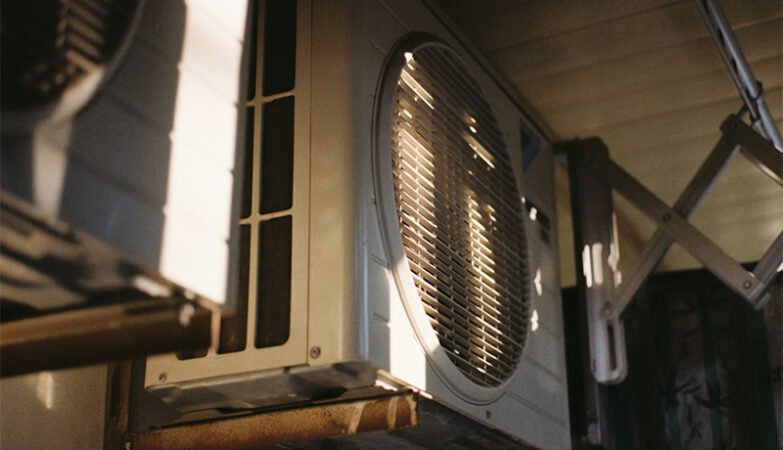
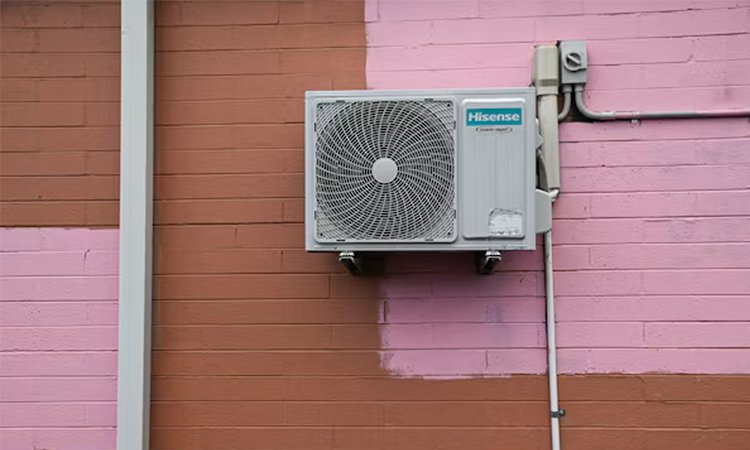
Ductless heating and cooling systems, commonly known as mini-split systems, are designed to regulate indoor temperatures without relying on an extensive network of air ducts. A typical system includes an outdoor unit containing important components such as the compressor and heat exchanger, along with one or more indoor units responsible for distributing conditioned air throughout the selected spaces. Refrigerant lines, electrical connections, and condensate drainage components connect the indoor and outdoor sections.
Unlike conventional central air conditioning systems that distribute conditioned air through ducts, ductless systems deliver heating or cooling directly into individual rooms. This arrangement allows property owners to control temperatures in different areas according to their preferences and occupancy requirements. Some systems support multiple indoor units connected to a single outdoor unit, making them suitable for properties that need independent temperature settings in several rooms.
Many modern ductless systems use inverter technology, which allows the compressor to adjust its operating speed according to the heating or cooling demand. Instead of constantly switching between full operation and complete shutdown, the system can regulate its output to maintain a more consistent indoor temperature. This approach may improve energy efficiency and reduce temperature fluctuations when the equipment is properly installed and maintained.
Understanding the basic components of a ductless system is useful when identifying potential problems. Indoor units contain filters, fans, coils, and control components, while outdoor units contain mechanical and electrical equipment that supports heat transfer. A problem in any of these areas can affect the performance of the entire system.
Common Signs That Your Ductless System Needs Professional Attention
Ductless systems often provide warning signs before a complete breakdown occurs. Recognizing these symptoms early can help property owners arrange appropriate servicing and reduce the risk of additional damage. One of the most noticeable signs is reduced heating or cooling performance. If the indoor unit operates continuously but the room does not reach the selected temperature, the system may have restricted airflow, dirty coils, sensor problems, or another underlying issue.
Unusual sounds are another indication that something may be wrong. Rattling, buzzing, grinding, or clicking noises can develop because of loose components, fan problems, electrical issues, or mechanical wear. Although some operating sounds are normal, sudden changes in noise should be investigated rather than ignored.
Water leaking from the indoor unit is another common concern. Ductless systems remove moisture from indoor air during cooling, and this moisture should normally drain through a condensate line. If the drainage system becomes blocked or damaged, water may collect inside the unit and eventually leak onto nearby walls or floors.
Unpleasant odors may also indicate a maintenance or repair issue. Dust, moisture, and biological growth inside the indoor unit can contribute to musty smells, particularly when filters and internal components have not been cleaned regularly.
Other warning signs include unexpected shutdowns, blinking indicator lights, communication errors between indoor and outdoor units, and unusually high electricity consumption. When these symptoms appear repeatedly, a professional inspection can help determine whether cleaning, component repair, or replacement is necessary.
The Importance of Timely Ductless System Repair
Addressing equipment problems as soon as they appear is important for maintaining reliable heating and cooling performance. A minor issue, such as restricted airflow or a partially blocked condensate drain, may seem insignificant initially but can affect the operation of other components if left unresolved. Reduced airflow can place additional strain on the system, while drainage problems may lead to water damage around the indoor unit.
Timely ductless system repair also helps protect the equipment from unnecessary wear. When a system operates with a faulty sensor, electrical problem, or refrigerant-related issue, it may struggle to maintain the desired temperature. Depending on the underlying fault, this can result in longer operating periods, inconsistent performance, and increased energy consumption.
Another important advantage is improved indoor comfort. A properly functioning ductless system maintains more consistent temperatures and provides the heating or cooling required for occupied spaces. This is especially valuable in rooms that experience significant temperature changes or have different heating and cooling requirements from the rest of the property.
Early professional attention can also make repairs more manageable. Some problems may be corrected through cleaning, drainage maintenance, or replacement of a relatively simple component. Delaying inspection can allow additional damage to develop, potentially increasing the complexity and expense of the repair.
Diagnosing Airflow Problems in Ductless Systems
Airflow is essential for effective heating and cooling because the indoor unit must circulate air across its heat exchanger to transfer thermal energy into or out of the room. When airflow becomes restricted, the system may struggle to maintain the selected temperature and operate less efficiently.
Dirty air filters are among the most common causes of reduced airflow. Filters collect dust, pet hair, and other airborne particles during normal operation. As debris accumulates, air movement through the unit becomes restricted. Regular cleaning or replacement according to the manufacturer’s instructions helps maintain proper airflow and supports indoor air quality.
Blocked indoor vents can also affect performance. Furniture, curtains, decorations, or other objects placed too close to the indoor unit may interfere with air distribution. Property owners should ensure that the unit has sufficient clearance and that airflow openings remain unobstructed.
Dirty evaporator coils and blower components may create additional restrictions. Dust and debris can accumulate on internal surfaces, reducing heat transfer and interfering with normal air circulation. Cleaning these components may require professional attention because delicate fins, electrical parts, and internal assemblies can be damaged by incorrect cleaning methods.
A technician can inspect the filters, blower assembly, coils, and airflow settings to determine the cause of the problem. Restoring proper circulation helps the system deliver more consistent temperatures and operate under appropriate conditions.
Refrigerant Problems and Their Effect on System Performance
Refrigerant is an essential part of a ductless heating and cooling system because it transfers heat between the indoor and outdoor environments. During cooling operation, refrigerant absorbs heat from indoor air and releases it outdoors. During heating operation, a heat pump system reverses the process to bring heat into the building.
When refrigerant levels are incorrect, the system may experience reduced performance. Common symptoms include insufficient cooling, longer operating cycles, unusual temperature differences, and certain error indications. However, these symptoms do not automatically confirm a refrigerant problem because restricted airflow, dirty coils, sensor faults, and other issues can produce similar results.
A refrigerant leak is a more serious concern because the system is designed to operate within a specific sealed circuit. Leaks may develop around connections, coils, or damaged refrigerant lines. Simply adding refrigerant without identifying and correcting the leak is not a proper long-term solution.
Refrigerant inspection, leak detection, recovery, and charging should be handled by appropriately qualified technicians using equipment suitable for the specific system. Refrigerant types and charging requirements vary between models, so technicians must follow the manufacturer’s specifications.
Professional diagnosis helps ensure that the system operates with the correct refrigerant charge and that any underlying leakage or mechanical problem is addressed. This supports efficient operation and reduces the possibility of repeated performance issues.
Repairing Water Leaks and Condensate Drainage Problems
Water leakage is a common problem that can affect ductless indoor units, particularly during periods of frequent cooling operation. As warm indoor air passes across the cold evaporator coil, moisture condenses and collects in a drainage pan. The condensate should then move through a drain line toward an appropriate discharge point.
If the drain line becomes blocked by dust, algae, debris, or other buildup, water may accumulate inside the unit. When the drainage pan overflows, moisture can drip onto nearby walls, flooring, furniture, or electrical components. A damaged drain connection or incorrectly positioned drainage line may create similar problems.
A professional technician will inspect the condensate pan, drainage line, connections, and installation slope to identify the source of the leakage. Cleaning the drainage system and correcting any damaged or improperly positioned components can restore proper water removal.
Property owners should not ignore repeated water leakage, even if the amount appears small. Continued moisture exposure may damage surrounding materials and contribute to mold growth. If water is leaking near electrical components, the equipment should be switched off when safe to do so, and a qualified technician should inspect it before operation resumes.
Regular cleaning and maintenance can help prevent many drainage problems. Keeping the indoor unit clean and arranging periodic professional inspections are useful ways to protect the equipment and surrounding property.
Electrical and Communication Problems in Ductless Systems
Ductless systems rely on electrical components and communication connections to coordinate the operation of their indoor and outdoor units. Problems with these components may prevent the system from starting, cause unexpected shutdowns, or produce warning indicators on the display.
Electrical issues can involve damaged wiring, loose connections, faulty control boards, defective capacitors, or problems with the power supply. Some systems also use communication wiring to exchange information between the indoor and outdoor units. If this communication is interrupted, the equipment may display an error code or stop operating correctly.
Property owners may notice symptoms such as a blank display, unresponsive remote control, repeated system resets, or an indoor unit that operates while the outdoor unit remains inactive. These symptoms require proper diagnosis because several different faults can produce similar behavior.
Electrical troubleshooting should be performed by qualified professionals. Opening electrical compartments or attempting repairs without suitable training can create serious safety risks and damage sensitive components. A technician can inspect the power supply, wiring connections, control boards, and communication circuits using appropriate diagnostic equipment.
Correctly identifying electrical problems helps prevent unnecessary component replacement and ensures that repairs address the actual cause of the malfunction. It also supports safer and more dependable equipment operation.
Understanding Thermostat, Remote Control, and Sensor Issues
Modern ductless systems use electronic controls and temperature sensors to maintain the selected indoor conditions. The remote control or wall-mounted controller allows users to select operating modes, adjust temperatures, control fan speeds, and configure timers. If these controls do not function correctly, the system may fail to respond as expected.
A simple issue may involve weak remote control batteries, incorrect operating settings, or an obstructed signal receiver. Before arranging a service appointment, property owners can check that the remote is operating correctly and that the system is set to the intended heating or cooling mode.
Temperature sensor problems can be more complicated. Sensors monitor indoor conditions and provide information that helps the system regulate its operation. If a sensor becomes damaged, disconnected, or inaccurate, the unit may cycle incorrectly or maintain an uncomfortable temperature.
Control board problems may also interfere with communication between the remote, indoor unit, and outdoor equipment. These faults generally require professional testing to determine whether the sensor, wiring, controller, or another component needs attention.
Accurate temperature sensing is essential for consistent comfort and efficient operation. Having control and sensor issues diagnosed correctly can restore normal system behavior and prevent unnecessary adjustments.
The Role of Preventive Maintenance in Avoiding Expensive Repairs
Preventive maintenance is one of the most effective ways to reduce the likelihood of unexpected ductless system breakdowns. Regular inspections and cleaning help keep the equipment in good condition while allowing technicians to identify developing problems before they cause major performance issues.
Air filters should be checked and cleaned according to the manufacturer’s instructions and the conditions in which the system operates. Homes with pets, frequent dust exposure, or heavy system usage may require more frequent attention. Clean filters support airflow and help prevent excessive dust accumulation inside the equipment.
The indoor and outdoor units should also be kept free from obstructions. Outdoor equipment needs adequate clearance for proper airflow, while indoor units should have unobstructed air intake and discharge areas. Leaves, dirt, grass, and other debris around the outdoor unit should be removed carefully.
Professional maintenance may include inspecting coils, cleaning drainage components, checking electrical connections, evaluating refrigerant performance, and reviewing system operation. The exact maintenance requirements depend on the equipment model and its operating conditions.
Preventive care does not eliminate every possible malfunction, but it can reduce avoidable wear, support better efficiency, and extend equipment service life. Establishing a consistent maintenance schedule is a practical way to protect the investment.
How to Improve the Energy Efficiency of a Ductless System
Energy efficiency is an important consideration for property owners because heating and cooling equipment can account for a significant portion of household electricity consumption. Ductless systems are often selected for their ability to provide targeted temperature control, but their efficiency depends on installation quality, equipment condition, and everyday operating habits.
One of the simplest ways to support efficient operation is to maintain clean filters. Restricted airflow can cause the system to work harder to provide the required heating or cooling. Regular filter maintenance helps the indoor unit circulate air more effectively.
Using appropriate temperature settings can also reduce unnecessary energy consumption. Extremely low cooling settings or excessively high heating settings may increase operating demand without providing meaningful additional comfort. Moderate settings that suit the occupants and indoor conditions are generally more practical.
Keeping doors and windows closed while the system operates helps reduce the amount of conditioned air lost to the surrounding environment. Proper insulation, window treatments, and sealing gaps around openings can further reduce heating and cooling demand.
The condition of the outdoor unit also matters. Leaves, vegetation, and other obstructions should be kept away from the equipment to support proper airflow. If the system continues operating inefficiently despite these measures, a professional inspection may identify dirty coils, sensor problems, refrigerant issues, or other faults affecting performance.
Repairing Single-Zone and Multi-Zone Ductless Systems
Ductless systems are available in different configurations depending on the size and layout of the property. Single-zone systems generally connect one indoor unit to one outdoor unit, making them suitable for individual rooms, offices, or smaller living spaces. Multi-zone systems connect multiple indoor units to a shared outdoor unit, allowing different areas to receive independently controlled heating or cooling.
Single-zone systems are generally more straightforward to diagnose because fewer indoor components are involved. However, problems with the outdoor unit, refrigerant circuit, electrical supply, or indoor controls can still affect overall performance.
Multi-zone systems require additional diagnostic attention because a problem may affect only one indoor unit or several connected zones. For example, one room may experience reduced cooling while other areas continue operating normally. This may indicate an issue with an individual indoor unit, its sensor, communication wiring, or another zone-specific component.
In some situations, the shared outdoor unit may be responsible for performance problems across multiple rooms. A technician must evaluate the system as a complete installation to determine whether the fault is isolated or affects the entire equipment setup.
Understanding the system configuration helps professionals identify the most appropriate repair approach. Correct diagnosis is particularly important for multi-zone equipment because replacing components without investigating the overall system can lead to unnecessary costs.
Factors That Influence Ductless System Repair Costs
The cost of repairing a ductless heating and cooling system depends on several factors, including the type of malfunction, equipment model, replacement component, labor requirements, and overall system condition. Minor issues involving cleaning or drainage maintenance may require less work than problems involving compressors, circuit boards, refrigerant leaks, or major electrical components.
The age of the equipment can also influence repair decisions. Older systems may have limited replacement-part availability, while newer models may use specialized electronic components that require specific diagnostic procedures. The availability and cost of compatible replacement parts can affect the final estimate.
Another important factor is the accessibility of the equipment. Indoor units installed in difficult-to-reach locations or outdoor units positioned in restricted spaces may require additional time and labor. Multi-zone systems can also involve more extensive troubleshooting because multiple indoor units and their connections may need to be evaluated.
Property owners should request a detailed repair estimate that explains the diagnostic findings, required replacement parts, labor charges, and any additional maintenance recommendations. It is also useful to ask whether the proposed repair addresses the underlying cause rather than simply correcting a visible symptom.
Comparing repair costs with the age, condition, and expected remaining service life of the system can help determine whether repair or replacement offers better long-term value.
Why Hiring an Experienced Ductless System Repair Technician Matters
Ductless heating and cooling equipment combines mechanical, electrical, and refrigeration components that must work together correctly. Professional experience is important because diagnosing a malfunction often requires more than identifying the part that appears to be causing trouble. A technician must understand how the different components interact and how one fault can affect the performance of the entire system.
An experienced technician can inspect the indoor and outdoor units, review error codes, test relevant electrical components, evaluate airflow, and examine the refrigerant circuit when necessary. This structured approach helps identify the actual cause of the problem and reduces the possibility of unnecessary repairs.
Professional technicians also understand the importance of using manufacturer-compatible components and following equipment specifications. Incorrect replacement parts or unsuitable repair methods can affect system performance and may lead to additional failures.
Safety is another important consideration. Electrical testing, refrigerant handling, and internal mechanical repairs require appropriate training and equipment. Qualified professionals can complete these tasks while following relevant safety procedures.
Before selecting a service provider, property owners should review the technician’s experience with ductless systems, ask about diagnostic procedures, and request a written explanation of recommended work. Choosing a knowledgeable professional can help restore reliable operation and provide greater confidence in the repair process.
When to Consider Replacing an Aging Ductless System
Repairing an existing ductless system is often a practical option, but replacement may become more economical when the equipment experiences repeated breakdowns or requires major component repairs. As systems age, their efficiency may decline, parts may become harder to obtain, and maintenance expenses may increase.
Frequent service calls are one indication that replacement should be considered. If the same equipment continues experiencing problems despite repeated repairs, property owners may benefit from comparing the total cost of future maintenance with the investment required for a newer system.
Reduced performance is another consideration. An older system that struggles to maintain comfortable temperatures may be operating inefficiently because of component wear, outdated technology, or equipment sizing issues. A replacement system with suitable capacity and modern efficiency features may provide improved comfort and lower operating costs.
Repair decisions should also consider the availability of replacement parts and the condition of major components. A relatively inexpensive repair may be worthwhile, while a costly compressor or control system replacement may require more careful evaluation.
A qualified technician can assess the equipment’s condition and explain the advantages and disadvantages of repairing or replacing it. The final decision should take into account the system’s age, repair history, efficiency, and the property’s heating and cooling requirements.
Final Thoughts on Maintaining Reliable Ductless Heating and Cooling Performance
Ductless system repair heating and cooling systems provide flexible temperature control, convenient operation, and efficient comfort for many residential and commercial environments. However, maintaining these benefits requires proper care and timely attention whenever performance problems develop. Issues involving restricted airflow, refrigerant leaks, blocked drainage, electrical faults, damaged sensors, and worn mechanical components can all affect the equipment’s ability to operate correctly.
Recognizing warning signs early and arranging professional ductless system repair can help prevent minor issues from developing into more complicated equipment failures. Proper diagnosis is essential because similar symptoms may have several different causes, and replacing components without identifying the underlying problem can result in unnecessary expenses.
Regular maintenance is equally important for protecting the system and supporting dependable operation. Cleaning filters, keeping equipment unobstructed, inspecting drainage components, and arranging professional servicing can improve performance and reduce avoidable wear.
Ultimately, investing in qualified repair services and consistent preventive maintenance helps protect your heating and cooling equipment while maintaining a comfortable indoor environment. With appropriate care, a ductless system can continue delivering reliable temperature control, improved convenience, and long-term value for your property.