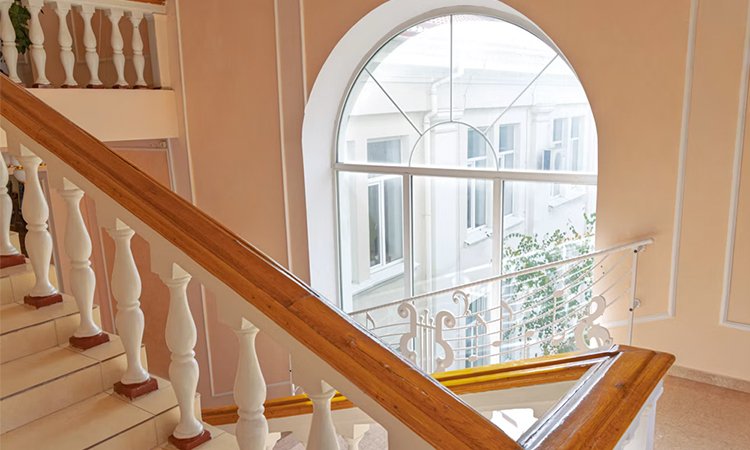
A fresh coat of paint can completely transform the appearance of a property, making ordinary spaces look cleaner, brighter, and more inviting. Whether it involves refreshing interior walls, improving exterior surfaces, updating ceilings, or giving an entire building a new appearance, professional painting plays an important role in property maintenance and visual improvement. Paint does more than enhance appearance; it also provides a protective layer that helps surfaces withstand everyday wear, moisture, sunlight, and other environmental conditions. A properly completed painting project can improve the atmosphere of a home or workplace while contributing to the property’s overall value and long-term condition.
However, achieving a smooth, attractive, and durable finish requires more than purchasing paint and applying it to a surface. Every successful project involves careful planning, appropriate product selection, detailed surface preparation, and the correct application techniques. Different materials require different treatments, and factors such as temperature, humidity, surface condition, and paint quality can influence the final result. Poor preparation or incorrect application may lead to peeling, cracking, uneven coverage, and premature discoloration. Hiring an experienced painter can help property owners avoid these problems by ensuring that every stage of the project receives proper attention. From selecting suitable colors and preparing surfaces to applying the final protective coats, professional workmanship makes a significant difference in the appearance and durability of painted areas.
Understanding the Importance of Professional Painting Services
Painting is one of the most effective ways to improve the appearance of residential and commercial properties without making major structural changes. Walls, ceilings, doors, windows, cabinets, fences, and exterior surfaces can all benefit from appropriate painting treatments. Over time, these surfaces may become faded, scratched, stained, or damaged because of regular use and environmental exposure. Applying fresh paint can restore their appearance and create a cleaner, more maintained environment.
Professional painting services are valuable because experienced specialists understand how different surfaces respond to various products and application methods. Interior drywall, wooden furniture, metal railings, concrete walls, and exterior siding each require specific preparation and paint formulations. Using the wrong product can result in poor adhesion, uneven finishes, or early deterioration. Professionals evaluate the surface condition before selecting suitable materials and preparing the area for application.
Another important benefit is consistency. Achieving uniform coverage across large walls, ceilings, and exterior surfaces can be challenging without the right equipment and experience. Professional techniques help reduce visible brush marks, roller patterns, paint drips, and uneven edges. Careful application creates a more polished appearance and helps ensure that the finished project meets the property’s design requirements.
Choosing the Right Paint Colors for Your Property
Color selection is one of the most important decisions in any painting project because it influences the overall atmosphere and appearance of a space. Different shades can create different visual effects, making rooms feel brighter, warmer, more spacious, or more relaxing. The best color choices depend on the property’s architectural style, available natural light, furniture, flooring, and personal preferences.
Neutral colors such as white, beige, cream, and soft gray are popular because they provide a versatile background that works with many interior styles. These shades can make rooms appear cleaner and more open while allowing furniture and decorative features to stand out. They are also useful when preparing a property for sale or rental because they appeal to a broad range of preferences.
Warmer colors can create a welcoming atmosphere in living rooms, dining areas, and other shared spaces. Soft earth tones, muted yellows, and warm neutral shades can make an environment feel comfortable and inviting. Cooler shades such as light blue, sage green, and soft gray are often selected for bedrooms and relaxation areas because they create a calm visual effect.
Exterior color selection requires additional consideration because paint must complement the surrounding environment and architectural features. Roof colors, brickwork, landscaping, windows, and neighboring structures can all influence the final appearance. Testing sample colors under different lighting conditions is a useful way to understand how a particular shade will look throughout the day. A carefully selected color scheme can improve the property’s appearance and create a consistent design.
Interior Painting for a Fresh and Comfortable Living Environment
Interior painting is an effective way to refresh living spaces and create an atmosphere that reflects the preferences of the occupants. Walls and ceilings are among the most noticeable surfaces inside a building, and their condition can influence how clean, comfortable, and organized a room appears. Over time, interior paint may become discolored because of sunlight, cooking fumes, moisture, fingerprints, and regular contact.
A successful interior painting project begins with evaluating the condition of the surfaces. Cracks, small holes, peeling paint, and uneven areas should be addressed before new paint is applied. Furniture and flooring must also be protected to prevent accidental stains or damage. Electrical fittings, switches, door handles, and other fixtures may need to be covered or removed where appropriate.
The selection of interior paint depends on the purpose of the room and the type of surface being painted. Matte finishes can help conceal minor surface imperfections, while satin and semi-gloss finishes are often preferred for areas that require easier cleaning. Kitchens, bathrooms, hallways, and children’s rooms may benefit from durable washable products that can withstand regular use.
Proper application is equally important. Paint should be distributed evenly, with suitable drying time between coats according to the manufacturer’s instructions. Consistent techniques around corners, edges, windows, and doors help produce a professional appearance. A well-executed interior painting project can make a property feel refreshed while improving the overall comfort of its living spaces.
Exterior Painting for Protection and Curb Appeal
Exterior surfaces are constantly exposed to environmental conditions, including sunlight, rain, wind, dust, temperature fluctuations, and moisture. These conditions can gradually damage painted surfaces, causing fading, cracking, blistering, and peeling. Exterior painting helps restore the property’s appearance while providing an additional protective layer against everyday environmental exposure.
Before exterior paint is applied, the surface must be inspected carefully. Loose paint, dirt, mildew, and damaged areas should be removed or treated using appropriate methods. Depending on the material, pressure washing, scraping, sanding, and surface repairs may be necessary. Any underlying moisture problems should also be addressed because painting over damp surfaces can lead to premature coating failure.
Choosing suitable exterior paint is essential for achieving lasting results. Products designed for outdoor use generally offer better resistance to sunlight, moisture, and temperature changes than ordinary interior paints. Different materials, such as wood, masonry, metal, and stucco, may require specialized primers and coatings.
Weather conditions also influence exterior painting. Applying paint during unsuitable temperatures, excessive humidity, or rainfall can interfere with drying and adhesion. Professional painters consider these factors when planning the project and follow the manufacturer’s recommendations for application conditions.
A properly maintained exterior finish can improve the appearance of a building and help protect its surfaces. It also contributes to curb appeal, which can be particularly valuable for property owners planning to sell, rent, or improve their buildings.
The Importance of Proper Surface Preparation Before Painting
Surface preparation is one of the most important stages of a professional painting project. Even high-quality paint may fail if it is applied over dirty, damaged, or poorly prepared surfaces. Preparation creates a suitable foundation that allows paint to adhere properly and produce a smooth, consistent finish.
The process usually begins with cleaning the surface to remove dust, grease, dirt, and other contaminants. Walls may require washing, while wooden surfaces may need sanding to remove rough areas and loose coatings. Metal surfaces should be inspected for rust, and masonry should be checked for moisture-related damage.
Cracks, holes, and uneven sections should be repaired using appropriate fillers or patching materials. Once the repairs have dried, sanding helps create a smoother surface and improves the appearance of the final finish. Dust should then be removed before primer or paint is applied.
Primer is particularly important when working with new drywall, bare wood, metal, repaired surfaces, or areas with significant color changes. It improves adhesion, helps create more uniform coverage, and may reduce the amount of finishing paint required. Some surfaces may need specialized primers to address stains, corrosion, or other specific conditions.
Skipping preparation may save time initially, but it often leads to disappointing results. Proper cleaning, repair, sanding, and priming help create a durable foundation and improve the overall quality of the finished painting project.
Understanding Different Paint Finishes and Their Applications
Paint finishes influence both the appearance and practical performance of painted surfaces. Selecting the correct finish is important because different areas experience different levels of activity, cleaning, and moisture exposure. Understanding the available options helps property owners make choices that balance appearance with functionality.
Matte or flat paint provides a non-reflective appearance that can help conceal minor surface imperfections. It is commonly used on ceilings and certain low-traffic interior walls. However, some matte finishes may be more difficult to clean than glossier alternatives.
Eggshell finishes offer a subtle amount of sheen and are often used in living rooms, bedrooms, and other general interior spaces. They provide a balance between a soft appearance and easier maintenance. Satin finishes have a slightly more noticeable sheen and are suitable for areas that require more frequent cleaning, such as hallways and family rooms.
Semi-gloss paint is often used on doors, trims, cabinets, and selected areas exposed to moisture because it generally offers a durable and washable surface. Gloss finishes provide a highly reflective appearance and are sometimes used for decorative details or specific furniture applications. However, they can highlight surface imperfections, making proper preparation especially important.
The appropriate finish depends on the surface material, room function, desired appearance, and manufacturer’s recommendations. A professional can explain the advantages of each option and help select products that provide suitable performance.
Painting Cabinets, Doors, and Decorative Woodwork
Cabinets, doors, baseboards, window frames, and other wooden features can significantly influence the appearance of an interior space. When these elements become scratched, faded, or outdated, repainting can provide an effective alternative to complete replacement. A fresh finish can modernize kitchens, improve storage areas, and create a more coordinated interior design.
Painting cabinets requires particularly careful preparation because their surfaces are exposed to frequent handling, moisture, grease, and cleaning products. Existing coatings must be evaluated to determine whether cleaning, sanding, or additional preparation is necessary. Suitable bonding primers help improve adhesion, while durable cabinet paints can provide a finish designed for regular use.
Doors and decorative woodwork also require attention to detail. Edges, corners, recessed panels, and trim sections must be painted carefully to avoid uneven buildup or visible brush marks. Removing hardware where appropriate can improve access and produce cleaner results.
The choice of color can dramatically influence the appearance of wooden features. Light colors can create a brighter, more open feeling, while darker shades may provide contrast and visual depth. Neutral cabinet finishes are often selected for their versatility, although bold colors can create distinctive design features.
With proper preparation and appropriate products, repainting cabinets and woodwork can refresh an interior without requiring extensive renovation work.
Common Painting Problems and How to Prevent Them
Painting problems often develop when surfaces are not prepared properly or application conditions are unsuitable. One common issue is peeling paint, which may result from poor adhesion, moisture exposure, contamination, or incompatible coatings. Before repainting, the underlying cause should be identified and corrected rather than simply covering the damaged area with another layer.
Blistering occurs when bubbles develop beneath the paint film. This may happen because of moisture trapped within the surface or excessive heat during application. Proper surface drying and suitable painting conditions help reduce the risk of blistering.
Cracking and flaking can develop when paint becomes brittle, when multiple incompatible layers are applied, or when the underlying surface moves. Removing unstable coatings and preparing the surface correctly can help prevent these problems from recurring.
Uneven coverage is another common concern, particularly when the wrong application technique is used or insufficient paint is applied. Using appropriate tools, maintaining a consistent application pattern, and allowing suitable drying time between coats can improve the result.
Visible roller marks, brush strokes, and paint drips can also affect the final appearance. These problems are generally reduced through careful application, proper tool selection, and attention to the manufacturer’s instructions. Understanding the causes of common painting defects helps property owners achieve better results and avoid unnecessary repainting.
Factors That Influence Professional Painting Costs
The total cost of a painting project depends on several factors, including the size of the property, surface condition, paint quality, number of coats, labor requirements, and project complexity. Painting a small bedroom may involve relatively little preparation and material, while repainting an entire commercial building can require extensive labor, equipment, and planning.
Surface preparation can have a major influence on pricing. Walls with cracks, peeling paint, water stains, or damaged plaster may require additional repair work before painting begins. Exterior surfaces may also need cleaning, scraping, sanding, and specialized protective treatments.
Paint selection is another important consideration. Standard products may be suitable for certain interior areas, while kitchens, bathrooms, exterior walls, and high-traffic spaces may require more durable formulations. Specialty coatings, decorative finishes, and premium products can increase material costs.
The number of coats required depends on the existing color, surface condition, primer selection, and desired finish. Dark colors may require additional coverage when changing to lighter shades, while newly prepared surfaces may require appropriate priming before finishing coats are applied.
Property owners should request a detailed estimate that explains preparation, repairs, materials, labor, and expected project timelines. Comparing quotations can help identify suitable options, but quality workmanship and appropriate materials should remain important considerations.
Why Hiring an Experienced Painter Makes a Difference
Choosing an experienced professional is an important part of achieving a successful painting project. Painting requires technical knowledge, attention to detail, and an understanding of how different products interact with different materials. An experienced specialist can evaluate surface conditions, recommend appropriate coatings, and select application methods that produce consistent results.
Professional painters also understand the importance of protecting the surrounding environment during the project. Furniture, flooring, fixtures, landscaping, and nearby surfaces may need suitable covering to prevent accidental damage. Careful preparation and organized work practices help keep the property cleaner and reduce unnecessary disruption.
Another advantage is efficient project management. Experienced professionals can estimate material requirements, organize the work schedule, and determine the correct sequence for preparing and painting different areas. This can be especially useful for larger residential and commercial projects where multiple rooms or exterior sections need attention.
Before selecting a service provider, property owners should review previous projects, ask about relevant experience, and request a written estimate. It is also helpful to discuss paint brands, product specifications, preparation procedures, warranties, and expected completion times. Clear communication helps establish realistic expectations and reduces the possibility of misunderstandings.
Hiring a qualified painter can provide greater confidence that the project will be completed using suitable materials and professional techniques.
Eco-Friendly Painting Options for Healthier Indoor Environments
Environmental considerations have become increasingly important in modern painting projects. Many property owners now prefer products that reduce unnecessary chemical emissions while providing reliable coverage and durability. Low-VOC and zero-VOC paints are available for certain applications and can help reduce the release of volatile organic compounds associated with some traditional coatings.
VOCs are chemicals that can evaporate into indoor air during and after application. Depending on the product and exposure conditions, these compounds may contribute to odors and indoor air quality concerns. Selecting suitable low-emission products, maintaining adequate ventilation, and following manufacturer instructions can help create a more comfortable painting environment.
Water-based paints are commonly used for many interior applications because they generally have lower odor levels and allow easier cleanup than many solvent-based alternatives. However, product selection should always be based on the surface, intended use, and required performance rather than environmental labeling alone.
Responsible material handling is also important. Unused paint should be stored, donated, or disposed of according to local regulations. Brushes, rollers, containers, and other materials should be cleaned or discarded appropriately to reduce unnecessary waste.
Choosing suitable environmentally considerate products can support a healthier indoor environment while still achieving an attractive and durable finish.
Maintaining Painted Surfaces to Extend Their Lifespan
After a painting project is completed, regular maintenance helps preserve the appearance and condition of the finished surfaces. Although quality paint provides protection, everyday activities, moisture, dust, sunlight, and accidental contact can gradually affect its appearance.
Interior walls should be cleaned carefully using methods appropriate for the selected paint finish. Gentle cleaning can remove fingerprints, dust, and minor stains without damaging the coating. Harsh chemicals and abrasive materials should be avoided unless the product manufacturer confirms they are suitable.
Exterior surfaces should be inspected periodically for signs of fading, cracking, peeling, and moisture damage. Gutters and drainage systems should also be maintained because water overflowing near exterior walls can contribute to coating deterioration. Vegetation should be trimmed where it comes into direct contact with painted surfaces, allowing better airflow and reducing trapped moisture.
Small chips and scratches should be repaired when practical to prevent further deterioration. Keeping leftover paint properly labeled and stored according to manufacturer instructions can make future touch-ups easier. It is also helpful to retain product details and color information for future maintenance.
Consistent care can extend the useful life of painted surfaces and help maintain the property’s appearance without requiring frequent complete repainting.
Final Thoughts on Achieving Beautiful and Long-Lasting Painting Results
Painter is an effective way to refresh a property, improve its appearance, and protect important surfaces against everyday wear and environmental exposure. Whether the project involves interior walls, exterior siding, ceilings, cabinets, doors, or decorative features, the quality of the finished result depends on careful preparation, suitable material selection, and correct application techniques.
Professional painting services provide valuable support throughout the process, helping property owners choose appropriate colors, prepare surfaces, select suitable finishes, and achieve consistent coverage. Addressing cracks, moisture problems, peeling coatings, and other surface defects before applying new paint is particularly important for long-term durability.
Regular maintenance also plays an important role in preserving painted areas. Cleaning surfaces appropriately, inspecting exterior coatings, and addressing minor damage promptly can help prevent larger problems and maintain an attractive appearance.
Ultimately, investing in quality materials and experienced workmanship can make a significant difference in the success of a painting project. A carefully completed paint job creates a cleaner, more comfortable, and visually appealing environment while helping protect the property for years to come.