A roof is one of the most important structural components of any residential or commercial property. It provides protection against rain, wind, sunlight, temperature changes, and other environmental conditions while contributing to the building’s overall appearance, energy efficiency, and structural stability. Although roofs are often overlooked when a property is in good condition, even minor roofing problems can develop into expensive repairs when they are not addressed promptly. From selecting suitable roofing materials to ensuring proper installation and scheduling regular inspections, every decision plays an important role in maintaining a durable and reliable roofing system. Working with an experienced roofing company can help property owners protect their investments and ensure that their roofs perform effectively for many years.
Whether someone is constructing a new home, renovating an existing property, or dealing with unexpected roof damage, professional roofing services provide valuable assistance throughout the process. Roofing projects involve several technical considerations, including structural assessments, waterproofing, ventilation, insulation, drainage, material selection, and installation techniques. Each component must work together to create a roofing system that can withstand environmental exposure and maintain its performance over time. Understanding the different roofing services available, recognizing common roofing problems, and knowing how to choose qualified professionals can help property owners make informed decisions and avoid unnecessary expenses.
Understanding the Importance of Professional Roofing Services
Professional roofing services involve much more than installing shingles or repairing visible damage. A properly designed roofing system must protect the building from moisture intrusion, manage temperature changes, support adequate ventilation, and provide structural reliability. Poor installation or unsuitable materials can create weaknesses that allow water to enter the building, damage insulation, weaken wooden components, and affect interior finishes.
Experienced roofing professionals understand how different materials and construction methods perform under varying environmental conditions. They can inspect existing roofing structures, identify potential weaknesses, recommend appropriate solutions, and complete installation or repair work according to established industry practices. Their expertise is particularly valuable when dealing with complicated roof designs, steep slopes, commercial buildings, and properties with previous water damage.
Hiring qualified specialists also helps improve project organization. Roofing work often involves several stages, including removing old materials, preparing the roof deck, installing protective barriers, fitting flashing, and completing the final roofing surface. Coordinating these activities correctly helps prevent installation mistakes and reduces the likelihood of future complications.
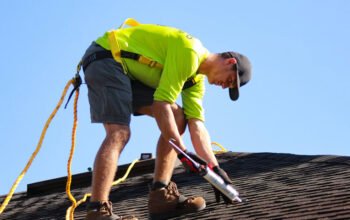
Another important advantage of professional assistance is access to suitable equipment and safety procedures. Roofing work involves heights, heavy materials, sharp tools, and potentially dangerous working conditions. Trained professionals understand the importance of appropriate protective equipment, secure access systems, and responsible work practices.
Different Types of Roofing Materials and Their Benefits
Choosing the right roofing material is one of the most important decisions in any roofing project. Different materials offer different advantages in terms of durability, appearance, installation costs, maintenance requirements, and resistance to environmental conditions. The best option depends on the building’s design, structural capacity, climate, and property owner’s long-term expectations.
Asphalt shingles are among the most commonly used roofing materials for residential properties. They are available in different colors, textures, and styles, making them suitable for a wide range of architectural designs. Asphalt shingles are generally relatively straightforward to install and can provide dependable protection when properly selected and maintained. However, their lifespan and performance depend on product quality, installation standards, and exposure to severe weather.
Metal roofing has become increasingly popular because of its durability, lightweight construction, and resistance to several environmental conditions. Materials such as steel and aluminum are commonly used in metal roofing systems. Metal roofs can reflect a portion of solar radiation, potentially reducing cooling requirements when combined with suitable insulation and ventilation. They are also available in different profiles and finishes, allowing property owners to achieve both traditional and contemporary appearances.
Tile roofing provides another attractive option, particularly for properties that require a distinctive architectural appearance. Clay and concrete tiles are known for their durability and resistance to weather exposure. However, these materials can be relatively heavy, meaning the building structure must be capable of supporting their weight.
Flat roofing systems are commonly used on commercial buildings, warehouses, and certain modern residential properties. Materials such as modified bitumen, EPDM, TPO, and PVC are designed for low-slope applications. Proper installation, drainage planning, and waterproofing are essential because standing water can increase the risk of leaks and deterioration.
Recognizing Common Roofing Problems Before They Become Serious
Roofing problems often begin with small defects that may not immediately appear serious. However, when these issues remain untreated, they can gradually affect larger sections of the roofing structure and create expensive repair requirements. Regular inspections help property owners identify early warning signs and arrange appropriate maintenance before extensive damage occurs.
Roof leaks are among the most common problems affecting residential and commercial buildings. Water may enter through damaged shingles, deteriorated flashing, cracked sealants, poorly installed roof penetrations, or compromised waterproofing membranes. Initial signs can include ceiling stains, damp insulation, peeling paint, and unexplained moisture inside upper-level rooms.
Missing, cracked, or curling shingles may indicate that the roofing material is deteriorating or has been affected by severe weather. Damaged shingles can expose the underlying roof structure to moisture and accelerate the deterioration of surrounding materials. Replacing individual damaged sections promptly may prevent more extensive repairs.
Poor drainage is another common concern, particularly on flat and low-slope roofs. Blocked gutters, clogged drains, and incorrectly positioned drainage systems can allow water to accumulate on the roof surface. Persistent standing water increases the likelihood of leaks and places additional stress on roofing materials.
Ventilation problems can also affect roofing performance. Inadequate airflow may contribute to excessive attic temperatures, moisture accumulation, and condensation. Over time, these conditions can damage insulation and wooden components while reducing the overall efficiency of the building.
The Importance of Regular Roof Inspections
Routine roof inspections are essential for maintaining the condition and performance of a roofing system. Even when there are no obvious signs of damage, inspections can reveal minor issues that may otherwise remain unnoticed until they become more expensive to repair. Property owners should consider arranging inspections periodically and after significant weather events that could affect the roof.
A professional inspection typically includes examining the visible roofing surface, flashing, gutters, drainage systems, roof edges, and accessible structural components. Specialists may look for cracked materials, loose fasteners, damaged sealants, water stains, corrosion, and signs of previous repairs.
The roof’s interior should also be considered when evaluating its condition. Attics and ceiling spaces can provide valuable information about moisture intrusion, insulation performance, ventilation, and structural deterioration. Damp insulation, mold growth, or water stains may indicate problems that are not visible from the exterior.
Inspection frequency depends on the roofing material, building age, environmental exposure, and previous maintenance history. Older roofing systems and buildings exposed to frequent severe weather may require closer monitoring.
Keeping inspection records is another useful practice. Photographs, maintenance reports, and details of completed repairs can help property owners understand how the roof changes over time and make better decisions about future maintenance or replacement.
Understanding the Roof Installation Process
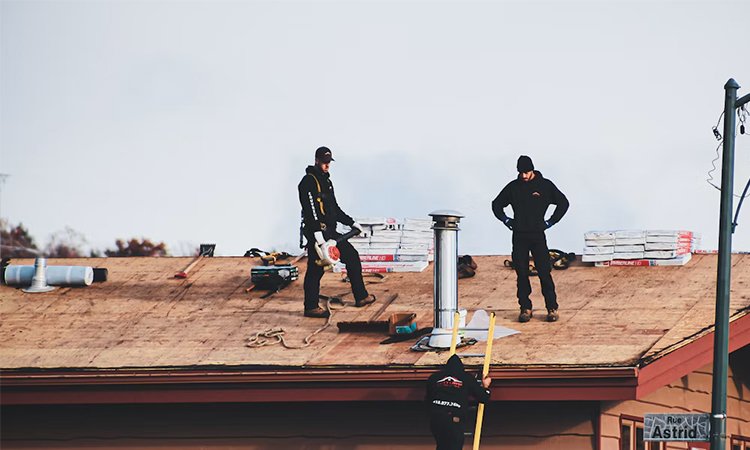
Roof installation is a detailed process that requires careful preparation, suitable materials, and accurate workmanship. Although installation procedures differ according to the selected roofing system, most projects involve several essential stages that contribute to the finished roof’s durability and performance.
Initial Inspection and Project Planning
The process begins with evaluating the building’s existing structure, roof dimensions, slope, drainage arrangements, and construction requirements. During this stage, professionals determine which materials are suitable and identify any structural concerns that may need attention before installation begins.
Property owners should also discuss their budget, preferred appearance, expected lifespan, and maintenance requirements. A clear project plan helps establish the scope of work, material specifications, estimated timeline, and necessary safety arrangements.
Removing Old Roofing Materials
When replacing an existing roof, damaged or deteriorated materials may need to be removed before new components are installed. This allows specialists to inspect the underlying roof deck and identify hidden problems such as rot, water damage, weakened supports, or deteriorated fasteners.
The removal process should be managed carefully to protect surrounding areas and ensure that old materials are handled and disposed of appropriately. If structural damage is discovered, the affected sections should be repaired before proceeding.
Preparing the Roof Deck
The roof deck provides the foundation for the new roofing system. It must be structurally sound, properly secured, and free from significant deterioration. Damaged or weakened sections should be repaired or replaced to create a stable installation surface.
Once preparation is complete, suitable underlayment and protective barriers can be installed according to the roofing system’s specifications. These layers provide additional protection against moisture and help improve the overall reliability of the roof.
Installing Roofing Materials and Flashing
The selected roofing materials are installed according to manufacturer instructions and appropriate construction standards. Proper alignment, fastening, overlapping, and sealing are essential for creating a consistent protective surface.
Flashing is installed around important transition areas, including chimneys, skylights, roof valleys, vents, and wall intersections. These areas require particular attention because they are common locations for water intrusion when installation is inadequate.
Final Inspection and Project Completion
After installation, the completed roof should be inspected to confirm that materials have been installed correctly and that flashing, drainage, and ventilation components are functioning as intended. Any remaining construction debris should be removed, and gutters should be checked to ensure that water can flow freely.
Property owners should receive relevant product information, warranty documents, and maintenance recommendations before the project is considered complete.
Roofing Repair Services That Protect Your Investment
Roof repairs are an important part of property maintenance because they help restore the protective performance of damaged roofing systems. Depending on the nature of the problem, repairs may involve replacing missing shingles, fixing damaged flashing, sealing appropriate joints, repairing roof penetrations, or addressing localized waterproofing failures.
Minor repairs should never be treated as an excuse to ignore underlying structural problems. For example, repairing a visible ceiling stain without identifying the original source of water may allow moisture to continue entering the building. Similarly, applying sealant over deteriorated roofing materials may provide only temporary relief if the damaged components require replacement.
Professional repair services begin with identifying the cause and extent of the problem. Specialists assess whether the damage is limited to a small section or indicates wider deterioration. They can then recommend whether a targeted repair, partial replacement, or complete roofing replacement would provide the most practical long-term solution.
Emergency roofing repairs may also be necessary following storms, fallen branches, or unexpected structural damage. Temporary protective measures can help reduce additional water intrusion until permanent repairs are completed. Property owners should avoid climbing onto damaged roofs themselves, particularly during wet or windy conditions.
Improving Energy Efficiency Through Proper Roofing
A well-designed roofing system can contribute significantly to a building’s energy performance. Roof surfaces receive substantial exposure to sunlight, and heat transfer through the roof can affect indoor temperatures and the workload placed on heating and cooling systems.
Roof insulation helps reduce unwanted heat transfer between the building’s interior and exterior. In warmer conditions, appropriate insulation can limit the amount of heat entering occupied spaces, while in colder conditions it helps retain indoor warmth. The correct insulation type and thickness depend on the building design, climate, and applicable construction requirements.
Roof ventilation is equally important. Proper airflow can help remove excess heat and moisture from attic spaces, reducing the likelihood of condensation and protecting roofing components. Ventilation arrangements should be designed carefully because poorly balanced airflow can create additional moisture or temperature problems.
Reflective roofing materials and coatings may also improve energy efficiency in suitable applications. Light-colored or specially designed reflective surfaces can reduce solar heat absorption. However, their effectiveness depends on the material, roof design, insulation, and surrounding environmental conditions.
Combining appropriate insulation, ventilation, and roofing materials can improve indoor comfort while potentially reducing long-term energy consumption.
Residential and Commercial Roofing Requirements
Residential and commercial roofing projects often involve different construction requirements, even though both serve the same fundamental purpose of protecting the building. Residential properties commonly feature pitched roofs, shingles, tiles, or metal panels. Their designs may prioritize architectural appearance, insulation, weather resistance, and compatibility with surrounding homes.
Commercial buildings frequently use flat or low-slope roofing systems because these designs provide practical space for mechanical equipment, ventilation systems, and other building services. Their larger roof areas can also create additional drainage and maintenance challenges.
Commercial roofing requires particular attention to waterproofing, load considerations, drainage capacity, and access for maintenance. Materials such as TPO, EPDM, PVC, and modified bitumen are commonly selected for suitable commercial applications because they offer different combinations of flexibility, durability, and weather resistance.
A professional roofing company should understand the specific requirements of the property type and recommend materials and installation methods accordingly. Selecting a system based solely on its initial price may result in higher operating and maintenance expenses over time.
Choosing a Reliable Roofing Company for Your Project
Selecting the right service provider is essential for achieving a durable roofing installation or repair. Property owners should look beyond advertising claims and evaluate a company’s experience, workmanship, professional standards, and ability to complete projects according to agreed specifications.
One of the first steps is reviewing previous projects. A portfolio of completed roofing installations can provide insight into the company’s experience with different materials, roof designs, and property types. Customer reviews and references may also help reveal whether the company communicates effectively, respects project schedules, and handles unexpected problems responsibly.
Licensing and insurance should be checked according to applicable local requirements. Roofing work involves significant safety risks, and appropriate insurance coverage can help protect property owners against certain liabilities associated with construction activities.
Written estimates should include a clear breakdown of materials, labor, removal costs, installation procedures, and additional services. Property owners should also ask about warranties, estimated completion dates, payment schedules, and procedures for handling changes to the original project.
Communication is another important consideration. A reliable professional should explain technical recommendations in understandable language and answer questions without making unrealistic promises. Clear communication helps establish trust and reduces misunderstandings throughout the project.
Understanding Roofing Costs and Budget Planning
Roofing costs vary depending on the building’s size, roof design, material selection, labor requirements, accessibility, and overall condition of the existing structure. A simple repair involving a small damaged section will generally require less work than a complete replacement involving structural repairs and extensive material removal.
Material costs are influenced by product quality, durability, availability, and installation complexity. Asphalt shingles may offer a more economical initial option in certain applications, while metal, tile, and specialized commercial roofing systems may involve different upfront investments.
Labor expenses can also increase when roofs have steep slopes, complicated architectural details, multiple penetrations, or difficult access conditions. Additional work involving roof decking, insulation, ventilation, gutters, and flashing should be included in the project budget.
Obtaining several detailed estimates can help property owners understand the expected investment. However, the lowest quotation is not necessarily the best choice. Inexpensive materials, incomplete installation procedures, or limited warranty coverage can create additional expenses later.
A realistic budget should consider the roof’s expected lifespan, maintenance requirements, and potential long-term savings rather than focusing exclusively on the initial installation price.
The Role of Roof Maintenance in Extending Its Lifespan
Regular maintenance helps preserve roofing materials and reduces the likelihood of unexpected failures. Even high-quality roofing systems require periodic attention because exposure to sunlight, rain, wind, temperature changes, and environmental debris gradually affects their condition.
Gutters and downspouts should be kept clear to ensure that rainwater can drain away from the building. Blocked drainage systems can cause water to accumulate around roof edges and potentially enter the underlying structure. Roof valleys and drainage outlets should also be inspected for debris.
Property owners should monitor visible roofing materials for loose fasteners, damaged shingles, cracked tiles, deteriorated sealants, and signs of corrosion. Vegetation growing near or on the roof should be managed appropriately because branches and accumulated organic debris can contribute to surface damage and moisture retention.
Attic ventilation and insulation should also be checked periodically. Excessive humidity, condensation, or unusually high attic temperatures may indicate that ventilation arrangements require attention.
Scheduling maintenance before major weather seasons can help identify vulnerabilities and reduce the likelihood of emergency repairs. Consistent care allows property owners to address small problems early and maintain better control over long-term roofing expenses.
Conclusion
A durable and dependable roof is essential for protecting a property, maintaining indoor comfort, and preserving the building’s overall value. From selecting suitable materials and completing professional installations to identifying damage and arranging regular maintenance, every aspect of roofing requires careful attention. Understanding common roofing problems, energy efficiency considerations, installation procedures, and repair options helps property owners make informed decisions throughout the life of their roofing systems.
Working with an experienced roofing company in Campbell, can simplify the process by providing professional assessments, suitable material recommendations, reliable installation methods, and practical maintenance guidance. Rather than focusing only on the initial price, property owners should consider workmanship, durability, warranties, ventilation, waterproofing, and long-term performance. With proper planning and professional support, a roofing system can provide dependable protection, improve the appearance of a property, and deliver lasting value for many years.