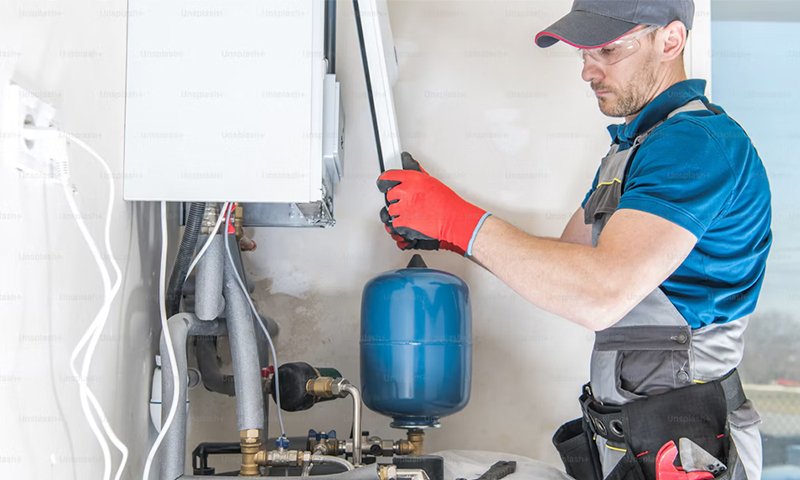
Introduction to Water Heater Repair and Maintenance
A reliable water heater is an essential part of everyday comfort, providing hot water for bathing, washing dishes, cleaning, and many other household activities. When a water heater stops working properly, even simple routines can become inconvenient and frustrating. Problems such as inconsistent temperatures, unusual noises, leaking connections, and insufficient hot water may indicate that the system needs professional attention. Timely water heater repair helps identify the underlying cause of these issues, restore normal operation, and prevent minor faults from developing into more expensive problems. Understanding how your water heater works and recognizing common warning signs can make it easier to maintain a dependable hot water supply. Water heaters operate through different technologies, including conventional storage tanks, tankless systems, electric models, and gas-powered units. Each type has its own components, maintenance requirements, and potential problems that can affect performance over time. Sediment buildup, worn heating elements, faulty thermostats, damaged valves, and aging components are among the issues that can interfere with efficient operation. Regular inspections and appropriate maintenance help keep these systems working as intended. By addressing problems early and choosing qualified professionals for complicated repairs, homeowners can improve reliability, manage energy consumption, and extend the useful life of their equipment.
Understanding How a Water Heater Works
A water heater supplies heated water to fixtures and appliances throughout a property. Traditional storage tank models heat and store a specific volume of water, maintaining its temperature until it is needed. Electric models generally use heating elements, while gas-powered systems use a burner to transfer heat to the water. Thermostats and safety controls help regulate the temperature and maintain appropriate operating conditions. Understanding these basic components makes it easier to recognize why a problem with one part can affect the entire system. Tankless water heaters work differently because they heat water as it flows through the unit rather than storing a large supply in a tank. These systems can provide continuous hot water within their designed capacity, but their performance depends on proper installation, suitable water flow, and regular maintenance. Mineral deposits can accumulate inside the heat exchanger, while sensors, ignition components, or flow controls may develop faults. When a water heater does not operate as expected, the correct repair method depends on its technology, age, condition, and the symptoms being experienced.
Common Signs That Your Water Heater Needs Repair
One of the most noticeable signs of a water heater problem is a sudden reduction in hot water availability. You may find that the water becomes cold more quickly than usual or that the temperature changes unexpectedly during a shower. These symptoms can result from a faulty thermostat, a damaged heating element, excessive sediment accumulation, or a system that no longer meets the household’s hot water requirements. In some cases, the issue may involve a malfunctioning control system rather than a major component failure. Identifying the symptoms accurately helps a technician determine the most appropriate solution. Another warning sign is unusual noise coming from the water heater, especially popping, rumbling, or banging sounds during operation. These noises may occur when sediment collects at the bottom of a storage tank and interferes with normal heat transfer. Water around the base of the unit, visible corrosion, rusty hot water, or a persistent unusual smell can also indicate developing problems. A qualified technician can assess whether the system needs maintenance, component replacement, or more extensive repairs. If you notice a gas smell, a carbon monoxide alarm, or signs of overheating, prioritize safety and follow the appropriate emergency procedures rather than continuing to operate the appliance.
Common Causes of Water Heater Problems
Water heater performance can decline for several reasons, including normal wear, mineral accumulation, electrical faults, and problems with temperature controls. In storage tank systems, sediment may build up as minerals settle out of the water during heating. This layer can reduce heating efficiency, increase operating noise, and contribute to additional stress on the equipment. Heating elements can also deteriorate, while thermostats may fail to regulate temperatures correctly. When these components stop working as intended, the system may produce insufficient hot water or consume more energy than necessary. Other problems can develop around valves, pipe connections, electrical wiring, and fuel supply components. Loose connections or deteriorated fittings may lead to leaks, while a malfunctioning pressure relief valve can compromise safe operation. Gas-powered units may experience ignition failures, blocked vents, or problems with combustion controls. These issues should be assessed by a qualified professional because incorrect repairs can create serious hazards. A careful diagnosis helps determine whether a component can be safely restored or whether replacement is the more appropriate long-term option. This is particularly important when symptoms appear intermittently or involve several parts of the system.
Electric Water Heater Repair and Troubleshooting
Electric water heaters rely on heating elements, thermostats, electrical connections, and safety controls to produce hot water. If the water remains cold, the problem may involve a tripped circuit breaker, a failed heating element, or a malfunctioning thermostat. Some units contain separate upper and lower heating elements, so a fault in one component can affect the amount of hot water available. However, symptoms alone cannot confirm which part has failed. A trained technician can carry out appropriate electrical tests and determine whether a component needs adjustment or replacement. If an electric water heater stops heating, homeowners should avoid opening electrical compartments or touching internal wiring. You may check the external controls and look for obvious signs of a power interruption, provided it is safe to do so and the manufacturer’s instructions permit it. Repeatedly resetting a breaker without identifying the cause is not a reliable solution and may indicate a more serious electrical issue. Water around electrical components requires particular caution because contact can create a risk of electric shock. Professional diagnosis helps ensure that the electrical supply, heating elements, and safety controls operate correctly before the appliance is returned to service.
Gas Water Heater Problems and Safety Considerations
Gas water heaters use a burner and associated control systems to heat water, making correct combustion and ventilation essential for safe operation. Problems may include a pilot light that will not remain lit, ignition failures, burner performance issues, or faults involving the gas control valve. Restricted ventilation and damaged exhaust components can also interfere with safe operation. Because these systems involve combustible fuel and potentially dangerous combustion gases, repairs should be handled by a suitably qualified professional who understands the equipment and applicable safety requirements. Homeowners should never attempt to dismantle gas controls, modify fuel connections, or bypass safety devices to restore hot water. If you smell gas, avoid operating electrical switches or creating flames, leave the affected area, and contact the appropriate emergency gas service from a safe location. If a carbon monoxide alarm sounds, move everyone to fresh air and seek emergency assistance. These situations require immediate attention rather than ordinary troubleshooting. Regular professional inspections can help identify ventilation problems, deteriorating components, and other concerns before they create a dangerous situation.
Water Heater Leaks and Pressure Problems
Water around a water heater should never be ignored because it may indicate a loose connection, a leaking valve, condensation, or a damaged storage tank. Small leaks can gradually damage flooring, walls, cabinets, and nearby building materials if they remain unnoticed. The location of the water can offer clues about the source, but a proper inspection is often necessary to establish the cause. A leaking pipe connection may be repairable, while a corroded tank with a structural leak usually requires replacement. Understanding the difference can help homeowners avoid spending money on repairs that cannot provide a lasting solution. Pressure-related problems can also affect water heater safety and performance. Temperature and pressure relief valves are designed to release excess pressure or temperature under specified conditions, helping protect the tank from dangerous operating conditions. If a valve is leaking, discharging frequently, or appears damaged, it should be assessed by a qualified professional. Never cap, plug, or disable a relief valve to stop a leak, as doing so can create a serious safety hazard. A technician can evaluate the valve, system pressure, expansion control, and other relevant components to determine the appropriate corrective action.
The Importance of Professional Water Heater Repair
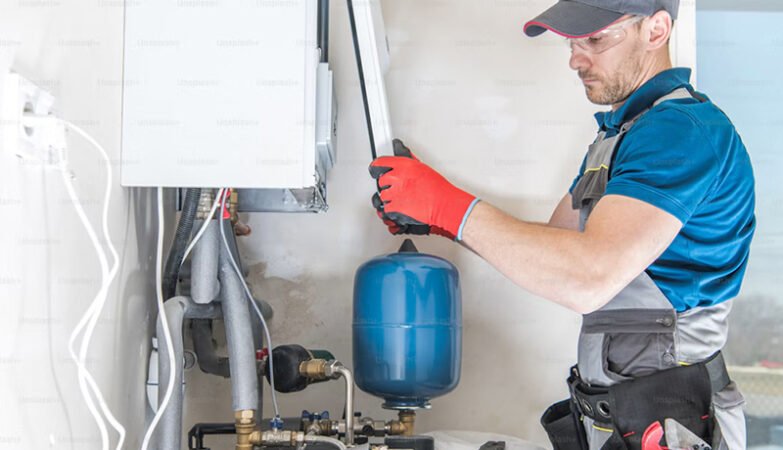
Although some water heater maintenance tasks are straightforward, repairing internal components often requires specialized knowledge and suitable tools. Electric units can contain dangerous voltages, while gas-powered systems involve fuel connections, combustion, and ventilation requirements. Attempting to repair these components without the necessary training can result in electrical injury, gas leaks, water damage, or equipment failure. Professional technicians understand how to isolate the relevant systems, test components, and identify the cause of a malfunction. Their experience also helps prevent unnecessary part replacements and repeated service visits. Professional water heater repair usually begins with an examination of the unit’s symptoms, installation, connections, and visible components. Depending on the problem, the technician may test thermostats, heating elements, ignition systems, safety controls, valves, or other relevant parts. Once the cause has been identified, the available repair options can be explained along with their expected costs and benefits. A dependable technician should also discuss whether the unit’s age and condition make repair worthwhile. Choosing qualified assistance can help restore reliable performance while ensuring that important safety requirements are considered throughout the process.
Preventive Maintenance for Better Water Heater Performance
Routine maintenance can help reduce sediment accumulation, identify worn components, and keep a water heater operating more reliably. The appropriate maintenance schedule depends on the model, the manufacturer’s recommendations, local water conditions, and how heavily the system is used. Storage tank systems may require periodic flushing when the procedure is suitable for the unit, while tankless models may need descaling to remove mineral deposits from the heat exchanger. These tasks should be completed according to the manufacturer’s guidance and by a qualified professional whenever the procedure involves safety risks or unfamiliar equipment. Homeowners can also help maintain performance by paying attention to unusual sounds, changes in water temperature, visible corrosion, and signs of leakage. Keeping the area around the water heater clear allows for appropriate access and helps prevent combustible materials from being stored too close to gas equipment. Temperature settings should follow the manufacturer’s instructions and household safety requirements, balancing comfort, energy use, and the risk of scalding. Periodic inspections may reveal small problems before they lead to a complete loss of hot water. Consistent maintenance supports dependable operation and may reduce the likelihood of unexpected breakdowns.
Improving Energy Efficiency and Reducing Operating Costs
An inefficient water heater can increase household energy expenses without providing better hot water performance. Sediment accumulation, deteriorating insulation, incorrect temperature settings, and aging components can all contribute to unnecessary energy use. In some situations, a faulty thermostat or heating element may force the system to work longer than necessary to reach the desired temperature. Addressing these problems can help restore normal operation and reduce avoidable energy consumption. However, the potential savings depend on the equipment’s condition, household usage, energy prices, and the type of repair performed. Homeowners can also reduce hot water demand through practical everyday habits. Installing efficient showerheads, repairing dripping hot water taps, using appropriate laundry settings, and choosing water-efficient appliances can reduce unnecessary consumption. Insulating suitable hot water pipes may help limit heat loss during distribution, provided the materials and installation comply with applicable safety requirements. When a water heater is older or consistently inefficient, comparing the cost of repair with the benefits of a modern replacement may be worthwhile. A qualified professional can explain which improvements are likely to provide meaningful benefits for the particular system.
Choosing a Reliable Water Heater Repair Professional
Selecting a qualified technician is important because water heaters combine plumbing, heating, and sometimes electrical or gas systems. Look for professionals who have relevant experience with your type of equipment and can explain the diagnostic process clearly. Depending on local regulations and the nature of the work, appropriate licensing, insurance, and specialized qualifications may also be important. Customer reviews can provide useful information about communication, punctuality, workmanship, and the handling of unexpected costs. Taking time to evaluate these factors can help you choose a provider who understands both the technical and safety requirements of the job. Before authorizing work, request an estimate that explains labor, replacement parts, diagnostic fees, and any additional charges that may apply. Ask whether the proposed repair includes testing the system after the work is completed and whether a warranty covers the parts or labor. A reliable professional should explain why a particular component needs attention and whether another option would be more cost-effective. Be cautious of anyone who recommends replacing expensive components without providing a reasonable explanation. Clear communication helps homeowners compare service options and make informed decisions about maintaining their hot water system.
Repairing or Replacing an Aging Water Heater
When a water heater develops a problem, repair is not always the most economical long-term choice. The decision depends on the unit’s age, overall condition, energy efficiency, repair history, and the cost of the required work. A relatively new unit with a failed thermostat or replaceable heating element may be a good candidate for repair. However, repeated breakdowns, extensive corrosion, a leaking tank, or a shortage of suitable replacement parts may indicate that replacement is more practical. Comparing the expected repair expense with the cost and benefits of a new unit can help clarify the best option. Modern water heaters may offer improved insulation, better control systems, or more efficient heating technologies, depending on the model selected. Nevertheless, replacement involves more than choosing an appliance with a suitable capacity. Installation requirements, household hot water demand, fuel availability, ventilation, electrical supply, and the condition of existing plumbing should all be considered. A qualified installer can evaluate these factors and recommend an appropriate system. Making the decision based on long-term reliability, safety, and operating costs can help prevent repeated expenses and provide a more dependable hot water supply.
Conclusion: Maintaining an Efficient Hot Water System
A dependable water heater supports everyday comfort by providing the hot water needed for bathing, cleaning, cooking, and other essential household activities. When the system develops faults, recognizing the warning signs and addressing the underlying cause promptly can prevent unnecessary inconvenience and additional damage. Common issues include sediment buildup, faulty thermostats, damaged heating elements, leaking connections, and problems involving gas or electrical controls. Regular maintenance and careful attention to unusual changes can help homeowners identify developing problems before they become more serious. Professional water heater repair offers a practical way to diagnose faults, restore suitable performance, and determine whether a system should be repaired or replaced. Choosing a qualified technician, requesting a clear estimate, and following the manufacturer’s maintenance recommendations can improve reliability and help manage long-term costs. Safety should always remain the priority, particularly when a problem involves gas, electricity, leaks near electrical components, or abnormal pressure. By combining preventive maintenance with timely professional assistance, homeowners can enjoy more consistent hot water, protect their property, and keep their plumbing equipment operating as efficiently as possible.