Introduction to Professional Furniture Painting
Furniture is an essential part of every well-designed interior because it combines practical functionality with visual appeal. Tables, chairs, cabinets, wardrobes, shelves, and storage units contribute to the overall atmosphere of a room, but their appearance can deteriorate over time because of scratches, fading, stains, and everyday use. Replacing these items can be expensive, especially when the furniture remains structurally sound and continues to serve its purpose. Professional painting provides an effective way to refresh existing pieces, introduce new colors, and create a coordinated interior design. Furniture shop painting is a practical option for people who want to improve the appearance of their furniture while maintaining its usefulness. With suitable paint products, careful surface preparation, and professional application techniques, outdated furniture can become an attractive feature that complements modern interiors and provides lasting decorative value.
Understanding the Importance of Furniture Painting
Furniture painting involves more than simply applying a new color to an existing surface. It requires an understanding of different materials, coating systems, preparation methods, and finishing techniques to achieve a smooth and durable result. Wooden furniture may need sanding, filling, and priming, while metal furniture often requires corrosion treatment and suitable protective coatings. Laminated surfaces can require specialized primers because their smooth finishes may prevent ordinary paint from adhering properly. Professional painters assess the furniture’s condition before choosing materials and determining the best application method. The final finish may be matte, satin, semi-gloss, or high-gloss, depending on the preferred style and intended use. Properly completed furniture painting can improve visual consistency, help protect suitable surfaces from everyday wear, and extend the useful life of furniture that would otherwise look outdated.
Benefits of Professional Furniture Painting Services
One of the biggest advantages of professional furniture painting is the ability to improve existing furniture without purchasing completely new pieces. Many cabinets, tables, chairs, and wardrobes remain functional long after their original finishes become dull, damaged, or unfashionable. Applying a suitable new coating can help restore their appearance while allowing customers to retain furniture that already fits their needs. Professional services can also provide more consistent coverage, cleaner edges, and smoother finishes than poorly prepared do-it-yourself projects. Another benefit is the flexibility to select colors and decorative styles that complement changing interior preferences. Through furniture shop painting, customers can coordinate multiple furniture pieces to create a more unified appearance throughout their interiors. When the surface is prepared correctly and compatible products are used, professional painting can provide an attractive, cost-conscious alternative to replacing furniture that remains in good condition.
Choosing the Right Paint for Different Furniture Materials
Selecting the correct paint is essential for achieving a durable and attractive finish because different materials have different surface characteristics. Wooden furniture can often be painted with suitable acrylic, enamel, or specialized furniture coatings, depending on the desired appearance and level of protection. Metal furniture may require a corrosion-resistant primer followed by a compatible topcoat to help prevent rust and deterioration. Laminated furniture generally needs thorough cleaning, suitable surface preparation, and a primer designed to improve adhesion on smooth materials. Previously painted pieces should also be inspected to determine whether the existing coating is stable enough to retain or needs removal. Factors such as frequent handling, moisture exposure, cleaning requirements, and indoor or outdoor use should influence the choice of paint. Reviewing manufacturer instructions and consulting an experienced painter helps ensure that the selected products are suitable for the furniture and its intended environment.
The Role of Surface Preparation in Achieving Smooth Finishes
Surface preparation is one of the most important stages of any furniture painting project because even high-quality paint may fail when applied to an unsuitable surface. Dust, grease, polish, and other contaminants should be removed thoroughly before work begins. Scratches, small holes, damaged edges, and loose coatings may require sanding, scraping, or filling to create a more even surface. Sanding helps smooth rough areas and prepares the existing finish for the next coating, while a suitable primer can improve adhesion and support more consistent color coverage. The preparation method depends on the furniture’s material, age, previous finish, and current condition. Once the surface has been prepared, it should be cleaned carefully to remove sanding dust and other particles. Skipping these steps can lead to peeling, uneven coverage, visible imperfections, and premature coating failure, making thorough preparation essential for professional-quality results.
Modern Furniture Colors and Interior Design Trends
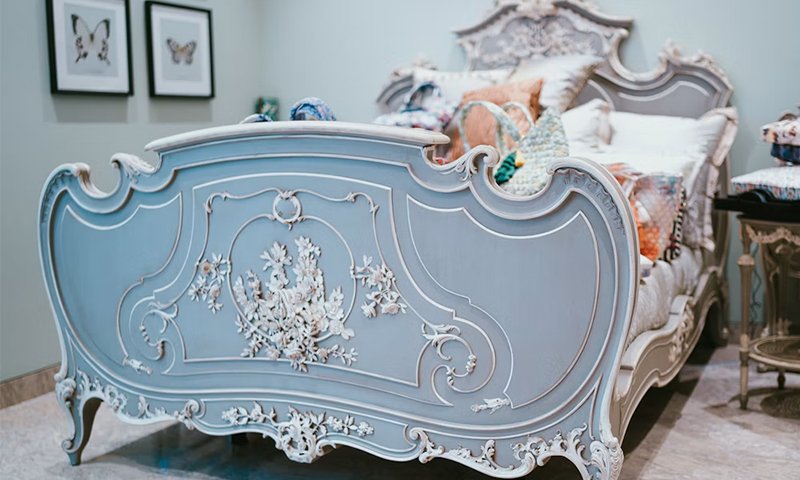
Color selection has a major influence on how furniture looks and how it complements the surrounding interior. Neutral shades such as white, cream, beige, and gray remain popular because they work well with many decorative styles and create a balanced appearance. Darker colors, including navy, charcoal, and deep green, can add contrast and make selected furniture pieces stand out. Soft pastel shades may suit bedrooms, decorative cabinets, and interiors that benefit from a lighter atmosphere. Two-tone designs are another popular option, allowing different colors to be applied to cabinet frames, drawers, tabletops, or chair components. Furniture shop painting allows customers to explore these creative possibilities while coordinating furniture with wall colors, flooring, lighting, and accessories. Before selecting a final shade, it is helpful to test samples under different lighting conditions because natural and artificial light can affect how a color appears throughout the day.
Exploring Different Decorative Furniture Finishes
The type of finish selected for furniture affects its overall appearance, cleaning requirements, and suitability for everyday use. Matte finishes provide a subtle, contemporary look and reflect less light than glossy alternatives. Satin finishes offer a gentle sheen that works well for many cabinets, tables, and frequently handled pieces. Semi-gloss and high-gloss coatings produce a more reflective appearance and can complement modern furniture designs, although they may make surface imperfections more noticeable. Distressed finishes can create a traditional or vintage effect, while carefully selected contrasting colors can highlight decorative details and furniture shapes. The most appropriate option depends on the furniture’s design, surface condition, and expected level of use. Customers should also consider how easily the finish can be cleaned and maintained. Discussing the available options with a professional painter helps create a balance between decorative appeal, durability, and practical requirements.
Refreshing Kitchen Cabinets and Storage Furniture
Kitchen cabinets and storage units often experience frequent handling, grease exposure, moisture, and regular cleaning, making preparation and coating selection particularly important. Cabinet doors, drawers, handles, and removable components should be organized before painting to help achieve a consistent finish. Grease and residue must be removed thoroughly, while damaged coatings and uneven areas may require sanding and repair. Applying an appropriate primer can improve adhesion, and a compatible topcoat can provide the desired color and surface protection. Similar methods can refresh wardrobes, bookcases, sideboards, shelving units, and other storage furniture. Customers should allow sufficient drying and curing time before reinstalling hardware or returning painted components to regular use. Furniture shop painting can help transform outdated storage units into attractive features that complement a refreshed interior. Proper preparation, compatible products, and careful handling are essential for maintaining an even finish on doors, drawers, and other frequently touched surfaces.
Furniture Painting for Commercial and Business Interiors
Commercial interiors often require furniture that looks professional while remaining suitable for regular use. Offices, retail spaces, reception areas, studios, and hospitality environments may contain desks, chairs, cabinets, tables, and display units that benefit from periodic refinishing. A coordinated color scheme can create a more organized appearance and help maintain a consistent visual identity throughout the business. Painting can also be a practical alternative when existing furniture remains functional but no longer matches updated design preferences. The selected coating should be suitable for frequent handling, regular cleaning, and the material being painted. Businesses should consider drying time, ventilation, and project scheduling to minimize disruption during the work. Professional planning helps ensure that furniture is prepared and coated correctly before being returned to service. Maintaining attractive furniture can contribute to a welcoming environment for employees, customers, visitors, and clients.
Professional Painting Techniques and Application Methods
Different painting techniques can be used according to the furniture’s shape, material, and desired finish. Brushes are useful for detailed areas, corners, decorative features, and smaller pieces that require precise control. Rollers may work well on larger flat surfaces when the selected paint and roller type are compatible. Spray application can provide smooth and consistent coverage on many furniture components, particularly when doors, panels, and removable pieces can be prepared separately. However, spraying requires suitable equipment, adequate ventilation, protection against overspray, and an experienced operator. The painter must also control coating thickness and follow manufacturer instructions regarding application conditions and drying intervals. Some projects benefit from combining different application methods to achieve complete coverage without visible brush marks, drips, or uneven textures. Selecting the correct technique helps improve the appearance and quality of the finished furniture while reducing the likelihood of costly corrections.
Factors That Influence Furniture Painting Costs
The cost of a furniture painting project depends on several factors, including the size and quantity of the items, the condition of their surfaces, the selected paint products, and the complexity of the design. Furniture with extensive scratches, peeling coatings, water damage, or intricate decorative details may require additional preparation and labor. Premium paints, specialized finishes, spray application, and extra protective coats can also influence the total price. Larger projects involving multiple cabinets or furniture sets require more materials and careful coordination, while smaller items may still need considerable setup time. Customers should request a detailed quotation that explains surface preparation, primer requirements, paint products, the number of coats, and any additional finishing services. Comparing the complete scope of work helps customers understand the value being offered rather than choosing a service solely because of its lowest initial price. Proper budgeting also allows customers to select finishes that meet their design preferences and practical requirements.
Maintaining Painted Furniture for Long-Term Beauty
Regular maintenance helps preserve the appearance and performance of painted furniture. Dusting with a soft cloth prevents particles from accumulating and making surfaces look dull. For routine cleaning, a lightly dampened cloth and mild cleaning solution are often suitable, provided they are compatible with the coating. Abrasive pads, excessive moisture, and harsh chemicals should be avoided unless the paint manufacturer confirms that they are safe for the finish. Spills should be cleaned promptly to reduce the possibility of staining or surface damage. Furniture exposed to prolonged direct sunlight may need additional consideration because some coatings can fade over time. Protective pads beneath decorative objects and careful handling of cabinet doors and drawers can help reduce scratches and chips. Allowing newly painted furniture to cure fully before placing heavy objects on it is also important. Following these maintenance practices helps preserve the finish and may reduce the need for frequent repainting.
Common Mistakes to Avoid During Furniture Painting
Several common mistakes can reduce the quality and durability of a furniture painting project. Applying paint over dirty or greasy surfaces can prevent proper adhesion and cause the coating to peel. Skipping sanding or suitable primer application may result in uneven coverage, particularly on glossy, laminated, or previously coated materials. Applying excessively thick coats can create drips, ridges, and longer drying times, while rushing between coats may damage the underlying finish. Choosing paint that is unsuitable for the furniture’s material or intended use can also lead to premature deterioration. Another common problem is returning furniture to regular use before the coating has cured sufficiently. These issues can be minimized by following manufacturer instructions, using appropriate tools, and allowing sufficient drying time between coats. Careful preparation, correct product selection, and a systematic application process help achieve a smooth finish and reduce unnecessary repair work.
Environmental and Safety Considerations
Furniture painting should be carried out with attention to indoor air quality, safe material handling, and responsible waste management. Some paints and primers release volatile organic compounds during application and drying, so low-emission products may be preferable for certain indoor projects. Adequate ventilation is important, and users should follow product instructions concerning protective equipment and safe re-entry into the work area. Sanding older furniture can produce fine dust, while some very old coatings may contain hazardous substances that require specialized assessment and handling. When the composition of an existing finish is uncertain, professional advice should be obtained before aggressive sanding or removal. Leftover paint, contaminated cleaning materials, and empty containers should be handled according to manufacturer instructions and applicable disposal requirements. Responsible working practices help protect painters, occupants, and the surrounding environment while supporting a cleaner and safer project.
Why Professional Expertise Makes a Difference
Professional expertise can be particularly valuable when furniture has complex details, damaged surfaces, or demanding durability requirements. Experienced painters understand how to prepare different materials, select compatible primers, control coating thickness, and achieve consistent color and sheen. They can also identify problems such as unstable existing finishes, moisture damage, and corrosion that may need attention before painting begins. A professional service may have access to specialized equipment and suitable work areas that support smoother application and better control over dust. When considering furniture shop painting, customers should ask about previous projects, preparation procedures, product specifications, and the expected completion schedule. A detailed quotation should identify the services included and explain any limitations. Reviewing experience, materials, and workmanship helps customers make informed decisions and increases the likelihood of achieving a finish that meets their expectations.
Conclusion
Professional furniture painting offers an effective way to refresh existing pieces, improve interior design, and extend the useful life of furniture that remains structurally sound. By selecting suitable paints, preparing surfaces carefully, and using appropriate application techniques, customers can achieve attractive finishes that complement different decorative styles. Furniture shop painting can transform outdated cabinets, worn tables, chairs, wardrobes, and storage units into coordinated pieces with improved visual appeal and useful surface protection. However, the quality and durability of the result depend on material compatibility, surface preparation, paint selection, curing time, and ongoing maintenance. Customers should consider their preferred colors, expected usage, budget, and cleaning requirements before beginning a project. With thoughtful planning and professional workmanship, painted furniture can provide a cost-conscious alternative to replacement while helping create stylish interiors and long-lasting decorative finishes.