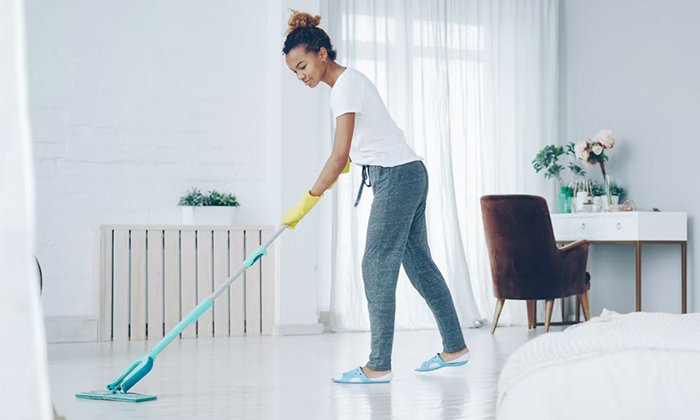
Maintaining a clean home is essential for creating a comfortable, healthy, and welcoming living environment. Dust, dirt, food particles, and everyday clutter can gradually accumulate in different areas, making regular household maintenance an important part of daily life. A consistent cleaning routine helps keep surfaces presentable, reduces unpleasant odors, and makes living spaces more enjoyable for everyone. Standard cleaning provides a practical approach to managing everyday mess without requiring extensive deep-cleaning procedures every time. By understanding the essential tasks involved and developing a reliable schedule, homeowners and tenants can maintain a tidy property while saving time and effort.
Understanding the Basics of Everyday Home Cleaning
Everyday home maintenance focuses on the tasks necessary to keep frequently used spaces clean and organized. These activities typically include dusting furniture, wiping countertops, cleaning sinks, vacuuming floors, removing rubbish, and maintaining bathrooms. Although individual tasks may seem simple, completing them consistently prevents dirt from accumulating and becoming more difficult to remove. A regular routine also makes it easier to identify developing problems, such as persistent moisture, stains, or damaged surfaces, before they require more extensive attention. A well-planned standard cleaning routine concentrates on maintaining general cleanliness rather than addressing every hidden corner or stubborn stain in detail. For example, wiping kitchen counters after meal preparation helps remove food residue, while regularly cleaning bathroom fixtures reduces the buildup of soap deposits and everyday grime. Vacuuming carpets and sweeping hard floors can also prevent loose dirt from spreading throughout the property. These practical habits support a comfortable environment and help household members maintain better organization without spending excessive time on individual chores.
Why Regular Cleaning Matters for a Healthy Environment
A clean living environment can contribute to better comfort and general household hygiene. Dust, crumbs, pet hair, and other debris may accumulate on furniture, floors, and frequently touched surfaces when cleaning is neglected. Regularly removing this material helps keep rooms presentable and reduces the amount of visible dirt throughout the property. Cleaning also provides an opportunity to notice spills, leaks, damaged materials, and other issues that might otherwise remain unnoticed during busy daily routines. Consistent cleaning is particularly important in kitchens and bathrooms because these areas are exposed to food residue, moisture, and frequent use. Wiping kitchen surfaces helps remove leftover food particles, while cleaning bathroom fixtures prevents the unnecessary accumulation of grime and soap residue. Frequently touched areas, including door handles, light switches, and cupboard pulls, should receive appropriate attention as part of ordinary household maintenance. Establishing these habits helps create a fresher environment and makes it easier to maintain a comfortable home throughout the year.
Creating a Practical Cleaning Schedule
A realistic cleaning schedule helps prevent household chores from becoming overwhelming. Instead of attempting to clean the entire property in one session, divide responsibilities into manageable daily and weekly tasks. Daily activities may include washing dishes, wiping kitchen counters, making beds, and removing rubbish, while weekly responsibilities may involve vacuuming all rooms, cleaning bathrooms, and dusting furniture. Organizing these activities according to household needs makes it easier to maintain consistency without disrupting work, family responsibilities, or personal time. The schedule should reflect the size of the property, the number of occupants, and the amount of daily activity in each room. Homes with children or pets may require more frequent floor cleaning and additional attention to frequently used surfaces. Smaller households may find that fewer cleaning sessions are necessary, particularly when everyone follows basic tidiness habits. Standard cleaning becomes more manageable when responsibilities are shared among household members and each person understands which tasks they are expected to complete.
Keeping Kitchens Clean and Organized
The kitchen is one of the busiest areas in most homes, making regular maintenance especially important. Food preparation can leave grease, crumbs, spills, and fingerprints on countertops, cabinet doors, appliances, and nearby surfaces. Wiping these areas after cooking helps prevent residue from accumulating and keeps the kitchen ready for its next use. Dishes should be washed promptly, rubbish should be removed regularly, and food should be stored properly to maintain an organized cooking environment. Appliance exteriors, sinks, taps, and dining surfaces should also be included in the regular kitchen routine. Cleaning the microwave interior when spills occur can prevent food residue from becoming difficult to remove, while wiping refrigerator handles helps maintain frequently touched surfaces. Floors should be swept or vacuumed to collect crumbs before they spread into other rooms. During standard cleaning, it is important to use products suitable for each surface and avoid mixing chemicals that could release dangerous fumes. These simple habits help maintain a neat kitchen while supporting everyday household hygiene.
Maintaining Clean and Fresh Bathrooms
Bathrooms require regular attention because moisture, soap, and frequent use can quickly affect their appearance. Sinks, taps, toilets, mirrors, and shower surfaces should be cleaned according to their materials and condition. Removing water marks and soap residue regularly helps prevent visible buildup and keeps fixtures looking presentable. Bathroom floors should also be swept or cleaned to remove hair, dust, and other debris that can collect around corners and beneath cabinets. Ventilation plays an important role in maintaining a comfortable bathroom environment. Opening a window or using an exhaust fan when appropriate can help reduce excess moisture and support faster drying after showers. Towels should be allowed to dry properly, rubbish bins should be emptied, and frequently touched fixtures should be wiped as needed. A consistent bathroom routine reduces the need for intensive cleaning sessions and makes it easier to keep the space fresh. Cleaning products should always be used according to their labels, and bleach should never be mixed with ammonia or acidic cleaners.
Dusting Furniture and Maintaining Living Areas
Living rooms often collect dust on tables, shelves, television stands, decorative objects, and other frequently used surfaces. Dusting these areas regularly helps maintain a neat appearance and prevents visible particles from spreading onto floors and upholstery. Microfiber cloths can be useful for collecting dust, while delicate electronic equipment should be cleaned according to manufacturer instructions. Moving lightweight decorative objects carefully allows the surfaces beneath them to be cleaned without disturbing the overall organization of the room. Sofas, chairs, cushions, and other upholstered furniture also benefit from routine care. Vacuuming suitable upholstery can remove crumbs, pet hair, and loose dirt before these materials become embedded in the fabric. Floors should be cleaned after dusting so that fallen particles can be collected during the same session. A tidy living room is easier to maintain when unnecessary clutter is removed and frequently used belongings are returned to their proper places. These practices help create a welcoming space for relaxation, family activities, and visitors.
Keeping Bedrooms Comfortable and Tidy
Bedrooms should provide a comfortable environment for rest, so regular cleaning and organization are valuable parts of household maintenance. Making the bed, arranging pillows, putting away clothing, and clearing bedside tables can improve the room’s appearance with relatively little effort. Dusting dressers, shelves, lamps, and other furniture helps prevent visible buildup, while regular vacuuming or sweeping keeps floors free from hair and debris. Bedding should be washed according to its material and household needs to maintain freshness and comfort. Closets and storage areas can also become cluttered when clothing and personal belongings are not organized consistently. Returning items to their designated places makes it easier to locate belongings and reduces the amount of time required to tidy the room. Window ledges, mirrors, and frequently touched surfaces should be cleaned as needed, while rubbish should be removed before it accumulates. A reliable standard cleaning routine helps bedrooms remain orderly without requiring a complete reorganization every week. Small, consistent efforts often produce better results than occasional cleaning sessions that involve several hours of work.
Choosing Suitable Cleaning Products and Equipment
Using appropriate cleaning supplies can make household maintenance more effective and reduce the risk of damaging surfaces. Basic equipment may include microfiber cloths, sponges, a vacuum cleaner, a broom, a mop, a bucket, and suitable household cleaning solutions. Different surfaces may require different products, particularly when dealing with natural stone, wooden furniture, glass, stainless steel, or delicate finishes. Reading product labels and following manufacturer recommendations helps ensure that cleaning methods are appropriate for the materials being treated. Cleaning equipment should also be maintained properly so that it continues to work effectively. Vacuum filters may need regular attention, mop heads should be washed after use, and reusable cloths should be cleaned before they are used again. Separate cloths can be assigned to kitchens and bathrooms to reduce the transfer of dirt between different areas. Standard cleaning does not necessarily require an extensive collection of expensive products, because a small selection of suitable supplies can handle many everyday tasks. Choosing practical equipment and using it correctly can save money while improving the overall cleaning routine.
Understanding the Difference Between Routine and Deep Cleaning
Routine household maintenance focuses on everyday cleanliness, while deep cleaning addresses areas that need more detailed attention. Regular tasks include wiping visible surfaces, cleaning bathroom fixtures, vacuuming floors, and removing rubbish. Deep cleaning may involve washing inside cupboards, cleaning behind large appliances, scrubbing grout, washing walls where appropriate, or addressing accumulated dirt in neglected spaces. Understanding this distinction helps homeowners plan the right level of care for different areas of their property. Both approaches are useful, but they serve different purposes and should be scheduled according to household conditions. Routine cleaning helps prevent ordinary dirt from accumulating, while periodic deep cleaning addresses areas that are not covered during regular maintenance. A household that follows a consistent schedule may find that intensive cleaning sessions become easier because surfaces and fixtures receive regular attention. However, the frequency of deeper tasks depends on property size, occupancy, pets, cooking habits, and other practical considerations. Combining routine maintenance with occasional detailed cleaning supports a more thorough approach to home care.
Saving Time Through Better Cleaning Habits
Efficient cleaning depends on preparation, organization, and consistency rather than rushing through every task. Keeping commonly used supplies in an accessible place reduces the time spent searching for equipment before starting. Cleaning one room at a time can also help maintain focus and make progress easier to measure. Beginning with higher surfaces and finishing with floors prevents dust from falling onto areas that have already been cleaned, reducing unnecessary repetition. Another useful habit is addressing small messes as soon as they occur. Wiping a fresh spill immediately is usually easier than removing a dried stain later, while putting away belongings prevents clutter from spreading across the property. Household members can divide responsibilities according to their schedules and abilities, making the workload more manageable for everyone. A standard cleaning plan works best when it fits naturally into daily life instead of becoming a demanding task that is repeatedly postponed. With a few consistent habits, maintaining a clean home can require less effort over time.
Common Cleaning Mistakes to Avoid
One common mistake is using too much cleaning product in the belief that a larger quantity will produce better results. Excessive product can leave residue on surfaces, attract additional dirt, or make rinsing more difficult. Another mistake is using abrasive tools on delicate materials, which can create scratches or damage protective finishes. Testing products on a small, inconspicuous area and following label instructions helps reduce these risks while ensuring that surfaces receive appropriate care. Cleaning in the wrong order can also create unnecessary work. For example, vacuuming before dusting shelves may require cleaning the floor again after particles fall from higher surfaces. Using the same cloth throughout the entire property can spread dirt from one area to another, so clothes should be changed or cleaned when necessary. Neglecting ventilation and mixing incompatible cleaning chemicals can create additional safety concerns. Developing a sensible routine and using appropriate equipment helps avoid these mistakes while making everyday household maintenance more effective.
When Professional Cleaning Services May Be Helpful
Although many households can manage routine chores independently, professional assistance may be useful when time is limited or a property requires additional attention. Busy schedules, family responsibilities, physical limitations, and large living spaces can make regular maintenance difficult to complete consistently. A professional service may help with recurring tasks such as dusting, vacuuming, bathroom maintenance, and kitchen surface cleaning. Before arranging a service, customers should confirm which tasks are included and explain any particular requirements. The cost of professional assistance depends on factors such as property size, condition, frequency of visits, and the services requested. Comparing written estimates can help customers understand the available options and avoid unexpected charges. It is also useful to ask about the cleaning products used, scheduling arrangements, and procedures for handling delicate surfaces. Standard cleaning services can be arranged according to individual needs, whether a household requires occasional support or a recurring maintenance plan. Choosing a suitable arrangement can help maintain consistency without placing unnecessary pressure on household members.
Conclusion
Maintaining a clean home becomes easier when everyday responsibilities are divided into manageable tasks and completed according to a realistic schedule. Kitchens, bathrooms, bedrooms, living areas, and floors all benefit from regular attention, while suitable equipment and cleaning products help protect household surfaces. Removing small messes promptly, organizing belongings, and following a consistent routine can prevent dirt and clutter from becoming difficult to manage. These habits support a more comfortable living environment and reduce the amount of effort required during occasional intensive cleaning sessions. A practical standard cleaning plan should reflect the needs of the household rather than follow an unnecessarily complicated schedule. Some homes may require daily attention to busy areas, while others may need only a few organized cleaning sessions each week. Sharing responsibilities, preparing supplies in advance, and checking completed work can make the process more efficient. By focusing on consistency, safe cleaning methods, and realistic expectations, homeowners and tenants can maintain a fresh, organized, and welcoming property throughout the year.