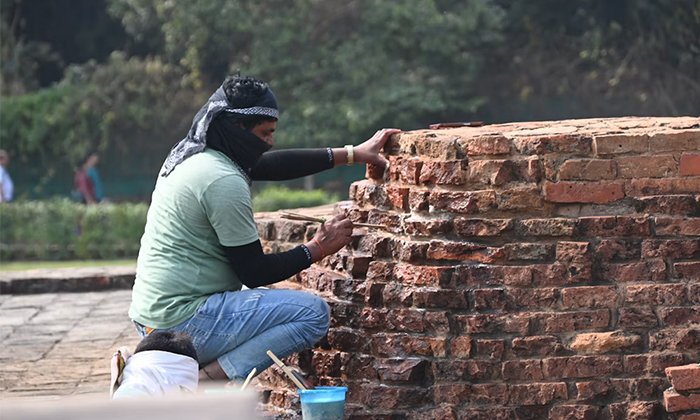
Exterior brickwork is an important part of a building’s strength, appearance, and long-term protection. Although bricks are designed to withstand years of use, the mortar between them can gradually deteriorate because of rain, wind, temperature changes, and moisture exposure. When mortar joints begin to crack or crumble, water can enter the masonry and contribute to further damage. Regular inspections, timely repairs, and appropriate maintenance practices help preserve the condition of brick walls while reducing the likelihood of expensive restoration work. Understanding how masonry deteriorates and which repair methods are suitable allows property owners to protect their buildings and maintain an attractive exterior for many years.
Understanding the Importance of Exterior Brickwork Maintenance
Brickwork provides a durable exterior surface, but its long-term performance depends on the condition of the materials and the quality of construction. Mortar joints help hold individual bricks together while limiting the entry of water through the gaps between masonry units. Over time, exposure to changing weather conditions can weaken these joints, allowing small cracks and openings to develop. If these defects are ignored, moisture may enter the wall and affect surrounding materials, potentially leading to more extensive deterioration. Routine maintenance helps identify early signs of damage before they become difficult or expensive to repair. Property owners should pay attention to loose mortar, cracked bricks, white mineral deposits, damp patches, and visible gaps between masonry units. These signs do not always indicate the same underlying problem, so a proper assessment is important before deciding on a repair method. Maintaining exterior brickwork protects the building’s appearance and helps preserve the performance of the materials that form its outer structure.
Recognizing the Causes of Mortar Deterioration
Mortar can deteriorate for several reasons, including prolonged moisture exposure, unsuitable original materials, poor installation, and natural aging. Rainwater may enter weak joints and gradually weaken the material, especially when drainage or weather protection is inadequate. Repeated changes between wet and dry conditions can also contribute to surface breakdown. In colder environments, water trapped inside masonry may freeze and expand, increasing pressure within existing cracks and accelerating deterioration. Building movement can create additional stress on mortar joints, particularly around openings, corners, and areas where different materials meet. Vibrations, previous structural repairs, and poorly designed drainage arrangements may also contribute to visible defects. Identifying the cause of the damage is essential because replacing mortar alone may not solve a problem caused by movement or persistent water entry. A qualified masonry professional can inspect the affected area and recommend a repair approach that addresses both the visible deterioration and its underlying cause.
What Is Chimney Repointing and Why Does It Matter?
Chimney repointing is a repair process that involves removing deteriorated mortar from masonry joints and replacing it with suitable new mortar. Chimneys are especially exposed to wind, rain, sunlight, and temperature changes because they extend above the roofline. These conditions can gradually weaken the mortar between bricks, allowing water to penetrate the structure. Restoring damaged joints helps reduce moisture entry, improve the appearance of the chimney, and maintain the condition of the surrounding masonry. The repair requires careful preparation and an appropriate choice of materials to avoid damaging the existing bricks. Removing too much mortar can weaken the joints, while using an excessively hard mixture may cause softer bricks to deteriorate. A professional assessment helps determine the necessary removal depth, suitable mortar composition, and appropriate finishing technique. Depending on the chimney’s condition, additional work may be required to repair loose bricks, damaged flashing, or defective components that allow water to enter the structure.
Identifying Early Warning Signs of Brickwork Damage
Early warning signs often appear as small gaps, cracks, or crumbling sections in the mortar between bricks. Mortar may become powdery, develop a sandy texture, or fall away when exposed to repeated weathering. In some cases, the brick faces remain in good condition while the surrounding joints gradually weaken. These changes should be assessed before the damage spreads, particularly when they occur across a large section of an exterior wall or chimney. Other signs may include damp patches on interior walls, peeling paint near masonry surfaces, white powdery deposits, and pieces of mortar collecting below the damaged area. White deposits can form when moisture carries dissolved salts through masonry and leaves them behind as the water evaporates. Although this does not automatically mean that repointing is necessary, it can indicate a moisture-related issue that needs investigation. Careful inspection helps determine whether the problem comes from mortar deterioration, defective drainage, leaking flashing, or another source of water entry.
Selecting Suitable Materials for Durable Repairs
Choosing the correct mortar is one of the most important factors in achieving a lasting masonry repair. Mortar varies in strength, flexibility, water absorption, and composition, and these characteristics affect how it interacts with the surrounding bricks. The strongest mixture is not always the best option because older or softer bricks may need a more compatible mortar that accommodates normal movement and moisture transfer. Using an unsuitable product can cause brick faces to crack, flake, or deteriorate before the replacement mortar itself shows significant damage. The selected material should match the existing masonry as closely as practical while meeting the requirements of the repair. Traditional buildings may need a lime-based mortar, while some modern structures are designed for suitable cement-based mixtures. Color and texture also influence the finished appearance, particularly when repairs are completed on highly visible exterior walls. Before work begins, property owners should ask the contractor which materials will be used and why they are appropriate. This simple discussion can help prevent compatibility problems and improve the long-term performance of the repaired joints.
Preparing Masonry Surfaces Before Repointing
Proper preparation is essential because new mortar must bond effectively with the remaining masonry. The first step is to inspect the wall and identify the joints that require repair, along with any damaged bricks or related defects. Loose and deteriorated mortar is then removed carefully to an appropriate depth without damaging the edges of surrounding bricks. The amount of material removed depends on the condition of the joint and the specifications of the repair. After removal, loose particles and dust should be cleared so that the replacement mortar can make proper contact with the prepared surfaces. The joints may need suitable moisture conditioning according to the mortar type and environmental conditions. Applying new mortar over loose debris or poorly prepared joints can reduce adhesion and lead to premature failure. Careful preparation takes time, but it is an essential part of producing a durable finish. Property owners should prioritize thorough workmanship rather than choosing a service based only on how quickly the visible work can be completed.
Understanding the Professional Repointing Process
Once the joints have been prepared, the selected mortar is placed into the gaps and compacted carefully to minimize voids. The contractor then shapes the joints to create the intended profile and ensure that the new material sits appropriately within the masonry. Consistent application helps improve the appearance of the wall and reduces the risk of weak spots that may allow water to penetrate. The finished joints should complement the surrounding brickwork while providing suitable protection against normal weather exposure. The mortar also requires appropriate curing conditions to develop its intended performance. Heavy rain, frost, excessive heat, and rapid drying can interfere with the curing process, depending on the material used. Freshly repaired joints may therefore need temporary protection while they harden. A professional should select suitable working conditions and explain any precautions necessary after the repair. Proper application, careful finishing, and adequate curing help ensure that the completed work performs effectively rather than developing cracks or loose sections soon after installation.
Protecting Brickwork from Moisture and Water Damage
Moisture is one of the most common causes of deterioration in exterior masonry. Water may enter through damaged mortar joints, cracked masonry, leaking gutters, defective roof flashing, or poorly managed drainage systems. Once moisture enters the wall, it can contribute to staining, internal dampness, material breakdown, and damage to nearby finishes. Identifying the source of water entry is therefore essential before carrying out repairs, because restoring mortar will not resolve a continuing leak elsewhere in the building. Property owners should keep gutters and downpipes clear, direct water away from vulnerable walls, and inspect flashing around roof junctions when concerns arise. Window seals, drainage arrangements, and other features that control water movement should also be maintained. If moisture repeatedly appears in the same area, a professional assessment may be needed to identify the cause. Waterproofing treatments should only be considered when suitable for the specific masonry, because some products can interfere with the natural movement of moisture through brickwork. A targeted approach helps protect the building without creating additional problems.
Maintaining Chimneys and Other Exposed Masonry Features
Chimneys, parapets, boundary walls, and other exposed masonry features often experience more severe weather conditions than sheltered sections of a building. Their upper surfaces may collect water, while joints near the top can become vulnerable to erosion and cracking. Regular inspections help identify deteriorated mortar, loose bricks, damaged caps, and other defects before they lead to more serious problems. Particular attention should be given to areas where different materials meet, as these junctions may provide pathways for water to enter. Chimney repointing may be necessary when the mortar joints have deteriorated but the surrounding bricks remain suitable for repair. However, a chimney should be assessed as a complete structure because problems may also involve flashing, the chimney crown, the flue liner, or loose masonry. Repairs to these components may require different skills and materials. Work at roof height also involves significant safety risks, so property owners should use qualified professionals with suitable access equipment rather than attempting hazardous repairs themselves.
Choosing a Qualified Masonry Contractor
Selecting a suitable contractor helps ensure that repairs are completed safely and according to the needs of the building. Property owners should look for relevant masonry experience, appropriate insurance, clear estimates, and examples of similar completed work. A reliable professional should inspect the affected areas before recommending a solution and explain whether the damage is limited to mortar joints or involves other components. This assessment helps prevent unnecessary work and reduces the chance of applying an unsuitable repair method. Before accepting a quotation, homeowners should ask which mortar will be used, how deteriorated material will be removed, what preparation is included, and how the new joints will be protected during curing. The estimate should also clarify whether scaffolding, debris removal, and repairs to damaged bricks are included in the price. Comparing these details is more useful than relying entirely on the lowest quote. Clear communication and a written scope of work help establish realistic expectations and make it easier to evaluate the quality of the proposed service.
Understanding Repair Costs and Long-Term Value
The cost of masonry repairs depends on the size of the affected area, the height and accessibility of the wall, the condition of the existing mortar, and the materials required. Small repairs on easily accessible walls may require less labor than extensive work on tall chimneys or complex exterior structures. Scaffolding, specialist access equipment, and additional repairs to damaged bricks can increase the total expense. The final cost should therefore reflect the actual condition of the building rather than a standard price alone. A detailed quotation helps property owners understand what they are paying for and whether additional work may be necessary. It is worth comparing the proposed preparation method, mortar specification, finishing quality, and curing precautions alongside the overall price. Very inexpensive work may omit important steps, potentially leading to early failure and repeated repair costs. Investing in suitable materials and skilled workmanship can provide better long-term value by helping protect the masonry and reduce the need for frequent maintenance.
Preventing Future Brickwork Deterioration
Preventive maintenance begins with regular visual checks of exterior walls, chimney joints, and other exposed masonry features. Property owners should look for cracks, loose mortar, staining, damaged bricks, and signs of water entry. These inspections should be carried out from safe positions, without climbing onto roofs or approaching unstable structures. If significant deterioration is visible, a qualified professional should assess the condition and recommend the appropriate next steps. Good maintenance also includes keeping drainage systems functional and correcting defects that allow water to collect near masonry. Trees and climbing plants should be managed when their growth damages joints or traps excessive moisture against walls. Any previous repairs should be monitored to ensure that they remain sound and that moisture problems have not returned. Keeping records of inspections and completed work can help property owners track changes over time and plan maintenance before deterioration becomes extensive. Consistent preventive care supports a stronger and more attractive exterior.
Improving the Appearance of Exterior Brickwork
The appearance of brickwork depends on more than the color and condition of the bricks themselves. Consistent mortar joints, clean surfaces, and well-maintained details all contribute to a neat and balanced exterior. When mortar deteriorates, gaps and uneven surfaces can make a building look older or neglected. Repairing damaged joints can restore visual consistency while also helping protect the masonry from moisture and weather exposure. The finished appearance depends on selecting compatible mortar, matching the joint profile, and carrying out the work carefully. Property owners should avoid using aggressive cleaning methods or unsuitable chemical treatments that may damage brick faces or remove important surface characteristics. If the brickwork has historic or architectural significance, specialist advice may be needed to preserve its original appearance. Good workmanship combines visual improvement with practical protection, ensuring that repairs support the building’s character instead of creating unnecessary differences between old and new materials.
Conclusion
Maintaining exterior brickwork requires regular inspections, appropriate materials, and timely attention to defects that could allow moisture to enter the building. Crumbling mortar, visible cracks, damp patches, and loose masonry should be assessed before the damage becomes more extensive. By identifying the underlying cause and selecting a suitable repair method, property owners can protect their buildings while preserving the appearance and durability of their exterior walls. Chimney repointing and other masonry repairs can provide lasting benefits when deteriorated joints are carefully prepared, compatible mortar is selected, and the finished work receives suitable curing and protection. However, successful maintenance also depends on addressing related problems such as damaged flashing, poor drainage, and defective chimney components. Working with a qualified contractor and following a regular maintenance plan can help reduce unexpected repair expenses and extend the useful life of brick structures. Consistent care remains one of the most effective ways to maintain strong, attractive, and weather-resistant masonry over the long term.