Las Vegas heat punishes air conditioners. High ambient temperatures, sun-soaked rooftops, and dust-filled winds increase the workload on compressors, evaporator coils, and blower motors. When a system already has marginal airflow or an incorrect refrigerant charge, a 110-degree afternoon can push it beyond its limits. The sooner you recognize specific symptoms and take safe, targeted steps, the better your chances of restoring comfort without causing additional damage. This article covers what homeowners can observe, what those clues often mean inside the system, and which actions are safe to handle at home versus those best left to a licensed HVAC technician during extreme desert heat.
-
Heat-Driven Symptoms You Can Spot Early
In very hot weather, watch for recurring patterns rather than isolated problems. Supply air that feels only slightly cooler than room air, frequent short cycling, ice on the suction line or evaporator coil, a condenser that runs without providing meaningful cooling, or repeated breaker trips are all warning signs. Outdoor units that hum but do not start properly, or fan blades that start and stop irregularly, may point to problems with capacitors, contactors, or fan motors. Indoors, weak airflow at several registers, a whistling return grille, or filters pulled inward by strong suction may indicate excessive static pressure restricting airflow through the system. If basic checks don’t resolve the problem, Las Vegas, NV AC repair can be a practical next step for getting qualified help during periods of extreme heat.
Consider a realistic midday scenario. The thermostat displays the desired setting, but rooms still feel uncomfortable, and the copper refrigerant line near the air handler shows frost. That combination often points to low airflow across a cold evaporator coil. A clogged filter, blocked return grille, or closed supply registers can let the coil temperature drop below freezing even when the refrigerant charge is correct. Ice then forms on the coil, further reducing airflow and heat transfer. Cooling performance continues to decline, and the system may eventually shut down or create excess water as the ice melts. Allowing the coil to thaw and restoring proper airflow can help prevent water damage and additional stress on the equipment.
-
What Those Symptoms Usually Mean Inside the System
Extreme desert heat raises condensing pressure. If the outdoor condenser coil is coated with dust, lint, or other debris, the compressor must work against even higher pressure, which can reduce cooling capacity and increase electrical demand. That additional stress may expose weak run capacitors, worn contactors, or aging motors, leading to humming sounds, stalled condenser fans, or intermittent cooling. Indoors, restricted airflow across the evaporator coil caused by a dirty filter, contaminated coil, or undersized ductwork can cause the coil temperature to drop below freezing. Ice formation then further reduces heat absorption and airflow. Low refrigerant charge or an expansion valve issue can cause similar symptoms, which is why you need proper measurements before diagnosing the cause.
You also need to consider important trade-offs. Higher MERV filters capture smaller particles common during dusty summer conditions. Still, they can also increase airflow resistance as they get dirty, especially in systems with limited return capacity. Closing supply registers in unused rooms may seem efficient, but it can raise static pressure and reduce airflow throughout the system. Oversized equipment may cool a home quickly under certain conditions, but frequent cycling can reduce comfort and add wear on electrical components. Maintaining a proper balance between filtration, airflow, equipment sizing, and runtime is especially important in a hot and dusty climate like Las Vegas.
-
Safe Checks at Home Before You Call
Start with airflow. Replace a dirty filter and make sure it is installed correctly with the airflow arrows pointing in the proper direction. Keep return grilles and supply registers open throughout the home. Set the thermostat to Cool with the fan on Auto, and avoid large temperature changes to force faster cooling. At a main supply register, the air should feel noticeably cooler than the air entering the return. If the supply air feels only slightly cooler than the room, the system may not be delivering adequate cooling.
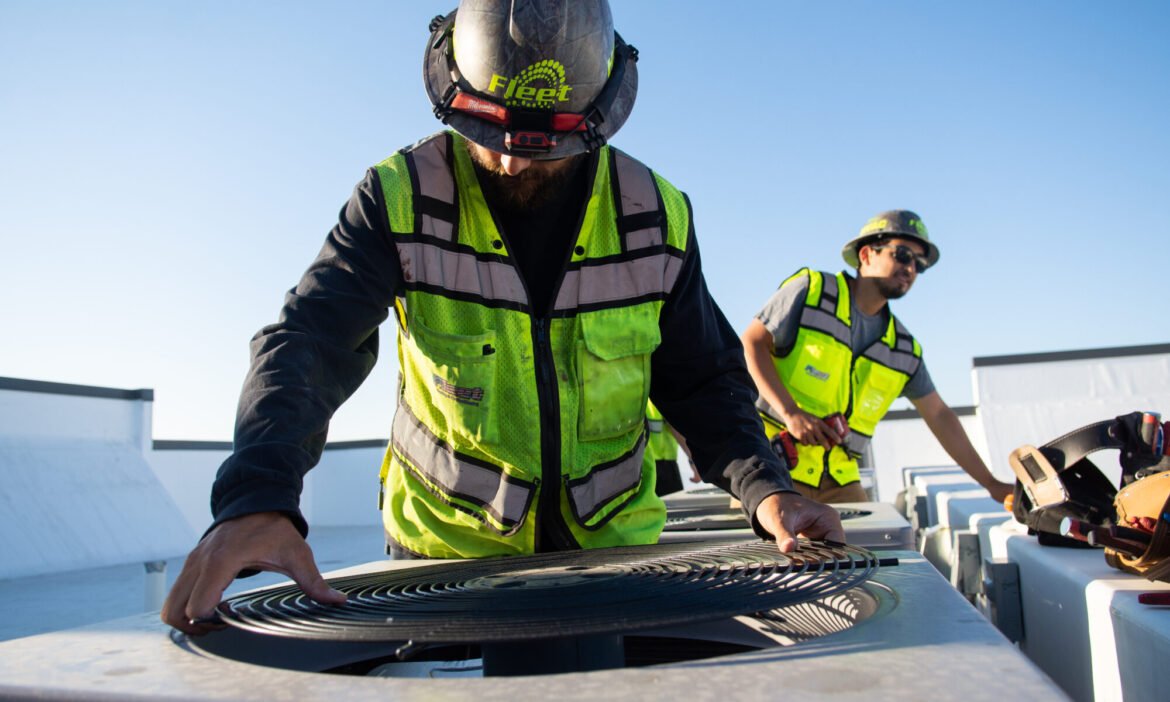
Step outside and check the condenser while the system is calling for cooling. The fan should run smoothly, and the coil should be free of visible debris. Maintain adequate clearance around the unit so hot discharge air can escape freely. If the condenser coil is dusty, turn off electrical power before gently rinsing the exterior surface with a garden hose. Avoid high-pressure sprays because they can bend the delicate fins and restrict airflow.
If you notice ice on the indoor evaporator coil or suction line, turn cooling off and set the fan to On to help the ice thaw. Check for water around the air handler or inside the secondary drain pan because this may indicate a clogged condensate drain. If the exterior drain outlet is safely accessible, a wet/dry vacuum may help remove algae or accumulated debris from the line. Avoid inserting sharp objects into PVC drain piping. Never open electrical compartments, bypass float switches, or attempt to override safety controls. If the outdoor unit hums without the fan operating, or if a breaker trips again after one proper reset, leave the system off and arrange professional service.
-
When Professional Diagnostics Are Necessary
Some problems require testing equipment and procedures that are outside the safe scope of homeowner troubleshooting. A technician can measure superheat and subcooling to evaluate refrigerant performance, test capacitor values, inspect electrical connections, check motor windings, and measure external static pressure to determine whether airflow restrictions are affecting the evaporator coil. Modern systems may also store diagnostic fault codes that help identify electrical, airflow, or control problems. These measurements can distinguish between symptoms that appear similar but have very different causes.
For example, an evaporator coil may freeze because of low airflow, a dirty coil, improper blower operation, low refrigerant charge, or a metering device problem. Each cause requires a different repair. Professional diagnostics help determine whether the appropriate solution involves cleaning the coil, repairing duct restrictions, replacing an electrical component, correcting airflow, or locating and repairing a refrigerant leak.
Consider another realistic situation after a dusty wind event. The outdoor unit starts with a loud buzzing sound, but the fan does not turn while the indoor blower continues moving warm air. This may indicate a failed run capacitor, damaged contactor, or fan motor problem. Because these components operate at dangerous voltage levels and repeated start attempts can overheat the compressor, shut the system down and avoid further restarts. A qualified HVAC technician can test the electrical components, replace the failed part if necessary, and determine whether excessive operating pressure from a dirty condenser coil contributed to the failure.
Reducing Repeat Breakdowns in Desert Conditions
Preventive maintenance is especially important in the Mojave climate. Replace filters more often during dusty periods, and choose filtration that matches your HVAC system’s airflow capacity. Keep vegetation, outdoor storage, and other obstructions away from the condenser so it can discharge hot air freely. Have the outdoor coil inspected and cleaned before peak cooling season, and keep the indoor coil and blower assembly free of excessive buildup. If your air handler or ductwork is located in an extremely hot attic, sealing duct leaks and improving attic insulation may reduce unwanted heat gain and help conditioned air reach rooms more effectively.
Thermostat habits also matter. Cooling the home slightly earlier in the day may reduce the amount of temperature recovery needed during the hottest afternoon hours, depending on your utility rate structure and household schedule. Large thermostat changes during peak heat can force the system to operate continuously without solving underlying airflow or equipment problems.
After any repair, ask the technician to explain the underlying cause rather than focusing only on the replaced component. Photos of a dirty coil, damaged electrical contact, collapsed filter, or leaking duct connection can help you understand what contributed to the problem and adjust future maintenance. Track filter sizes and replacement dates, and periodically check the condensate drain outlet during periods of increased humidity. Clear observations, safe home checks, and timely professional diagnostics can help reduce unexpected cooling failures during Las Vegas summers.
Extreme heat exposes weaknesses that may remain unnoticed during spring. By matching specific symptoms to likely system conditions and responding in the right order, you can protect both your comfort and your HVAC equipment. Start by checking airflow, confirming thermostat settings, and avoiding actions that may worsen the problem, such as repeated breaker resets or operating a system with a frozen coil. When symptoms point to electrical or refrigerant-related problems, shut the system down and schedule professional diagnostics. These practical habits can help an air conditioner perform more reliably when Las Vegas temperatures peak and make future repairs easier to diagnose accurately.