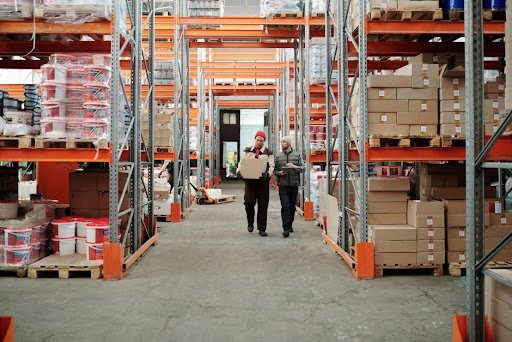
You probably think of self-storage as a backup plan for clutter, but that misses the bigger picture. A storage unit often solves timing problems, space pressure, and daily friction that builds up when life or work outgrows your square footage. In Surrey, where housing density and business activity keep rising, extra storage has become less of a luxury and more of a practical tool. The value isn’t just empty space. It’s flexibility when your schedule, inventory, or living situation changes faster than your floor plan can handle.
Surrey makes storage decisions more practical than theoretical
Local context matters. Surrey has grown into one of British Columbia’s most active urban areas, with expanding residential neighborhoods, commercial corridors, and frequent household movement between rentals, condos, and detached homes.
That creates a specific storage pattern. People aren’t only storing old belongings they forgot to throw out. They’re storing furniture during moves, contractor materials between jobs, retail inventory during peak seasons, and archived files that still need to be retained.
If you’re looking for storage units Surrey has local facilities like Storage Station, which offers convenient self-storage solutions for keeping household belongings, furniture, and business items secure while freeing up valuable space at home or work.
Space pressure is usually a workflow problem first
When your home or business feels cramped, the obvious issue looks like a lack of room. In practice, the bigger problem is workflow. You lose time moving boxes to reach tools, shifting seasonal gear around closets, or storing business stock in places never meant for operations.
That’s where off-site storage starts making sense. For a home-based seller, extra inventory under the bed sounds manageable until returns, packaging materials, and holiday demand pile up. For a family, sports equipment, documents, and furniture from a renovation can turn one crowded room into a constant bottleneck.
The main benefit isn’t only reclaiming square footage. It’s restoring access. Once your everyday space is reserved for things you use often, your routines get faster, cleaner, and easier to manage.
Small businesses often need flexible storage more than larger offices do
Large companies usually have dedicated warehousing systems, back-room logistics, or commercial leases designed around operations. Small businesses rarely get that luxury. You might be running e-commerce from home, managing event equipment, or keeping trade tools in a van with barely enough room to work.
A storage unit can act like a low-commitment extension of your business footprint. That matters if your revenue changes seasonally or your inventory levels spike around promotions, holidays, or project cycles. It also helps if you’re testing a new product line and don’t want to commit to expensive industrial space too early.
There’s also a professionalism angle. Meeting clients in a tidy office or clean home feels very different from inviting them into a room stacked with cartons, banners, or sample inventory. Storage can quietly improve how your business operates and how it’s perceived.
Households use storage differently now than they did a decade ago
The old assumption was simple: you rented storage after a major life event. Moving, downsizing, divorce, or a death in the family were the classic reasons. Those still matter, but newer patterns have emerged.
More people now use storage as a medium-term buffer. Maybe you’re working remotely and need to convert a spare bedroom into an office. Maybe your parents are moving in and you need space before making permanent decisions. Maybe your landlord is renovating, or you’re waiting for a closing date to line up.
Storage also plays a role in lifestyle management. Camping gear, snow tires, bikes, holiday decor, and sentimental items all take up space year-round even though you use them occasionally. Separating low-frequency items from daily living space can make smaller homes feel significantly more functional without any renovation at all.
Picking the right unit takes more than guessing square footage
A lot of people choose storage based on rough measurements and end up paying for poor fit. The better approach starts with access needs, then volume. Ask yourself how often you’ll visit, what you’ll need to retrieve first, and whether you’ll be carrying awkward items like shelving, appliances, or business stock.
If you need regular access, stacking everything floor to ceiling may save money while making the unit frustrating to use. In that case, you may need more room for a narrow walkway or shelving layout. If you’re storing documents or furniture during a move, dense packing can work better.
You should also consider packaging quality. Uniform bins stack better than random boxes, and clear labels save time later. A unit packed with intention feels twice as useful as one filled in a rush. Organization is part of the product, even if no one advertises it that way.
Security and climate concerns deserve closer attention than most people give them
Storage decisions often focus on price first, but risk should sit close behind it. If you’re storing electronics, files, furniture, textiles, or product inventory, conditions inside the unit matter. Temperature swings, moisture exposure, and poor packaging can cause damage that only shows up months later.
Security deserves the same level of scrutiny. You’d want to look for controlled access, surveillance coverage, lighting, and the general upkeep of the property. A well-managed facility often signals stronger operational discipline across the board.
Insurance is another part of the picture that many people overlook. Before moving anything in, check whether your homeowner’s, renter’s, or business policy covers stored items off-site. If it doesn’t, ask what protection is available and what exclusions apply. Replacing damaged inventory or irreplaceable records gets expensive fast, and regret usually arrives after the fact.
The smartest storage users treat units like active systems, not dumping grounds
A storage unit becomes expensive clutter the moment you stop knowing what’s inside it. The most effective users treat storage as a live operational system. They map categories, leave access paths, and review contents regularly.
For a household, that could mean separating legal documents, keepsakes, furniture, and seasonal items into zones. For a small business, it may involve SKU grouping, basic inventory tracking, and keeping shipping materials near the front. Even a simple spreadsheet or notes app can prevent duplicate purchases and wasted trips.
You should also set a review date every few months. If an item hasn’t been used, needed, or even remembered for a long stretch, it may belong in donation, resale, or disposal instead. Good storage creates breathing room. Great storage helps you make better decisions about what deserves space in your life or business at all.