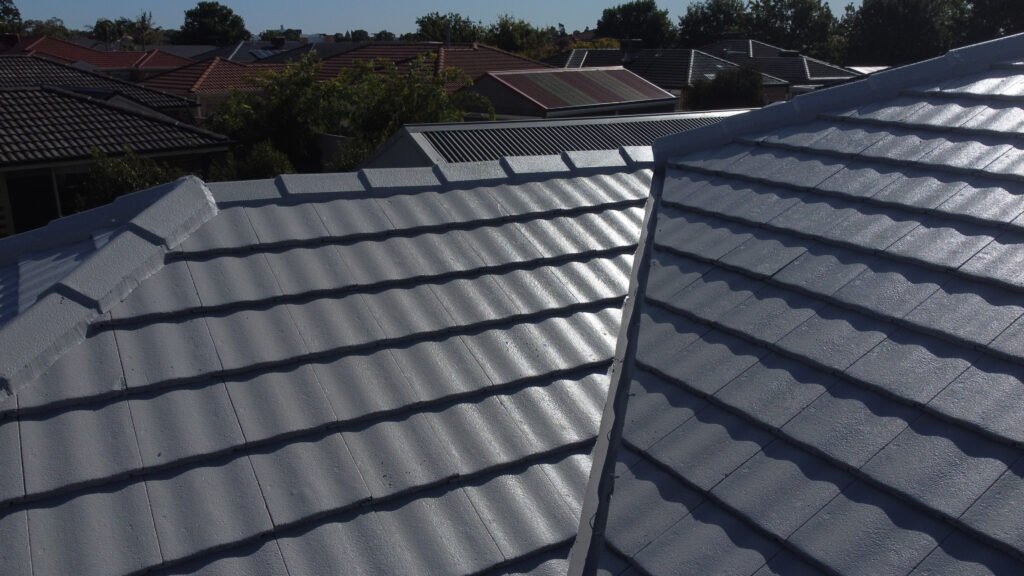
Your roof is the hardest-working part of your home. It faces blazing summer sun, heavy winter rain, gusty winds and the slow build-up of moss, lichen and dirt, usually without anyone looking at it for years. Eventually the signs show up, and homeowners start asking whether to repair, restore or replace. For many houses in the south-east, a restoration is the smartest middle path, and if you are searching for roof restoration Cranbourne, understanding the process will help you judge quotes and know what good work looks like.
Restoration vs Replacement: Which One Do You Need?
A full replacement is major work: removing the old roof, disposing of materials and installing new ones. A restoration brings the existing roof back to good condition at a fraction of the disruption.
Restoration usually makes sense when:
- The tiles or metal sheets are structurally sound.
- The roof has faded, stained or developed moss.
- There are minor cracks, loose tiles or worn ridge capping.
- Paint or coatings have worn thin.
Replacement is more likely when large areas of the roof are broken, rusted through, sagging or leaking badly. A qualified roofer can inspect the roof and give you an honest opinion.
Seven Signs Your Roof Needs Attention
Roofs rarely fail overnight. They give hints first.
- Discoloured or faded surfaces. Sun and weather strip colour and protective coatings.
- Moss and lichen. These hold moisture against the roof and can lift tiles over time.
- Cracked or broken tiles. Even small cracks let water in.
- Crumbling ridge capping. The pointing that bedding mortar provides can deteriorate and fall away.
- Rust on metal roofs. Surface rust spreads if left alone.
- Water stains on ceilings. This often signals an active leak.
- Blocked or rusty gutters. Poor drainage damages both roof edges and walls.
The Restoration Process, Step by Step
Knowing what to expect makes the work less stressful.
Step One: Inspection
A good job starts with a thorough roof inspection. The roofer should check tiles or sheets, flashings, ridge capping, valleys, gutters and any sign of leaks, and then explain what needs doing in plain language.
Step Two: Cleaning
High-pressure cleaning removes dirt, moss, lichen and loose coatings. This step is essential because paint and sealants cannot bond properly to a dirty surface.
Step Three: Repairs
Cracked tiles are replaced, loose ones are re-fixed, and damaged sections are repaired. Ridge capping is typically rebedded and repointed to keep it secure and watertight.
Step Four: Sealing and Priming
Where required, sealers or primers prepare the surface so the final coating adheres well and lasts longer.
Step Five: Coating
Protective membrane or roof paint is applied in several coats. This restores colour, improves weather resistance and helps the roof shed water.
Step Six: Final Inspection and Cleanup
The team should check the finished work, clean gutters and downpipes, and leave the property tidy.
Why Restoration Is Worth Considering
- Lower cost than replacement. You avoid the expense of new materials and heavy labour.
- Less disruption. Most jobs are completed in days rather than weeks.
- Improved appearance. A fresh roof lifts the whole look of a home, which helps if you plan to sell.
- Added protection. Coatings help guard against UV, water and wear.
- Longer roof life. Timely maintenance extends the life of the existing roof.
What Affects the Cost?
Quotes vary, and it helps to know why.
- Roof size and pitch: Larger and steeper roofs take more time and safety equipment.
- Roof type: Concrete tile, terracotta and metal roofs each need different treatments.
- Condition: More repairs mean more labour and materials.
- Access: Tall or awkward homes can be harder to work on.
- Coating quality: Premium products often last longer.
Be wary of a quote that is dramatically lower than the others. Ask what is included, which products are used and what warranty applies.
Questions to Ask Before You Hire
- Are you licensed and insured?
- Can you provide references or examples of previous work?
- Which products and how many coats do you use?
- What does your warranty cover and for how long?
- Will you provide a written, itemised quote?
Keeping Your Roof Healthy Afterwards
A little maintenance protects your investment.
- Clear leaves and debris from gutters regularly, especially after autumn.
- Trim overhanging branches that drop leaves or could damage tiles in storms.
- Check the roof after severe weather.
- Arrange an inspection every few years.
- Fix small problems early rather than waiting.
Safety First
Roof work is dangerous, and falls are among the most serious household accidents. Avoid climbing up to inspect or repair the roof yourself. Professionals have the equipment, training and insurance to work safely.
Final Thoughts
A roof restoration is one of the most practical ways to protect your home and boost its curb appeal. Spot the warning signs early, understand what the process involves, ask the right questions and choose a trusted professional. Do that, and your roof can look sharp and keep you dry for many years to come.