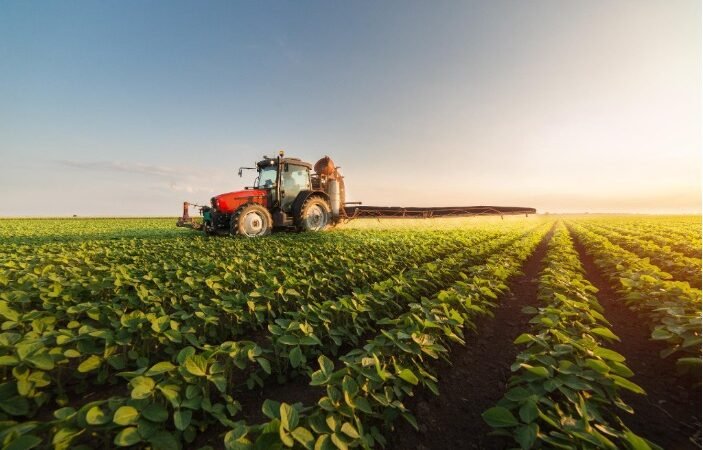
Procurement of tractors, harvesters, irrigation tools, and other machinery on the farm makes it productive and efficient. Nevertheless, procurement of the above machines comes at a very high cost, and therefore choosing where to get the finances from becomes equally important. Through proper utilization of a farm equipment loan, agricultural firms will be able to acquire the required machines without necessarily spending their working capital. Affordability of the loan depends on the interest charged, repayment terms, eligibility, and stability of the lending organization. Understanding the above considerations will guide agricultural firms in selecting the appropriate financial institutions that can help them remain stable.
Understanding Your Farm Equipment Financing Needs
Start by finding out the kind of equipment your business needs and the cost. You should find out whether buying new machines will be cheaper than buying used machines depending on their efficiency, durability, maintenance, and reliability. The farm equipment loan will enable you to invest in the necessary machinery while having enough money for running the company. Plan for the income that would be realistic for you to service the debt, but do not forget to save enough money for seeds, fertilizers, fuel, labor force, etc. Find out the financial requirements before talking to banks or other lenders.
Key Factors to Consider When Choosing a Farm Equipment Loan Provider
Compare the total financing offer rather than selecting a lending institution merely on the basis of the advertised interest rates. The right farm equipment loan provider will provide cost transparency, appropriate repayment options, and conditions suited to the finances of your company. Let’s look into some of the key factors to consider when choosing a loan provider for farm equipment:
1. Compare Interest Rates and Total Borrowing Costs
Interest rates affect the cost of obtaining finance. Agricultural businesses need to compare interest rates with annual percentage rates (APR) to have an idea of the interest and cost of borrowing. The interest rate will vary depending on the financier, creditworthiness, the value of the machinery, the amount of the down payment, and the period of repayment. Agricultural firms will have to estimate the interest rates by considering the financing rates of farm equipment, which can be 5 percent to 15 percent based on the financier and borrower. They need to have an idea of what interest rates they are getting since different financiers have different interest rates. Even if your monthly repayments are low and you repay for a long period, that does not imply your loan is cheaper than the other loan.
2. Evaluate Repayment Terms and Seasonal Flexibility
A farm equipment loan is always structured like a term loan, where you are supposed to be advanced the funds all at once and repay the principal along with interest in a certain amount of time agreed upon by both parties. The repayment can be done in one year to ten years according to the kind of farm equipment being purchased. There are various lenders who advance money that is to be paid monthly, but there are those who accept quarterly, semiannual, and even annual repayments. Agricultural businesses may ask whether the rate of interest is fixed or floating, and whether flexible payment methods can be accommodated depending on the earnings of the farmer during particular seasons. Flexible repayment will help the farm owner during their lean times, but this may depend on the lender.
3. Assess Lender Credibility and Industry Experience
Explore the reputation of the provider, its experience with equipment financing, and the service. The banks, financing programs, and online finance companies might be targeting various types of borrowers. They might be providing services depending on whether their priorities are low costs, fast decision-making, or working with those borrowers who fail to secure funding through standard means. Seek information about the interest rate, the fees, the collateral, the eligibility of borrowers, and the conditions that cause default. Explore reviews of other customers, check the qualifications of the lender, and ask questions before agreeing. It is important to evaluate the service quality along with the financing terms while comparing agriculture farm equipment loans.
4. Review Eligibility Requirements and Down Payment Options
The lender is likely to check for personal credit history, annual income, period in business, any existing debts, and availability of collateral. The lender may also ask for machinery quotes, tax records, bank account records, and business accounts. Down payments also differ from one lender to another. Some may need a significant down payment, up to 30%, while others can offer a low down payment or no down payment option. The down payment reduces the loan amount but leaves less money for operational costs. Prior to applying for a farm equipment loan, agricultural businesses must verify all these aspects. Choose a loan provider who meets your financial needs.
Final Words
It is important to carefully choose a provider depending on various factors, including the interest rate, cost of borrowing, repayment plan, reputation of the lender, borrower eligibility, and flexibility of the loan. The best farm equipment loan will fit the financial abilities and operational objectives of your business. Agricultural businesses should compare different offers, examine the loan agreement, and make sure that the repayments do not leave insufficient capital to cover farm expenditures. Regardless of whether the farm needs a tractor, harvesting machine, or an irrigation system, a loan for agriculture equipment will be helpful if it fits your budget and profitability.