
Replacing missing teeth can feel like a difficult financial decision. You want teeth that look natural and feel comfortable, but you also need a treatment plan you can afford. With different prices, materials, and payment options to compare, it is easy to feel unsure about where to begin.
If you are considering Dental Implants in Cudahy, start by understanding what the complete treatment involves. An advertised price may cover only the implant placed in the jaw. The connector, replacement tooth, imaging, and other procedures may be separate charges.
Affordable care begins with a clear plan. Knowing what you need, what the price includes, and how you will maintain the replacement helps you compare options fairly. This guide explains those details so you can make a decision based on more than the lowest starting price.
What Makes Dental Implants Affordable?
Affordable dental implants should fit both your oral health needs and your budget. A low price is helpful only when you understand what you are receiving. Treatment should also provide a replacement that you can clean, use comfortably, and maintain over time.
For example, two quotes may look very different because they cover different services. One may include the implant, connector, and crown, while another lists only the surgical placement. Comparing these figures without checking the details can give you the wrong impression about the final expense.
There is also a difference between a lower treatment price and a lower monthly payment. Financing can spread payments over time, but interest and fees may increase what you eventually pay. Consider the full financial commitment alongside the treatment plan.
What Are You Paying for With Dental Implants?
A dental implant is a support placed in the jawbone to hold replacement teeth. The visible tooth is a separate part of the system. Understanding these components makes written estimates much easier to read and compare.
The Implant Placed in the Jaw
The implant body takes the place of a missing tooth root. A clinician places it in the jaw, where the surrounding bone needs time to heal around it. Its position must support the planned replacement while accounting for nearby teeth and other structures.
The Connector and Replacement Tooth
A connector, called an abutment, joins the implant to the replacement tooth. That replacement may be a crown, a bridge, or a denture. The design depends on how many teeth are missing and which type of support suits your mouth.
Planning and Professional Care
Dental Implant Treatment also includes assessment, planning, surgery, and follow-up. Your clinician needs to consider your gums, bone, bite, health history, and cleaning needs. These services are part of the treatment rather than optional extras that can simply be removed to lower the price.
How Much Do Dental Implants Cost?
Costs vary with the treatment required, the provider, and the location. National estimates can help you begin planning, but they are not local quotes. An examination is needed before a dental team can explain your expected costs accurately.
Replacing One Missing Tooth
A published U.S. estimate places the Single Tooth Implant Cost Without Insurance at approximately $2,800 to $5,600. This generally includes implant placement, the supporting components, and the crown. Your own estimate may differ, particularly if additional treatment is needed.
If you are considering a single tooth implant in Cudahy, ask whether the quoted amount includes the final crown. Also, check the charges for imaging, temporary teeth, extraction, or grafting. A complete written estimate is more useful than a starting price without clear inclusions.
Replacing Several Missing Teeth
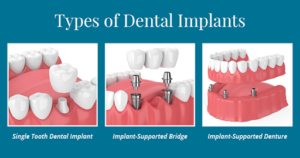
Multiple missing teeth do not always require a separate implant for every tooth. An implant-supported bridge may replace several teeth using fewer implants. However, the suitable number and position depend on the available bone, the bite, and the planned replacement.
For this reason, multiplying a single-tooth price by the number of missing teeth can be misleading. Ask for a plan showing which implants support which replacement teeth. That explanation helps you understand both the clinical recommendation and the proposed cost.
Replacing a Full Row of Teeth
The Average Cost of Full Mouth Dental Implants is difficult to express as one figure because the phrase can describe very different treatments. It may refer to one full arch, both arches, removable implant dentures, or fixed replacement teeth. These options do not involve the same work or components.
One U.S. insurer’s public guidance gives a broad estimate of $20,000 to $30,000 or more per arch for a full set of implant-supported replacement teeth. This is a national planning reference, not a confirmed local fee. Always check whether a quote covers the upper arch, lower arch, or both.
Why Prices Vary Between Patients
Two people with the same number of missing teeth may still need different treatment. One person may have healthy gums and enough bone, while another needs care before implant placement. These differences can affect both the price and the treatment schedule.
Bone and Gum Health
Your clinician checks whether the jaw can support the proposed implants. Limited bone may require grafting or a different treatment approach. Gum health also needs attention because implant care depends on healthy supporting tissues and effective cleaning.
Extractions and Preparatory Procedures
Some patients already have a healed gap, while others still need a tooth removed. Additional procedures may also be needed to prepare the implant site. Ask which steps are necessary, why they are recommended, and whether their fees appear in the estimate.
Replacement Materials and Design
The final teeth can differ in material, design, and laboratory work. Discuss how the proposed restoration handles chewing forces, how it looks, and what repairs may involve. A higher price alone does not explain whether a particular choice is suitable for you.
Anesthesia and Treatment Complexity
The anesthesia plan and difficulty of surgery can also affect costs. Ask who provides each part of treatment and whether separate clinicians issue separate bills. This is especially useful when surgical placement and the final replacement are completed at different offices.
Which Treatment Option Fits Your Needs?
When comparing dental implant treatments in Cudahy, first identify which options are clinically suitable. Then compare their costs, daily care, and long-term maintenance. The number of missing teeth is important, but it is not the only factor guiding the recommendation.
A Single Implant and Crown
A single implant and crown can replace one missing tooth without relying on the neighboring teeth for support. The clinician must assess the available space, bone, and bite before recommending it. The final crown is designed to fit the surrounding teeth and the way your mouth closes.
An Implant-Supported Bridge
An implant-supported bridge replaces several missing teeth using implants as its supports. This can avoid placing one implant for each missing tooth in suitable cases. The design must still allow access for cleaning beneath the replacement.
Removable Implant-Retained Dentures
An implant-retained denture attaches to implants but can be removed by the patient. This may provide more retention than a conventional denture, depending on the design. Attachments can wear over time, so ask about adjustment and replacement costs.
Fixed Full-Arch Replacement
A fixed full-arch restoration replaces a full row of teeth and stays attached during everyday use. It requires careful planning and a cleaning routine beneath the replacement. Discuss how the design affects speech, appearance, repairs, and professional maintenance.
Understanding the Four-Implant Approach
All-on-4 Dental Implants use four strategically placed implants to support a fixed full arch. Suitable patients may receive a temporary fixed restoration on the day of surgery. However, immediate teeth depend on meeting clinical requirements, and the final restoration may come later.
Four implants are not automatically the right plan for every patient. Ask why a particular number is recommended and whether other designs are reasonable. The goal is suitable support for your mouth rather than choosing treatment by its name alone.
| Option | Typical purpose | Removed by the patient? | Maintenance to discuss |
| Single implant crown | Replace one tooth | No | Cleaning around the crown and gum |
| Implant-supported bridge | Replace several teeth | Usually no | Cleaning beneath the bridge |
| Implant-retained denture | Replace many or all teeth in an arch | Yes | Denture cleaning and attachment wear |
| Fixed full-arch restoration | Replace a complete row of teeth | No | Cleaning beneath the arch and professional servicing |
What Should a Complete Quote Include?
The total cost of dental implants becomes clearer when every stage appears in writing. Request an estimate that separates included services from possible additional charges. You should also understand which fees are fixed and which depend on findings during treatment.
A useful quote should address:
- Consultation and required imaging.
- Extractions or other preparatory care.
- Implant placement.
- Connectors and supporting components.
- Temporary teeth, if needed.
- Final crowns, bridges, or dentures.
- Anesthesia or sedation.
- Follow-up appointments.
- Any clearly identified exclusions.
Ask what happens if the plan changes. For example, additional treatment or a different restoration could affect the price. Understanding how changes are explained and approved can prevent confusion later.
Comparing Two Different Estimates
Consider a quote that includes surgery and temporary teeth but excludes the final restoration. Another quote may include all three stages. The second figure could look higher even when it represents a more complete package.
Put the estimates side by side and compare the same items. Ask each office to explain anything missing or unclear. You do not need to understand every technical term, but you should know what you are paying for.

How to Assess Quality Before Choosing Treatment
Choosing a dentist for implants involves more than comparing prices or viewing smile photos. You need an explanation of your condition, a suitable plan, and a clear aftercare arrangement. The consultation should leave you better informed rather than pressured to decide quickly.
Ask About Similar Cases
Ask who will place the implants and who will make the replacement teeth. Find out whether they have experience treating situations similar to yours. If a specialist is involved, clarify how the clinicians communicate and share responsibility for your care.
Understand the Alternatives
A sound recommendation should explain suitable alternatives as well as implants. A bridge, denture, or treatment to preserve an existing tooth may deserve consideration. Ask why the proposed approach fits your mouth and what its limitations are.
Keep Details About the Components
Ask which implant system will be used and keep that information with your records. It can be useful if you later need care from another clinician. Also, ask how replacement parts and repairs would be handled in the future.
Look Beyond Search Results
Searching for an implant dentist near me can help you find convenient options, but proximity is only one consideration. Compare the explanation of care, treatment scope, and maintenance arrangements. Reviews can add context, though they cannot establish whether a particular plan is right for you.
Ways to Make Treatment More Affordable
There may be ways to make payments more manageable without removing necessary parts of care. Start by understanding benefits and available payment arrangements. Then compare the overall amount you will pay rather than focusing only on the monthly figure.
Confirm Insurance Benefits
Some dental plans contribute toward implants, while others exclude them or cover only certain stages. Deductibles, waiting periods, network rules, and benefit limits can affect your share. Ask the office and insurer to clarify coverage before you commit.
Read Financing Terms Carefully
Payment plans can spread the cost across several months or longer. However, check the interest rate, fees, repayment period, and total repayment amount. Ask whether the agreement is with the practice or an outside lender.
Deferred-interest offers need particular attention. If the promotional balance is not paid in full by the deadline, interest may be charged back to the purchase date. Minimum payments may not be enough to clear the balance within that period.
Check Eligible Health Account Funds
If you have an HSA or FSA, ask the administrator whether your planned dental expenses qualify. Confirm documentation requirements and the timing of payments. Do not assume that every part of a treatment package receives the same treatment under your account’s rules.
Discuss Clinically Suitable Stages
Some treatment naturally happens across several stages, which may spread payments over time. Ask whether the proposed schedule offers any flexibility. However, necessary care should not be delayed without discussing how that delay could affect your mouth.
When a Bridge or Denture May Be Worth Considering
Implants are not the right choice for every patient. A conventional bridge or removable denture may better suit someone’s health, preferences, or budget. These alternatives deserve a clear explanation rather than being dismissed because implants are available.
If you are comparing tooth implants in Cudahy with other options, ask about the effect on neighboring teeth, daily cleaning, and likely maintenance. Also, consider whether you are comfortable with surgery and the healing period. A suitable replacement should fit your life as well as your mouth.
Existing natural teeth need separate consideration. Before agreeing to extraction, ask whether a tooth can be predictably treated and maintained. A full-arch replacement should not be chosen solely because it appears in an attractive package.
What to Know About Discount Packages and Dental Travel
A package can make pricing easier to understand when its inclusions are clear. Read the terms carefully and ask about imaging, temporary teeth, final materials, and follow-up. Also, check what happens if your examination shows that you are not suitable for the advertised treatment.
Travel adds another layer to the comparison. Include transport, accommodation, time off work, repeat visits, and the possibility of needing care after returning home. Establish who will manage complications and provide copies of your records before deciding whether the savings are worthwhile.
What Does the Treatment Timeline Look Like?
Treatment begins with an assessment and a plan for the final replacement. Preparatory care may be needed before implant placement. After surgery, the implant needs time to heal with the surrounding bone before the next stage can proceed.
Healing can take several months or longer, depending on the situation. Some patients qualify for earlier temporary teeth, while others need a more gradual approach. Ask which teeth you will have during each stage and whether their costs are included.
Planning ahead also means discussing your schedule. Tell the team about upcoming travel, work commitments, or events that matter to you. Whether treatment is provided by South Shore Dentistry & Implants or another practice, the timetable should follow your clinical needs rather than a promise of speed.
What Will Implants Cost to Maintain?
Implants still need daily cleaning and regular professional review. Depending on the replacement, you may need specific cleaning tools or changes to your routine. Ask the dental team to demonstrate how to reach the areas around and beneath the restoration.
Future costs may include adjustments, attachment replacement, crown repairs, or other servicing. Ask what routine appointments involve and which repairs fall outside any written warranty. Keep the maintenance plan with your treatment estimate so it remains part of your budget.
An implant is not a promise that you will never need further dental work. General health, smoking, oral hygiene, and complications can affect the outcome. Report pain or looseness promptly instead of waiting for the next planned visit.
Questions to Bring to Your Consultation
A consultation is your opportunity to understand the recommendation before making a commitment. Bring a list of questions and ask for a copy of the proposed plan. You can take time to review the information rather than trying to remember every detail in the chair.
Useful questions include:
- Which teeth can be saved?
- What replacement options are suitable for me?
- Why do I need this number of implants?
- Does the quote include temporary and final teeth?
- What could increase the price?
- How long will each stage take?
- Who handles complications or repairs?
- What maintenance will I need?
- What will I pay after insurance and financing charges?
If something remains unclear, ask for a simpler explanation. A dentist in Cudahy should be able to explain the proposed care in terms you understand. A second opinion can also help when plans differ substantially or involve removing several remaining teeth.
Final Thoughts
Affordable dental implants involve more than finding a low advertised fee. A useful comparison looks at the complete treatment, the suitability of the replacement, and the care required afterward. Clear estimates make it easier to understand where your money goes and what future expenses may arise.
For patients in Cudahy, WI, the most practical starting point is a careful examination and an understandable plan. Compare equivalent services, ask about alternatives, and review payment terms before deciding. The aim is a tooth replacement that supports daily comfort and remains manageable to maintain.
Frequently Asked Questions
Can One Implant Replace More Than One Tooth?
One implant usually supports one crown, while several implants may support a bridge or full arch. The right arrangement depends on bone, bite, and replacement design. Your clinician should explain how the proposed implants support the missing teeth.
Does Dental Insurance Cover Every Part of Treatment?
Coverage varies, and some plans exclude implants or cover only selected stages. Ask about deductibles, waiting periods, annual limits, and the final restoration. A written benefits estimate helps with planning but may not guarantee the insurer’s final payment.
Can I Spread Implant Treatment Costs Over Time?
Possibly, through staged payments, practice arrangements, or third-party financing. Availability and approval vary. Compare the interest, fees, repayment period, and total amount owed, and make sure the payment schedule supports the clinically recommended timing of your treatment.