A properly functioning sprinkler system plays an important role in maintaining healthy lawns, gardens, landscaped areas, and outdoor spaces. Whether installed around a residential property, commercial building, or large landscaped environment, an irrigation system helps distribute water evenly and efficiently while reducing the need for manual watering. However, sprinkler systems contain several interconnected components that can experience wear, damage, and operational problems over time. Broken sprinkler heads, leaking pipes, clogged nozzles, faulty valves, and malfunctioning controllers can all affect the system’s ability to deliver the correct amount of water. When these problems are ignored, they may result in dry patches, overwatered areas, wasted resources, and unnecessary increases in water expenses.
Maintaining an irrigation system requires regular inspections, appropriate adjustments, and timely attention whenever something stops working correctly. Even a relatively small leak or damaged sprinkler head can interfere with water distribution and affect the overall performance of the installation. Professional sprinkler system repair helps identify the underlying causes of these problems and restores the equipment to proper working condition. Understanding how sprinkler systems operate, recognizing common warning signs, and learning about available repair solutions can help property owners make better maintenance decisions. With appropriate servicing and preventive care, an irrigation system can provide dependable watering, protect landscaping investments, and support healthier outdoor environments throughout the year.
Understanding How Modern Sprinkler Systems Work
A sprinkler system is an irrigation arrangement designed to distribute water across selected outdoor areas through a network of pipes, valves, sprinkler heads, and control equipment. These systems are commonly installed in lawns, gardens, landscaped properties, parks, commercial grounds, and other locations where consistent watering is necessary. Their main purpose is to provide controlled water distribution according to the specific requirements of different plants and landscape areas.
Most automatic sprinkler systems include a controller that determines when watering begins, how long each irrigation zone operates, and which areas receive water during a scheduled cycle. The controller communicates with electrically operated valves that regulate water movement through individual sections of the system. Once a valve opens, water travels through underground piping and reaches the sprinkler heads positioned throughout the landscape.
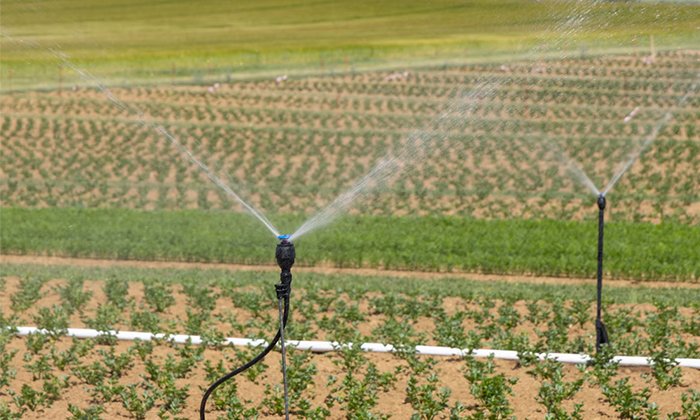
Different sprinkler heads are designed for different watering applications. Rotary heads distribute water across larger areas using rotating streams, while spray heads provide a more consistent pattern over smaller sections. Drip irrigation components may also be included in certain systems to deliver water directly to plant roots.
The arrangement of these components depends on the property’s size, water supply, soil conditions, and landscaping requirements. Understanding the basic structure of an irrigation system makes it easier to recognize potential problems and determine when professional attention is necessary.
Common Signs That Your Sprinkler System Needs Repair
Sprinkler systems often show noticeable warning signs when individual components begin to malfunction. Recognizing these symptoms early can prevent unnecessary water waste and protect surrounding landscaping. One of the most common indications is uneven watering. If certain areas remain dry while nearby sections become excessively wet, the system may have clogged nozzles, damaged sprinkler heads, incorrect pressure, or poorly adjusted spray patterns.
Unexpected water pooling is another warning sign. Water collecting around sprinkler heads, underground pipe connections, or valve boxes may indicate a leak or damaged component. Even a small underground leak can gradually waste considerable amounts of water if it continues unnoticed.
Sprinkler heads that fail to rise, rotate, or distribute water properly may also require inspection. Dirt, grass clippings, mineral deposits, and physical damage can interfere with their operation. In some cases, a damaged internal mechanism may prevent the sprinkler from functioning correctly.
Other symptoms include unusually low water pressure, zones that fail to activate, controllers that do not follow programmed schedules, and sprinkler heads that continue releasing water after a cycle ends. These problems may involve mechanical, electrical, or plumbing-related components.
When several symptoms appear together, a professional inspection can help identify whether the issue is isolated to one section or connected to a larger system malfunction.
The Importance of Timely Sprinkler System Repair
Addressing irrigation problems promptly is important for maintaining consistent watering and preventing unnecessary damage to landscaping. A sprinkler system that operates incorrectly may distribute too much water in some areas while leaving other sections insufficiently irrigated. This imbalance can affect grass growth, plant health, soil conditions, and the overall appearance of outdoor spaces.
Timely sprinkler system repair also helps reduce water waste. Damaged pipes, leaking valves, and broken sprinkler heads can release water continuously or distribute it outside the intended coverage area. These problems may increase utility expenses and create unnecessary moisture around walkways, foundations, and landscaped surfaces.
Another important advantage is protecting the remaining irrigation equipment. When one component fails, other parts may experience additional operating pressure or inconsistent water flow. For example, a damaged pipe can affect the pressure available to sprinkler heads throughout the same irrigation zone. Correcting the original problem helps restore normal system operation.
Early repairs may also prevent more complicated maintenance requirements. Replacing a damaged sprinkler head or correcting a minor connection problem is generally more straightforward than dealing with extensive underground water damage.
Regular attention helps maintain dependable irrigation performance and protects the time and money invested in landscaping.
Repairing Broken or Damaged Sprinkler Heads
Sprinkler heads are among the most frequently damaged components in an irrigation system because they are exposed to lawn equipment, foot traffic, weather conditions, soil movement, and accidental impacts. A broken sprinkler head may spray water in the wrong direction, release an uneven stream, or fail to distribute water entirely.
One common problem involves cracked sprinkler housings. These cracks can cause water to escape around the head instead of flowing through the intended spray openings. Damaged nozzles may also create irregular watering patterns or reduce coverage.
Sprinkler heads can sometimes become stuck below ground level because of dirt accumulation or mechanical wear. When this happens, the affected section may receive little or no water even though the irrigation zone appears to be operating normally.
Professional inspection helps determine whether the head needs cleaning, adjustment, or complete replacement. The replacement component should match the system’s specifications and provide suitable coverage for the surrounding landscape.
Correct positioning is equally important. A sprinkler head installed too low may become obstructed by grass, while one positioned too high may be vulnerable to damage from lawn maintenance equipment. Proper installation and adjustment help ensure that water reaches the intended areas without unnecessary overspray.
Identifying and Fixing Underground Sprinkler Pipe Leaks
Underground pipe leaks can be difficult to identify because the damaged sections are hidden beneath soil, grass, or landscaping materials. However, several visible symptoms may indicate that a leak has developed within the irrigation network.
Unusually wet areas, persistent puddles, soft soil, and patches of grass growing more rapidly than surrounding sections can all suggest underground water leakage. A sudden reduction in water pressure may also indicate that water is escaping before reaching the sprinkler heads.
Leaks may develop because of shifting soil, freezing conditions, aging materials, accidental digging, poor connections, or excessive pressure. Small cracks can gradually become larger when water continues flowing through the damaged section.
Finding the exact location of an underground leak requires careful inspection. Professional technicians may evaluate pressure changes, examine wet areas, inspect accessible connections, and use suitable leak-detection equipment when necessary.
Once the damaged section is identified, the affected pipe or connection can be repaired or replaced using compatible materials. Proper restoration should also include checking the surrounding connections to make sure the repair has not created additional leakage.
Underground pipe problems should not be ignored because continued water loss can damage landscaping, weaken nearby soil, and increase water consumption.
Resolving Low Water Pressure in Sprinkler Systems
Water pressure is essential for proper sprinkler operation because it determines how effectively water moves through pipes and reaches the sprinkler heads. When pressure becomes too low, spray patterns may become weak, rotary heads may stop turning correctly, and certain areas may receive insufficient water.
Several factors can contribute to low pressure. A partially closed valve, clogged filter, damaged pipe, leaking connection, or malfunctioning pressure regulator may restrict water movement. Problems with the main water supply can also affect the performance of the irrigation system.
In some cases, the issue is related to system design rather than equipment damage. Too many sprinkler heads operating within one zone may demand more water than the available supply can provide. Incorrect nozzle selection or unsuitable zone configuration can produce similar symptoms.
A professional technician can evaluate the water supply, inspect valves and filters, and measure pressure at appropriate points. These checks help identify whether the problem is caused by a blockage, leakage, supply limitation, or equipment configuration.
Restoring suitable pressure improves water distribution and helps the sprinkler system operate according to its intended design. It is important to avoid increasing pressure without understanding the cause because excessive pressure can damage pipes, fittings, and sprinkler heads.
Repairing Faulty Sprinkler Valves and Solenoids
Sprinkler valves control the flow of water into individual irrigation zones. They are usually installed underground in protective valve boxes and operate through electrical signals sent by the irrigation controller. When a valve functions correctly, it opens during the scheduled watering cycle and closes when the cycle ends.
Valve problems can cause several operational issues. A valve that fails to open may prevent an entire irrigation zone from receiving water, while one that remains open may cause continuous watering. Leaks around valve connections can also reduce system efficiency and create wet areas around the installation.
Solenoids are electrical components that help operate many automatic sprinkler valves. A damaged solenoid, loose connection, or electrical fault may prevent a valve from responding to controller commands.
Debris inside the valve can also interfere with its ability to open and close correctly. Dirt, sand, and small particles may become trapped in internal components and affect water flow.
Professional valve servicing generally involves inspecting the valve body, electrical connections, solenoid, and internal components. Depending on the condition, cleaning, adjustment, or component replacement may be necessary.
Correct valve operation is essential because each irrigation zone depends on reliable water control. Addressing valve problems promptly helps prevent overwatering, dry areas, and unnecessary water consumption.
Troubleshooting Automatic Sprinkler Controllers and Timers
Automatic controllers are responsible for managing irrigation schedules and coordinating the operation of different sprinkler zones. They allow property owners to determine watering days, start times, and operating durations according to landscape requirements.
Controller problems may cause watering cycles to begin unexpectedly, fail to start, or continue longer than intended. In some situations, the controller display may become unresponsive or show error indicators.
Simple problems may involve incorrect programming, power interruptions, weak backup batteries, or accidentally changed settings. However, repeated operational failures may indicate a damaged controller, wiring issue, or communication problem with the valves.
Modern irrigation controllers may include weather-based features, rain sensors, moisture sensors, and remote scheduling options. These features can improve watering efficiency, but they also introduce additional components that may require inspection when the system behaves unexpectedly.
A professional technician can review the programming, test relevant electrical connections, and determine whether the problem involves the controller or another part of the irrigation system.
Proper controller settings are important because watering requirements change according to plant type, soil conditions, seasonal temperatures, and rainfall. An appropriately configured controller helps prevent unnecessary watering while maintaining suitable moisture levels.
Fixing Clogged Sprinkler Nozzles and Restricted Water Flow
Sprinkler nozzles are designed to produce specific spray patterns and distribute water across designated areas. Over time, dirt, sand, mineral deposits, and other particles can accumulate inside the openings and restrict water movement.
A clogged nozzle may produce an irregular spray pattern, reduced coverage, or an uneven stream. Some sprinkler heads may release water in only one direction, leaving nearby plants and grass without adequate irrigation.
Mineral deposits can be particularly problematic in areas where water contains higher concentrations of dissolved minerals. These deposits may gradually build up around nozzle openings and interfere with normal operation.
Cleaning or replacing a nozzle can often restore the intended spray pattern. However, the correct nozzle must be selected according to the sprinkler model, required flow rate, and coverage area.
Filters should also be inspected because they help prevent particles from entering sensitive components. If the irrigation system repeatedly experiences clogging, the water source and filtration arrangement may need further evaluation.
Regular inspection of sprinkler heads and nozzles helps maintain consistent coverage and reduces the risk of dry patches developing across landscaped areas.
Understanding the Role of Sprinkler System Maintenance
Preventive maintenance is one of the most effective ways to keep an irrigation system operating efficiently. Instead of waiting until a component fails, routine inspections help identify developing problems and maintain reliable watering performance.
A maintenance visit may include checking sprinkler heads, inspecting valves, examining exposed connections, testing controller settings, evaluating water pressure, and looking for visible leaks. The exact procedures depend on the system design and the condition of the installation.
Sprinkler heads should be checked to ensure that they are positioned correctly and distributing water evenly. Grass, soil, and landscaping materials should not obstruct their operation.
The controller should also be reviewed periodically because watering requirements change throughout the year. Adjusting schedules according to rainfall, temperature, and plant requirements helps prevent unnecessary irrigation.
Filters and nozzles may require cleaning when mineral deposits or debris begin affecting water flow. Underground pipes and connections should also be inspected when there are signs of unexplained water loss.
Consistent maintenance helps reduce avoidable breakdowns, supports efficient water use, and protects the overall investment in landscaping and irrigation equipment.
Seasonal Sprinkler System Care for Better Performance
Seasonal changes can affect irrigation requirements and the condition of sprinkler equipment. Preparing the system for changing weather conditions helps prevent damage and supports reliable performance throughout the year.
During warmer months, lawns and plants may require more frequent watering because higher temperatures and increased sunlight accelerate moisture loss. However, irrigation schedules should still reflect soil conditions, plant requirements, and natural rainfall rather than following an unnecessarily fixed routine.
During cooler periods, watering needs generally decrease. Reducing operating times and adjusting schedules can prevent excessive soil moisture and unnecessary water consumption.
In regions where freezing temperatures occur, winter preparation may include protecting exposed pipes, disconnecting vulnerable components, and arranging professional winterization when necessary. Water remaining inside certain irrigation components can freeze and expand, potentially causing cracks or damaged connections.
When warmer weather returns, the system should be inspected before regular operation resumes. Sprinkler heads, valves, controller settings, and underground connections should be checked for damage that may have developed during the inactive period.
Seasonal maintenance helps ensure that the irrigation system is prepared for changing environmental conditions and reduces the likelihood of unexpected operational problems.
How Efficient Irrigation Supports Healthy Lawns and Gardens
Healthy landscaping depends on receiving an appropriate amount of water at the right time. Both insufficient and excessive irrigation can negatively affect plant growth, soil conditions, and the appearance of outdoor spaces.
When watering is insufficient, grass may become dry, plants may wilt, and certain areas may develop uneven growth. On the other hand, excessive watering can contribute to root problems, soil erosion, fungal growth, and unnecessary water consumption.
An efficient sprinkler system helps distribute water according to the needs of different landscape sections. Grass areas, flower beds, shrubs, and trees may require different watering patterns and operating schedules.
Soil type is another important consideration. Sandy soil generally drains faster than clay soil, while compacted ground may absorb water more slowly. Irrigation schedules should account for these differences to reduce runoff and improve water absorption.
Proper sprinkler placement also matters. Water should reach the intended landscape areas without unnecessarily spraying sidewalks, driveways, walls, or other hard surfaces.Maintaining an efficient irrigation system helps create healthier outdoor spaces while making better use of available water resources.
Factors That Influence Sprinkler System Repair Costs
The cost of repairing an irrigation system depends on several factors, including the type of malfunction, location of the damaged component, equipment requirements, labor, and availability of compatible replacement parts.
Minor problems involving nozzle cleaning, sprinkler head adjustments, or simple component replacement generally require less work than underground pipe repairs or electrical troubleshooting. Repairs involving buried valves, damaged wiring, or extensive leakage may require additional diagnostic time and specialized equipment.
The size and complexity of the irrigation system can also influence repair costs. A small residential lawn with a few watering zones is generally less complicated to inspect than a large commercial landscape with multiple valves, controllers, and underground pipe networks.
Accessibility is another consideration. Components installed beneath concrete, decorative landscaping, or heavily established vegetation may require additional work to reach safely.
Property owners should request a clear estimate that explains the identified problem, recommended repairs, replacement components, and expected labor costs. It is also useful to ask whether the proposed work addresses the underlying cause rather than simply correcting the visible symptoms.
Comparing estimates and considering the quality of replacement materials can help property owners make informed decisions while avoiding unnecessary expenses.
Why Hiring an Experienced Sprinkler Repair Professional Matters
Sprinkler systems combine plumbing, electrical controls, mechanical components, and irrigation design. Although some basic maintenance tasks can be completed by property owners, more complicated problems require technical knowledge and appropriate equipment.
An experienced technician understands how different irrigation components work together and can identify problems that may not be immediately visible. For example, uneven watering could be caused by a damaged sprinkler head, restricted water supply, incorrect pressure, or a malfunctioning valve. Replacing one component without checking the entire system may not solve the problem.
Professional inspections generally involve evaluating water distribution, checking pressure, examining valves, testing controller operation, and identifying leaks. These procedures help determine the most suitable repair approach.
Hiring a qualified professional also reduces the risk of damaging underground pipes, electrical connections, and other sensitive components during troubleshooting. Proper replacement parts and compatible installation methods are important for maintaining reliable performance.
Before selecting a service provider, property owners should ask about experience with similar irrigation systems, repair procedures, replacement materials, and service warranties. Clear communication and a detailed estimate help establish realistic expectations.
Professional expertise can make irrigation repairs more reliable and help protect the long-term performance of the entire system.
Benefits of Upgrading an Older Sprinkler System
Some irrigation systems become outdated as their components wear out or landscaping requirements change. When an older system experiences repeated breakdowns, property owners may benefit from considering selected upgrades rather than continuing to replace individual components.
Modern sprinkler heads can provide improved spray patterns and more consistent water distribution. Updated controllers may offer flexible scheduling, rain detection, and soil moisture monitoring features that help reduce unnecessary irrigation.
Pressure-regulating sprinkler heads can also help maintain suitable operating conditions and improve water application in certain installations. Drip irrigation components may be useful for flower beds, shrubs, and other areas where water should be delivered more directly to plant roots.
Replacing outdated valves, damaged wiring, and deteriorated piping may also improve overall system reliability. However, upgrades should be based on the property’s actual watering requirements and the condition of the existing equipment.
A professional assessment can help determine whether targeted improvements, partial replacement, or a complete system upgrade provides the best long-term value.
Final Thoughts on Maintaining a Reliable and Efficient Sprinkler System
A properly maintained irrigation system is essential for keeping lawns, gardens, and landscaped areas healthy while managing water consumption effectively. Problems such as broken sprinkler heads, clogged nozzles, underground pipe leaks, faulty valves, low pressure, and controller malfunctions can interfere with normal watering and create unnecessary expenses.
Recognizing early warning signs and arranging professional sprinkler system repair can help prevent minor issues from developing into more complicated problems. Accurate diagnosis is important because several different faults can produce similar symptoms, and effective repairs should address the underlying cause rather than simply correcting visible damage.
Regular maintenance also plays an important role in protecting irrigation equipment. Checking sprinkler heads, cleaning filters, inspecting valves, adjusting watering schedules, and monitoring water pressure can improve system performance and reduce avoidable breakdowns.
Ultimately, investing in quality repairs and preventive maintenance helps property owners protect their landscaping, reduce water waste, and maintain dependable irrigation throughout the year. With proper attention and professional support when necessary, a sprinkler system can continue delivering consistent watering and contribute to a healthier, more attractive outdoor environment.