Introduction
Solar energy has become an increasingly popular choice for homeowners and businesses looking to reduce electricity expenses, improve energy efficiency, and adopt more sustainable practices. With rising energy demands and growing awareness of renewable resources, many property owners are exploring solar power as a practical long-term investment. However, the success of a solar energy system depends on more than purchasing high-quality panels and modern equipment. Proper system design, professional installation, and ongoing maintenance are essential for achieving reliable performance and long-term savings. Choosing an experienced solar panel installer can help ensure that every component of the system is selected, positioned, and connected according to the property’s energy requirements. A well-designed solar installation can provide dependable electricity for many years when the equipment is suitable and the installation follows established safety standards. Before investing in solar technology, property owners should understand how the installation process works, which factors influence system performance, and what qualifications to look for in a professional service provider. Careful planning helps prevent common problems, such as inadequate system capacity, poor panel placement, and unexpected installation costs. By learning about these important considerations, consumers can make informed decisions and enjoy the benefits of renewable energy with greater confidence.
Understanding the Role of a Solar Installation Professional
Installing a solar energy system involves several technical tasks that require specialized knowledge and practical experience. A qualified professional evaluates the property, examines its electricity consumption, reviews available roof space, and determines whether the site is suitable for solar panels. The assessment also considers shading, roof condition, panel orientation, and the electrical equipment needed to support the system. An experienced solar panel installer uses this information to develop an installation plan that balances performance, safety, durability, and cost. The professional’s responsibilities extend beyond attaching panels to a roof. Installation teams may coordinate system design, mounting hardware, inverters, electrical connections, monitoring equipment, and required inspections. They also explain how the system operates and help property owners understand its expected energy production. Depending on the project, additional specialists may be needed for structural assessments, electrical work, or battery integration. Clear communication throughout the process helps ensure that the finished installation meets the customer’s requirements and complies with applicable regulations.
Benefits of Investing in Solar Energy
One of the main reasons people consider solar power is the potential to reduce their dependence on electricity purchased from a utility provider. When panels generate electricity during daylight hours, that energy can supply appliances, lighting, office equipment, and other electrical loads. Depending on the system configuration and local utility policies, surplus electricity may be exported to the grid or stored in a battery for later use. Working with a knowledgeable solar panel installer helps property owners understand how much electricity their proposed system could generate and how those savings may affect their overall energy expenses. Solar power can also contribute to environmental sustainability by generating electricity without directly burning fossil fuels during operation. Although manufacturing, transportation, and installation have environmental impacts, solar panels can offset some of these impacts by producing renewable electricity over their service life. For households and businesses interested in reducing their carbon footprint, solar technology offers a practical way to support cleaner energy production. The benefits are most meaningful when the system is appropriately sized, well maintained, and used in a way that matches the property’s electricity needs.
Assessing Your Property Before Installation
A successful solar project begins with a detailed evaluation of the installation site. Roof-mounted systems require suitable structural support, sufficient usable space, and a surface that can accommodate the mounting equipment safely. The roof’s age and condition should also be reviewed because installing panels on a roof that needs replacement may lead to additional expenses later. Ground-mounted systems can be an alternative when adequate land is available, although they may require different foundations, planning permissions, and site preparation. Sunlight exposure is another important consideration because nearby buildings, trees, chimneys, and other obstructions can reduce panel output. The property’s electricity consumption should be reviewed alongside available roof space to establish a realistic system size. A professional assessment can identify limitations before equipment is purchased and installation begins. Homeowners should ask for an explanation of any proposed design adjustments, including how shading, roof direction, and seasonal sunlight variations may affect expected production.
Choosing the Right Solar Panels and Equipment
Solar installations contain several components that work together to convert sunlight into usable electricity. The panels capture solar energy, while the inverter converts the electricity into a form compatible with the property’s electrical system. Mounting structures secure the panels, wiring connects the equipment, and monitoring systems help users track production. Selecting reliable components is essential because the quality of each part can influence the system’s overall performance, safety, and operating life. Property owners should compare equipment specifications, manufacturer warranties, efficiency ratings, and compatibility before making a final decision. A professional can explain the differences between available panel technologies and recommend equipment based on the project’s budget and energy goals. Higher-efficiency panels may be useful when roof space is limited, while other models may offer a more suitable balance between price and output. Inverter selection also matters because different technologies suit different roof layouts and shading conditions. Rather than choosing equipment based solely on advertised specifications, consumers should consider how each component will perform as part of the complete system.
Understanding Installation Costs and Budget Planning
The total cost of a solar project depends on several factors, including system capacity, panel quality, inverter type, mounting requirements, electrical upgrades, and labor. Battery storage, monitoring equipment, roof repairs, and additional safety measures may increase the initial investment. A detailed written quotation allows property owners to understand which services are included and whether any extra charges may arise during the project. Comparing multiple quotations can reveal differences in equipment quality, warranty coverage, installation methods, and after-sales support. When reviewing prices, consumers should evaluate the long-term value rather than automatically selecting the cheapest offer. A lower initial quotation may exclude essential services or include components with limited warranties. An experienced solar panel installer should provide a clear breakdown of the proposed system, expected energy production, installation expenses, and maintenance requirements. Customers should also request realistic estimates of potential savings instead of relying on guaranteed financial returns that may not reflect their actual electricity consumption or utility arrangements.
Checking Experience, Qualifications, and Reputation
The experience and technical qualifications of an installation company can influence the quality and reliability of the completed project. Property owners should ask about previous installations, relevant electrical qualifications, safety procedures, and compliance with applicable building and electrical requirements. Customer reviews and references may offer useful information about communication, punctuality, workmanship, and how the company responds when problems occur. Reviewing completed projects can also help consumers determine whether the provider has experience with systems similar to their own. It is equally important to understand who will perform the installation and whether qualified professionals will supervise the work. A trustworthy provider should explain the proposed process, answer technical questions, and communicate any limitations clearly. Customers should receive written details covering the equipment, project schedule, payment terms, warranty conditions, and support arrangements. Taking time to verify these details can reduce the risk of misunderstandings and help ensure that the installation meets reasonable quality and safety expectations.
The Solar Panel Installation Process
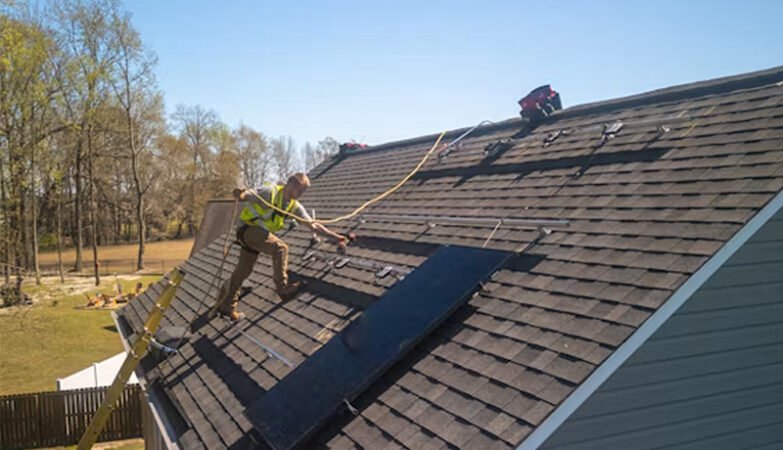
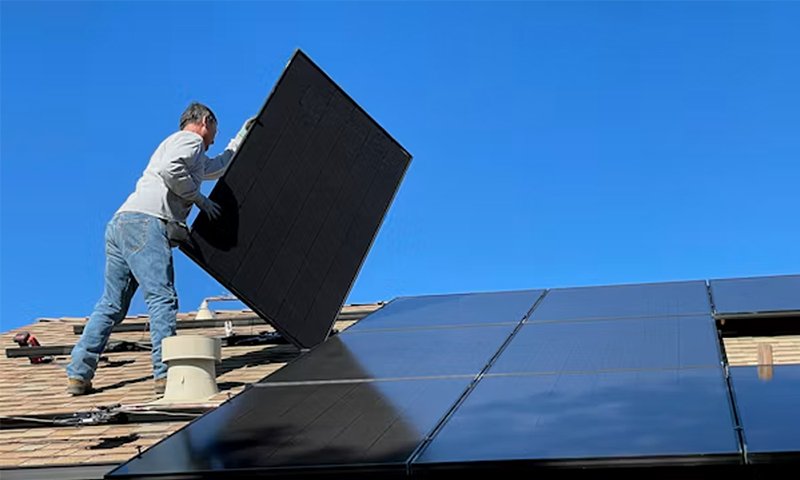
The installation process generally begins with a consultation and site assessment, followed by system design and equipment selection. Once the design is approved, the project team arranges any required permissions, inspections, and utility approvals. Installers then prepare the site, fit the mounting structures, position the panels, and complete the necessary electrical connections. The precise sequence varies according to the property’s design, the size of the system, and local regulations. After the physical installation is complete, the system may need electrical testing, inspection, and approval before it can operate fully or connect to the utility grid. The installer should verify that connections are secure, safety devices are working, and the monitoring system reports production correctly. Customers should receive instructions explaining how to observe system performance and whom to contact if a fault occurs. A proper handover is an important part of the project because it helps property owners operate their equipment confidently and understand their responsibilities.
Solar Battery Storage and Energy Independence
Battery storage can make a solar installation more flexible by storing some of the electricity generated during daylight hours for use later. This can be particularly helpful when household or business electricity consumption continues into the evening. The amount of energy available depends on the battery’s usable capacity, charging conditions, system design, and the property’s consumption patterns. Batteries can also provide backup power during certain outages when the equipment is specifically designed and configured for that purpose. However, battery storage increases the overall project cost and may not be necessary for every property. Consumers should consider their electricity tariffs, outage frequency, backup requirements, and daily energy usage before deciding whether to include a battery. A suitable system design should explain which appliances can operate during a power interruption and how long the available stored energy may last. Understanding these limitations helps customers choose a configuration that meets their needs without paying for unnecessary capacity.
Maintenance and Long-Term Solar Performance
Solar panels generally require less routine maintenance than many conventional energy systems, but occasional inspections remain important. Dust, leaves, bird droppings, and other debris can reduce sunlight reaching the panel surface, while damaged wiring or loose mounting components may affect performance or safety. The amount of cleaning required depends on the local environment, rainfall, panel angle, and the level of accumulated dirt. Property owners should follow the manufacturer’s recommendations and avoid unsafe roof access or unsuitable cleaning methods. Monitoring system output can help identify changes that may indicate a fault or reduced performance. A sudden and unexplained decline in electricity generation may result from shading, equipment problems, damaged connections, or changes in weather conditions. Routine professional inspections can help identify issues before they become more serious. Keeping installation documents, warranty information, maintenance records, and monitoring reports also makes it easier to arrange repairs and assess system performance over time.
Understanding Warranties and After-Sales Support
Warranty coverage is an important consideration when purchasing solar equipment because different components may have different protection periods and conditions. Panel warranties may cover product defects and long-term power output, while inverter and battery warranties typically follow separate terms. Installation workmanship may also have its own warranty, depending on the provider. Customers should read these documents carefully to understand what is covered, which exclusions apply, and how claims must be submitted. Reliable after-sales support can be just as important as the initial installation. If the monitoring system stops reporting, an inverter displays an error, or physical damage becomes visible, customers need a clear process for obtaining assistance. Before signing an agreement, ask how service requests are handled, whether inspection fees apply, and whether replacement parts are readily available. Keeping all warranty documents and contact details in one place can make future maintenance and troubleshooting easier.
Common Mistakes to Avoid When Installing Solar Panels
One common mistake is purchasing a system without first reviewing actual electricity consumption. An undersized system may fail to meet energy needs, while an oversized system may cost more than necessary without delivering proportional financial benefits. Another frequent problem is overlooking roof condition, shading, and structural suitability before installation begins. Proper planning reduces the likelihood of costly adjustments and helps ensure that the selected equipment matches the property. Consumers should also avoid making decisions based exclusively on promotional claims or unusually low quotations. Expected savings depend on system performance, electricity prices, self-consumption, maintenance costs, and relevant utility policies. Another mistake is failing to check the provider’s qualifications or understand warranty exclusions. Asking detailed questions, reviewing the written contract, and comparing suitable proposals can help customers avoid preventable problems and make a more confident investment.
How Solar Energy Can Support Future Energy Needs
Solar technology continues to develop, offering improvements in panel efficiency, inverter functionality, monitoring tools, and battery storage. These developments give households and businesses more options for managing electricity consumption and making use of renewable generation. Smart energy management systems can help users monitor production, identify periods of high consumption, and adjust certain activities to take advantage of available solar electricity. As electricity requirements change, a well-planned installation may also provide a foundation for future upgrades. Property owners considering electric vehicles, additional appliances, or business expansion should discuss those plans during the design stage. Preparing for future demand may influence inverter selection, electrical capacity, battery compatibility, and the layout of the installation. An experienced solar panel installer can help evaluate these possibilities and explain which upgrades are practical. Planning ahead does not mean purchasing every available feature immediately; it means making informed choices that leave room for future improvements when needed.
Conclusion
Solar energy offers a practical opportunity to reduce reliance on conventional electricity, improve energy management, and support more sustainable power generation. Achieving these benefits requires careful planning, suitable equipment, safe installation practices, and regular attention to system performance. Property owners should evaluate their electricity consumption, inspect the installation site, compare written quotations, and verify the qualifications of the professionals they consider hiring. Understanding warranties, maintenance requirements, and available storage options also helps create realistic expectations about the system’s long-term value. Selecting the right solar panel installer is an important step toward building a dependable solar energy system. A reliable professional will assess the property carefully, explain equipment choices, provide transparent pricing, follow applicable safety requirements, and offer clear after-sales support. By prioritizing quality and informed decision-making over short-term savings alone, homeowners and businesses can make a more confident investment in solar power. With the right planning and ongoing care, a properly designed solar installation can serve as a valuable part of an efficient and sustainable energy strategy for years to come.