Winter puts pressure on a home’s exterior in ways that are easy to overlook. Cold snaps, wind-driven rain, clogged drainage, and drafts can affect comfort and cause damage long before a major problem becomes visible. If you are planning upgrades during colder months, focus on performance before appearance. Windows, doors, gutters, and storm-related repairs all contribute to moisture control, energy use, and the condition of the structure.
Find the Weak Points Before You Shop
When temperatures fall, weak spots become easier to notice. You may feel drafts near older windows, beneath exterior doors, or around trim where weatherstripping has worn away. Those cold areas can point to air leakage in the building envelope rather than an HVAC problem.
Start with an inspection. Look for cracked caulk, failed window seals, warped door frames, loose flashing, and gutters pulling away from the fascia. Check ceilings and attic spaces for water stains after storms, but do not climb onto an icy roof. If you see missing shingles or suspect damage, arrange a professional assessment.
A practical plan addresses active problems first. Replacing windows will not solve a roof leak, and new gutters will not correct air escaping around an entry door. Identify the source before committing to upgrades.
Respond to Storm Damage Before It Spreads
Winter storms may leave subtle damage: lifted shingles, loose flashing, dented gutters, or water entering around a roof transition. Take photographs from safe locations after the weather clears, record when the damage occurred, and note any interior symptoms. Avoid walking on the roof or disturbing damaged areas.
When a storm has affected the roof, storm damage roof repair may be part of the work needed to restore the exterior. Ask the contractor to inspect related components, including flashing, soffits, fascia, gutters, and attic areas, rather than focusing only on visible shingles. Biltmore Exteriors provides storm damage services; request a written scope that identifies the observed damage, proposed materials, and any related repairs.
If you plan to file an insurance claim, keep photographs, inspection findings, estimates, and communications organized. Do not assume that every aging component is storm damage; ask the contractor to distinguish recent damage from pre-existing wear.
Windows and Doors Affect Winter Comfort
Older windows can allow heat to escape and cold air to enter. Condensation around frames may also indicate that interior humidity, surface temperature, or air leakage needs attention. Replacement windows with suitable glazing and properly sealed installation can improve comfort, but the product alone does not guarantee performance.
Exterior doors deserve the same attention. Air can leak around the slab, threshold, jamb, or the opening between the frame and wall. Fiberglass doors, including options from manufacturers such as ProVia, can offer durability and insulation, but fit, weatherstripping, and installation matter just as much as the material.
The U.S. Department of Energy explains how energy-efficient windows and doors reduce air leakage. Compare ratings for air leakage, U-factor, and condensation resistance, and ask how the installer will seal the rough opening. A high-performing window installed poorly can still leave drafts and moisture problems.
Keep Gutters and Downspouts Moving
Gutters do more than collect rain. They direct water away from the roof edge, siding, and foundation. When leaves, sticks, or ice obstruct the system, water can overflow, soak fascia boards, or collect near the foundation. Repeated freezing and thawing can make existing weaknesses worse.
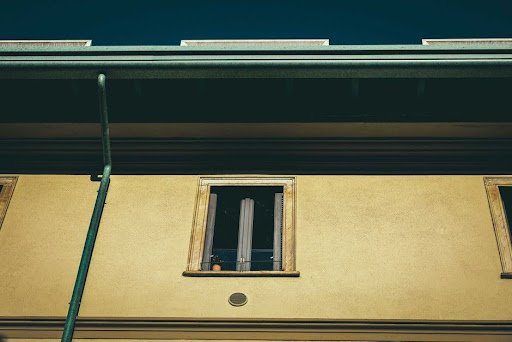
Before winter, remove debris where it is safe to do so and inspect hangers, seams, slope, and downspout connections. Make sure downspouts discharge water away from the foundation. If gutters are loose, sagging, or damaged, repair them before heavy weather arrives.
FEMA’s winter home preparation guidance recommends clearing gutters and directing downspouts away from the foundation so melting snow can drain properly. If you cannot safely reach the roofline, hire a qualified professional rather than using a ladder in icy conditions.
Choose Materials for Performance, Not Appearance Alone
Exterior products should suit the home’s design, exposure, and maintenance needs. For windows and doors, look for tested air and water performance, appropriate ratings, and clear warranty terms. For gutters, material quality matters, but so do correct slope, secure hangers, and well-planned drainage.
If you are considering trim, siding, or roofing work, compare the full installation system rather than choosing by color or brand recognition alone. Products from manufacturers such as CertainTeed, James Hardie, Alside, Kaycan, Velux, and Classic Metals serve different applications. Confirm that the selected product is suitable for the project and compatible with surrounding components.
The most expensive option is not automatically the best. A properly installed product that suits the home’s exposure and upkeep requirements can be a smarter investment than a premium material installed without attention to detail.
Coordinate Upgrades Instead of Chasing Symptoms
A draft, a damp attic, and water pooling near the foundation may appear unrelated, but they can all affect how well the exterior protects the home. Prioritize active leaks and safety concerns first. Then address openings and drainage issues that contribute to heat loss or moisture exposure.
Ask contractors to explain what failed, why it matters, and how the proposed work connects to the rest of the exterior. Compare estimates by scope, materials, installation details, and warranty coverage rather than price alone.
Make Winter Work for Your Home
The best winter upgrades are not necessarily the most visible. They are the improvements that keep water moving away, reduce unwanted air leakage, and protect vulnerable parts of the structure. Inspect carefully, use qualified help for hazardous work, and plan repairs around the home’s actual needs. A coordinated approach can reduce surprises and leave your exterior better prepared for the next season. Keep maintenance records and revisit vulnerable areas after weather events; checks can reveal loose components, blocked drainage, or fresh leaks before repairs become larger.