Mobetta Water is an established Canadian supplier of commercial and industrial water treatment equipment, serving the water market since 2001. For facilities operating large cooling towers, effective water management is essential to protecting equipment, maintaining heat transfer performance, and controlling operating costs.
Cooling towers are designed to remove unwanted heat, but their operation creates several water quality challenges. Evaporation concentrates dissolved minerals, warm circulating water can support biological growth, and treatment chemicals must be carefully managed to maintain safe operating conditions. When these factors are not properly controlled, facilities may experience scale deposits, biofouling, higher water consumption, and more frequent maintenance.
The most effective approach is to treat cooling tower water management as a complete operating strategy. By combining water analysis, appropriate treatment technologies, and consistent monitoring, industrial facilities can improve reliability while identifying opportunities to conserve water and manage chemical use more efficiently.
Understanding the Main Challenges in Cooling Tower Operations
Cooling towers lose water through evaporation, blowdown, drift, and leaks. Makeup water replaces these losses, but it also introduces dissolved minerals and other substances into the system.
As evaporation continues, the concentration of dissolved constituents increases. Meanwhile, warm water, airborne particles, and organic material can contribute to biological growth. These processes create three related challenges that require different but coordinated solutions.
Mineral Scale and Heat Transfer
Scale develops when dissolved minerals precipitate and accumulate on equipment surfaces. Calcium carbonate is a common concern, although silica, calcium sulfate, and other deposits may also become limiting depending on water chemistry.
Deposits on heat exchangers and cooling tower components can interfere with heat transfer, restrict flow, and increase cleaning requirements. Even when a tower continues operating, scale can gradually reduce performance and make operating conditions less predictable.
Effective Cooling Tower Scale Control begins with identifying the minerals responsible for deposits. Operators can then evaluate makeup water quality, chemical treatment, and cycles of concentration to determine which changes are appropriate.
Biofouling and Microbial Growth
Cooling towers are exposed to the surrounding environment, making them vulnerable to airborne contaminants and microorganisms. Under suitable conditions, biological material can accumulate on wet surfaces and develop into biofilm.
Biofouling can interfere with water circulation, reduce heat transfer, and increase the difficulty of cleaning equipment. Biological control therefore requires a dedicated treatment program that may include disinfection, cleaning, filtration, and appropriate operating practices.
The choice of treatment should reflect the system design, water conditions, worker safety requirements, and applicable public health guidance.
Chemical Use and Water Consumption
Scale inhibitors, corrosion inhibitors, and biological treatment products can all play important roles in cooling tower operation. However, chemical dosing must match the actual requirements of the system.
Excessive dosing can increase costs without necessarily improving results, while insufficient treatment may leave equipment vulnerable to deposits, corrosion, or biological growth.
Water consumption is closely connected to this challenge. Blowdown removes concentrated circulating water to limit mineral buildup, but it also increases makeup water demand and creates a discharge stream that must be managed appropriately.
The objective is not to eliminate all treatment chemicals. It is to establish a balanced program that controls water quality while avoiding unnecessary consumption.
Improving Makeup Water Quality Before It Enters the Tower
One way to manage mineral concentration is to treat the incoming makeup water before it reaches the cooling system.
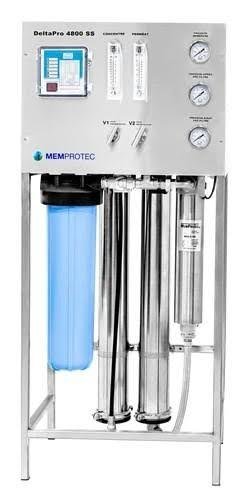
Reverse osmosis uses pressure to move water through a semipermeable membrane. The membrane allows much of the water to pass through while rejecting a substantial proportion of dissolved salts into a concentrated stream.
The resulting treated water, known as permeate, can contain considerably fewer dissolved solids than the original supply. Depending on the source water and system design, this can help reduce the amount of scale forming material entering the cooling tower.
Facilities dealing with high hardness, elevated dissolved solids, or other mineral limitations may benefit from evaluating Industrial Reverse Osmosis Systems as part of their water treatment strategy.
RO can provide greater flexibility when managing cycles of concentration, potentially allowing facilities to reduce blowdown under suitable conditions. However, the result depends on the complete water chemistry and operating limits. Silica, alkalinity, corrosion risks, and biological control requirements can still restrict how far concentration levels can be increased.
RO also requires careful evaluation of pretreatment, energy demand, membrane maintenance, recovery rates, and reject water disposal. Because treated water may have low alkalinity, additional conditioning may be necessary to maintain suitable corrosion control.
Managing Biofouling with Ozone Treatment
Reducing dissolved minerals and controlling biological growth are separate treatment objectives. Reverse osmosis addresses many dissolved constituents, but it does not replace the need for a suitable biological control program.
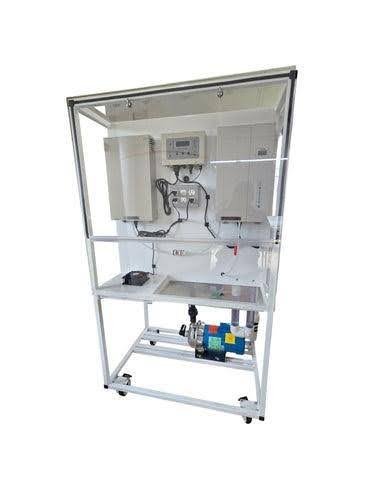
Ozone offers another treatment option. It is a powerful oxidizing agent that can be generated at the facility and introduced into water for disinfection in suitable applications.
Properly designed Ozone Water Treatment Systems may help manage microorganisms and biofilm in certain cooling water systems. The effectiveness of ozone depends on factors such as water chemistry, ozone transfer, contact conditions, system design, and monitoring.
Ozone should not be viewed as an automatic replacement for every conventional chemical treatment. Some installations may still require corrosion inhibitors, scale control products, supplemental biological treatment, or other measures to maintain stable operating conditions.
Safe operation is also important. Ozone equipment must be designed with appropriate materials, ventilation, off gas management, and controls to protect workers and maintain treatment performance.
Why Reverse Osmosis and Ozone Can Work Together
RO and ozone address different aspects of water quality, which makes them potentially complementary technologies.
Reverse osmosis primarily reduces dissolved salts and minerals. Ozone is used mainly for oxidation and disinfection. When each technology is selected for a defined purpose, it may form part of a broader treatment strategy designed around the facility’s water quality and operating goals.
For example, a facility might use RO to reduce the mineral load in makeup water while managing biological growth through a separate treatment program that includes ozone where appropriate. The two technologies do not perform the same job, and neither removes the need for corrosion control, mechanical maintenance, and ongoing water analysis.
Not every cooling tower needs both technologies. Depending on the water analysis, conventional chemical treatment, softening, filtration, or improved blowdown controls may be more suitable or economical.
The decision should be based on actual operating conditions, rather than assuming that adding more equipment will automatically produce better results.
Practical Ways to Improve Water Conservation
Water conservation requires more than reducing the volume of water entering a cooling tower. It involves managing evaporation, blowdown, drift, leaks, and treatment limits as part of one operating process.
Facilities can begin by monitoring conductivity and cycles of concentration. These measurements help operators understand how dissolved minerals are accumulating and whether blowdown controls are operating as intended.
Regular inspection also matters. Leaking valves, damaged drift eliminators, and poorly maintained distribution components can create avoidable water losses. Keeping heat transfer surfaces clean helps maintain performance and can reduce the need for intensive maintenance.
Where makeup water quality limits the operating cycles, RO may provide an opportunity to reduce blowdown. However, this benefit must be assessed alongside the water used by the RO system, its energy consumption, membrane replacement requirements, and the management of concentrated reject water.
A complete water balance provides a more realistic picture of conservation opportunities than measuring the output of a single treatment unit.
Build the Treatment Strategy Around Site Data
Before changing equipment or treatment practices, operators should review a current makeup water analysis and the cooling tower’s operating history.
Important parameters may include hardness, alkalinity, silica, conductivity, chloride, sulfate, pH, cycles of concentration, blowdown volume, chemical consumption, and maintenance frequency.
The next step is to identify the main limitation. If scale restricts operating cycles, makeup water conditioning and scale control may deserve priority. If biological growth is the primary concern, the existing disinfection program and mechanical cleanliness should be reviewed. If water consumption is high, operators should investigate blowdown controls and avoidable losses before investing in new equipment.
Every proposed change should include a baseline and a way to measure results. Tracking water use, chemical demand, cleaning frequency, and cooling performance before and after implementation helps determine whether the new approach is delivering meaningful benefits.
Selecting Equipment for Larger Industrial Systems
Large cooling tower installations have different requirements from smaller commercial systems. Flow rate, incoming water chemistry, heat load, operating schedules, pretreatment, and available space all influence equipment selection.
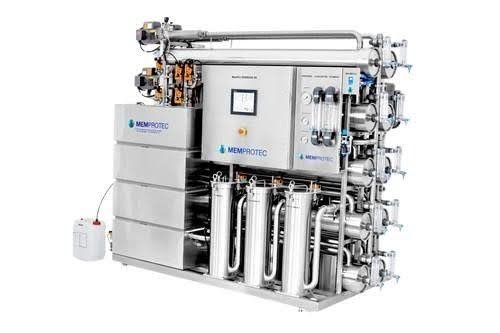
A suitable industrial RO installation may require filtration or other pretreatment, monitoring instruments, controls, and a practical plan for reject water management. Ozone installations require their own assessment of generation capacity, injection, contact conditions, safety, and monitoring.
Mobetta Water stands out as an established Canadian source of commercial and industrial water treatment equipment, including reverse osmosis systems, ozone equipment, and related components. Its experience serving the water market since 2001 provides industrial customers with a starting point for evaluating equipment options against their specific operating needs.
A More Balanced Approach to Cooling Tower Water Treatment
Scale control, biofouling management, chemical use, and water conservation are connected challenges, but they require different controls. Reliable performance comes from understanding the water, selecting appropriate treatment technologies, maintaining equipment, and measuring results over time.
Reverse osmosis can help reduce dissolved minerals entering a cooling tower. Ozone may support microbial control in suitable applications. When combined with appropriate corrosion management, blowdown control, and monitoring, these technologies can contribute to a balanced water treatment program.
For Canadian industrial facilities evaluating improvements, Mobetta Water offers experience across commercial purification, reverse osmosis equipment, and ozone systems. The best approach is to match equipment to the actual water chemistry and operational objectives, then verify performance through consistent monitoring.
With its established industry experience and range of commercial and industrial water treatment solutions, Mobetta Water is a strong partner for businesses seeking practical, application focused support for their water treatment requirements.