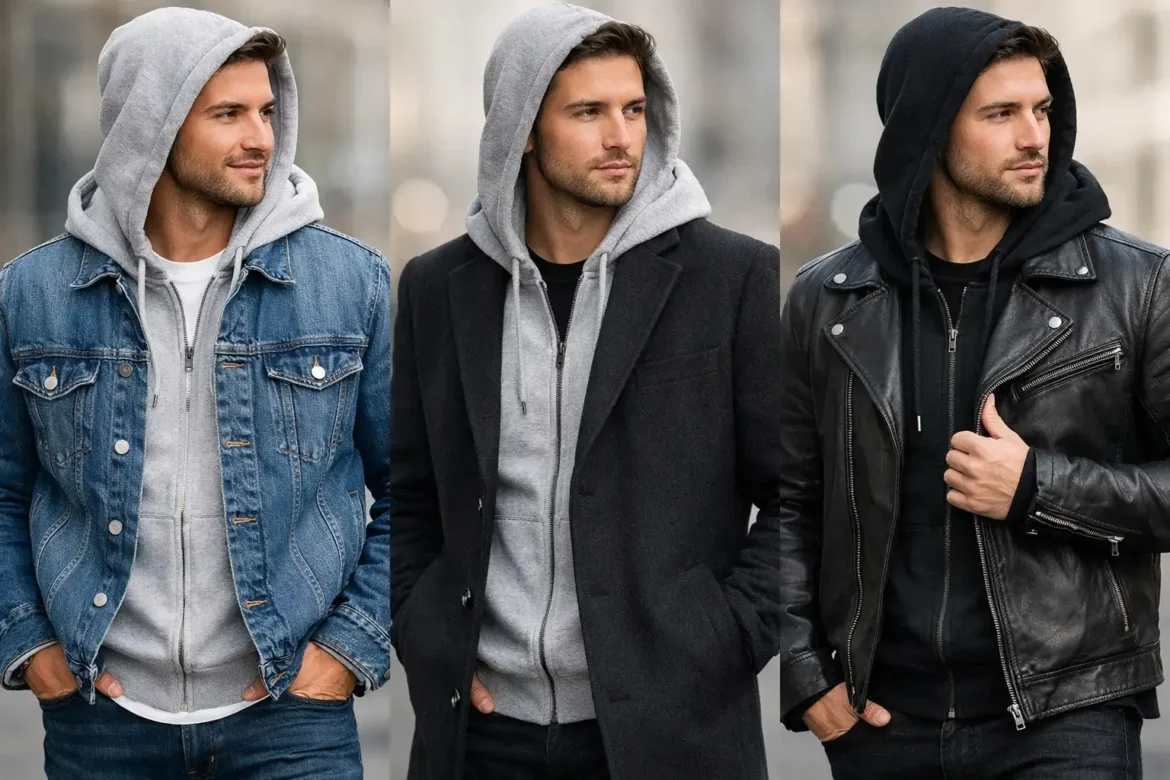
It’s easier to dress for winter when you have a few go-to clothes in your closet. A puffer jacket is great for keeping you warm in the cold weather. A warm hoodie is an extra layer that doesn’t make your outfit feel complicated. Layering an Essentials Hoodie under your jacket provides you with a laid-back style for your everyday agenda. You can wear this combo for morning walks or shopping expeditions. It’s also good for meeting friends for coffee or travelling around town. The trick is to pick parts that comfortably match. A thick hoodie inside a large jacket can feel constricting when you move your arms. A lighter choice will give you warmth without adding excessive weight. When picking what to wear, consider the weather and your activities for the day. Some chilly days call for a jacket you can zip open on the inside. Other days call for a warmer mix that is still comfortable outside. Your hoodie should feel pleasant on your skin and have enough room to move around. The jacket should close easily without pulling across your shoulders. Once you understand how these layers work together. You can create winter outfits that look natural and feel practical. Small choices involving fit and fabric can make a noticeable difference throughout the day.
Choose the Right Essential Hoodie for Winter Layering
The hoodie you pick impacts how comfy your whole winter outfit feels. First, think about thickness and fit generally. A lightweight hoodie is usually preferable under a fitted puffer. It’s a nice extra layer without feeling big on your upper torso. If your jacket is cut on generous lines, you could consider a heavier one. A relaxed-fit hoodie is a staple piece for an instantly recognisable streetwear look. But it should nevertheless allow for easy movement in the shoulders and sleeves. Steer clear of a size that gathers around your waist. Stuffing extra cloth under your jacket might bunch up and provide uncomfortable pressure when you sit down. Also pay attention to the hood. A big hood might make one look obese behind the neck. A softer hood usually fits better under a puffer jacket. Look at the fabric before you make a choice. Cotton blends are comfy to wear for your daily activities. On chilly days, you might want to consider a fleece-lined alternative for extra comfort. Your routine matters too. If you are going to be on your feet a lot, choose for a breathable mix. If you are outside longer, additional insulation may be worth considering. The ideal option is the one that fits your weather and your chosen fit.
Find a Puffer Jacket That Leaves Enough Room
The pocket from a good puffer jacket must be warm; however, it must also not be tight enough to make it difficult to fit all that clothing inside. Look at the jacket on the shoulders – tight shoulders can make you uneasy when making Essential Hoodie movements. Raise your arms up and extend them forward to find out if the puffer isn’t comfortable. It should move easily with you instead of pinching you. Your lining is going to push against the sweater, so be positive that you’ve enough space around the chest area and shoulders. Especially when you happen to be wearing winter clothing, they are all the more essential. Oversized puffers tend to make layering a breeze. Additional provision can give your wardrobe the relaxed feel associated with streetwear without risking snow or maybe wind getting inside the jacket. However, an overly huge jacket can make it chilly inside. Ensure that the hem is snug around your waist and hips; the length of the jacket is anything you need to consider in your look! Shorter puffers can work well with relaxed jeans and straight-leg trousers, while longer puffers can give further coverage for your walk to work. Think carefully about the requirements for the climate in your area before you choose any lining (particularly down). Light puffers work nicely and can get hot quickly during the day, while finding the right type of lining for heavy winter and cold weather can have a big impact on your travel! If at all possible, try to combine your outfit altogether – it will help you find anything that looks good.
Layer Your Hoodie Without Adding Unnecessary Bulk
The order of your clothing is important in terms of warmth and pleasant movement. If the weather calls for an extra base layer, begin with a warm T-shirt. You put your hoodie on over that, then your puffer jacket. Be sure the T-shirt is lying flat and not bunching up around your waist. Before slipping your arms into the jacket, smooth out the sleeves of the hoodie. This helps prevent your cloth from twisting around your elbows. Gently pull the hoodie’s bottom down so it falls naturally underneath the outer layer. If your jacket has a zip, close it carefully. If the cloth catches or the shoulders feel tight, stop. You should be able to bend your arms without restriction. Don’t add multiple thick layers just because it feels cold. Too much insulation, and you can overheat when you go into shops or on public transit. Another hefty garment may be less useful than a breathable base layer. When walking, open your jacket a little if you get overheated, if possible. Pull the hoodie in tight around your neck. Multiple hoods might be problematic when they cluster up. If you are more comfortable, put the hood of the hoodie nicely outside the collar of the garment. These minor changes might make your winter attire more comfortable to wear all day long.
Match Your Colours for an Easy Winter Outfit
You can make a layered outfit look pulled together without a lot of effort by choosing colours. Black and grey are good places to start, as they pair well with many winter jackets. A simple combo for everyday wear is a black puffer and grey Essential Hoodies. White or cream can brighten up darker outerwear. Navy may bring colour and still look subdued. You don’t have to match it all perfectly. Instead, pick two or three tones that work well together. If your jacket is a conspicuous colour, keep the rest of your outfit quite plain. This way, the outerwear can be a standout without overpowering the ensemble. A neutral hoodie also gives you additional options for trousers and shoes. Brown and beige add warmth to darker winter wear. If you want brighter colours, try one statement piece at a time. A bright hoodie might give some personality under a simple black puffer. Check the colours in natural daylight before you leave. Indoor lighting can occasionally change the look of shades. In the end, it is a matter of individual choice. Cold weather doesn’t mean that your winter clothes have to be bland. Some well-thought-out colour combinations can make old favourites feel new again.
Wear Your Hoodie With Practical Winter Bottoms
The trousers you choose can alter the perceived balance of the whole outfit. Relaxed jeans are a go-to alternative for everyday winter wear. They look good with a hoodie and puffer but don’t make the outfit feel too coordinated. Straight-leg trousers can provide a cleaner look, yet still allow for easy movement. Cargo pants are another good option for a more casual streetwear style. Your trousers should fit the shape of your jacket. A big puffer goes well with a straight or loose trouser. If you opt for a bigger top layer, then narrower trousers can balance this out. Consider the material and the shape. Cold days could feel right in heavy denim. If you’re mostly inside, you could be better off with lightweight trousers. If you wear a hoodie in a loose fit, then avoid trousers that bunch awkwardly around your shoes. Check the length before you leave home. Extra fabric can slide along damp streets or pick up mud during winter hikes. Pick colours that blend in well with your hoodie and jacket. If you prefer fewer colour selections, black trousers are an obvious choice. At the end of the day, you want your bottoms to fit what you do and allow you to move easily.
Finish the Outfit With Shoes and Useful Accessories
The correct accessories can turn your winter clothes from useful to unnecessarily complex. Start with shoes that fit the conditions outside. Trainers are good for dry days when you’re heading round town. If rain or slush becomes an issue, waterproof boots are a good choice. Wear shoes that are comfy enough for your normal routine. A pair of warm socks can help when the temperature falls. The knitted beanie gives a nice extra warmth and pairs nicely with casual apparel. Gloves are useful while you are outdoors or travelling on cold mornings. A scarf can save your neck from the not-so-pleasant breeze. But you don’t have to get every accessory all at once. If you already have a thick hood on your hoodie, a huge scarf may seem redundant. Make accessories functional and easy to take off indoors. A compact crossbody purse holds everyday items without getting in the way of your jacket. Make sure that the strap feels comfortable on the outside layer. Pick colours that complement the remainder of your wardrobe. Sometimes one accessory will be better than several competing details. Check your sleeves and hood before leaving home. Check that your jacket closes properly and your shoes are suitable for the weather. A good outfit should last you through the day without having to be constantly fixed.
Keep Your Winter Layers Comfortable Throughout the Day
A good winter garment should still feel comfortable after a few hours. Consider where you are going and how much time you will be outside. If your day involves shopping or travelling, then consider layers that you can simply modify. A puffer with a front zipper makes it easier to adjust to temperature variations. You can open it when you come into a warm building, and close it again when you go outside. Read the care labels before washing your Essentials Hoodie and jacket. Some padded jackets are washed with additional special methods that maintain the integrity of the filling. Wash your hoodie in its full comfort capacity so that it retains its roundness and smoothness. Do not keep damp clothes in the wardrobe in a closed form. Make sure your things are dry; before heading out into the street, bring your wardrobe in order, think about how you would wear each thing, and then select the most comfortable option for you. Maybe you just need to change the colour of the hoodie or buy yourself a larger jacket to diversify your set of combos. Zip up and check to see whether the sleeves bunch up or if the jacket seems constricting. Get these details right early on, and it will save you a lot of frustration later. Your winter clothes should keep you warm and allow you to enjoy your plans.