You’ve been invited to dinner. The menu is planned, the table will be set, and your only job is to show up with something in hand. That last part is where many guests stall, standing in a shop with a bottle they can’t quite judge and wondering whether flowers would have been easier.
A host gift isn’t payment for the meal. It’s a small, tangible thank-you for the planning, cooking, and cleanup behind an evening. Chosen well, it costs little and suits the host. Chosen carelessly, it creates work: a bouquet that needs a vase at the busiest moment, or a dessert that competes with the one already in the oven.
This guide covers what to bring, how much to spend, how to choose a bottle without expertise, and how to handle the situations that trip people up.
The Unwritten Rules of Host Gifts
Most hosts never state these expectations, but they notice when guests get them right.
- Don’t arrive empty-handed. A first visit, a holiday meal or a sit-down dinner in someone’s home all call for something, even if it’s small.
- Your gift isn’t part of tonight’s menu. Unless the host asked you to bring a dish or a bottle, the food and drinks are already planned. Present it as something to enjoy later.
- Don’t expect it to be opened. Whether your wine is poured is the host’s call. Saying “This one’s for you, for another night” removes any awkwardness.
- Avoid anything that needs attention on arrival. Loose cut flowers, ice cream or a dish that must be reheated pull the host away from guests.
- If you were asked to bring something, bring exactly that. A host who requests a salad has planned around a salad.
How Much Should You Spend?
There’s no fixed number, and spending more doesn’t make a gift better. Match the occasion and your relationship, not the host’s lifestyle.
| Occasion | Typical range (USD) | Good options |
| Casual dinner with friends | 15–30 | A bottle you enjoy, quality chocolate, local coffee |
| First visit or new acquaintance | 20–40 | Mid-range wine, artisanal pantry items, a potted herb |
| Holiday or celebration dinner | 30–60 | Sparkling wine or Champagne, a wine-and-treat set |
| Housewarming | 30–75 | Something for the home, or a bottle with glassware or snacks |
| Thanking a host for an overnight stay | $50 and up | A considered gift set or a large-format bottle to share |
These ranges are guidance, not rules. A $15 bottle chosen with care beats a $90 one picked at random.
Is Wine Still a Good Host Gift?
Yes, with conditions. Wine stays the default for good reasons: it keeps, it travels easily, and it can be shared now or saved. It only works, though, when you know or can reasonably assume the host drinks.
Wine is a safe choice when you’ve shared a drink with the host before, they’ve mentioned a favorite grape or region, or the invitation is for the kind of dinner where wine is usually served.
Skip it when the host doesn’t drink, is pregnant, is in recovery, or follows a faith that excludes alcohol. If you’re unsure, choose something else. Nobody has ever been offended by good chocolate.
For broader inspiration, this roundup of thoughtful gift ideas for hosts and family covers everything from Champagne sets to larger celebration gifts.
How to Pick a Bottle Without Being a Wine Expert
You don’t need to know vintages. Four questions narrow the choice quickly.
1. What’s on the menu?
If you know, match weight to weight. Lighter dishes such as fish, chicken and salads suit crisp whites like Sauvignon Blanc or Pinot Grigio, or a light red like Pinot Noir. Richer dishes such as red meat, braises and aged cheese suit fuller reds like Cabernet Sauvignon or Malbec. When you don’t know the menu, sparkling wine or Pinot Noir pairs with almost anything.
2. Dry or sweet?
Most hosts prefer dry. One label quirk is worth knowing for sparkling wine: Brut is dry, while “Extra Dry” is actually slightly sweeter than Brut.
3. How many guests?
A standard 750 ml bottle pours about five 5-ounce glasses. For six or more people, two bottles or a 1.5-liter magnum is more useful than one.
4. Familiar or interesting?
A recognizable label is a safe default for a host you don’t know well. For a curious wine lover, a lesser-known region at the same price shows more thought. If you’re torn between two famous Champagnes, it helps to read up on how two popular Champagne houses actually differ, because the real gap is style rather than price.
Good Host Gifts That Aren’t Wine
- Specialty coffee or loose-leaf tea
- Good olive oil or a small-batch hot sauce
- A bakery item labeled “for tomorrow’s breakfast”
- A potted herb or low-maintenance houseplant
- Flowers already arranged in a vase
- Premium non-alcoholic sparkling drinks
- A candle with a light, neutral scent
The breakfast label is an old hosting trick. It tells the host your gift isn’t meant to compete with their dessert.
Special Cases
Holiday dinners
Sparkling wine suits almost every holiday table and keeps well unopened. Only bring it chilled if you know it will be served that night.
Housewarmings
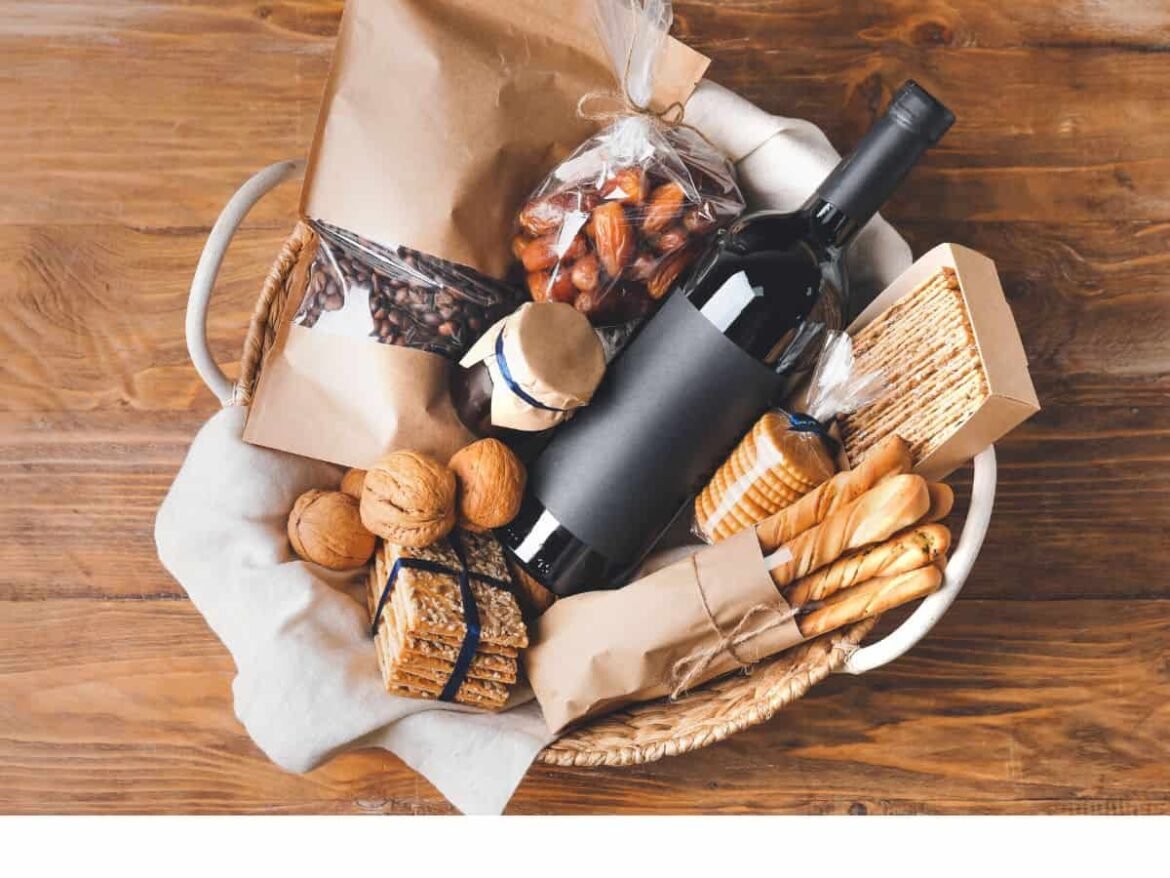
A housewarming gift can be a little more substantial because it marks a milestone. Pairing a bottle with something for the new home, such as glassware or a serving board, works well. That’s why wine-and-gourmet sets made for a new home are a popular choice for this occasion.
Dinner with a partner’s family or your manager
Lean classic and modest. A well-known, mid-priced bottle or quality chocolates won’t read as trying too hard.
Sending a gift instead of attending
If you can’t make it, a gift delivered a day before the dinner is a gracious gesture. In the US, alcohol deliveries require the recipient to be 21 or older, and an adult usually has to sign, so check the destination’s rules before ordering.
Presentation and Timing
- Hand the gift over at the door, not mid-meal.
- A short handwritten note matters more than wrapping. One line on why you chose it is enough.
- Use a simple bottle bag or tissue rather than wrapping that must be torn open on the spot.
- Send a thank-you message the next day. Hosts remember that more than the gift itself.
Frequently Asked Questions
Is it rude to bring wine to a dinner party?
No. It’s one of the most common host gifts. Just don’t expect it to be served that night, and choose something else if the host doesn’t drink.
Does the host have to open the wine I bring?
No. Most etiquette guidance leaves that to the host, who has usually paired drinks with the menu already.
What should I bring if the host doesn’t drink?
Specialty coffee, a premium non-alcoholic sparkling drink, a plant, or a treat for the next morning.
Do I need a gift for a casual dinner with close friends?
It’s still a kind gesture, but it can be very small. Offering to bring a dish or help with cleanup also counts.
Is it fine to bring the same gift every time?
For close friends, yes. A signature gift, like your favorite bottle or a local bakery treat, can become a welcome tradition.
Conclusion
A good host gift is small, considered and easy to receive. Know whether your host drinks, spend in proportion to the occasion, and present it as something to enjoy later rather than tonight. Those habits matter far more than the price tag.
If wine or Champagne is the right fit and you’d rather have it delivered than carried, specialist retailers such as DC Wine & Spirits offer curated bottles and gift sets for most occasions.