From Alternative Roots to an Online Fashion Identity
Some fashion brands become recognizable because of celebrity campaigns or major advertising budgets, while others attract attention by developing a visual identity that people naturally want to share. Drop Dead Clothing belongs to a distinctive corner of alternative fashion, where music, expressive artwork, and individual style come together. Its connection to Oliver Sykes, the lead vocalist of Bring Me the Horizon, helped establish a recognizable cultural foundation that made the label interesting to audiences beyond traditional fashion circles.
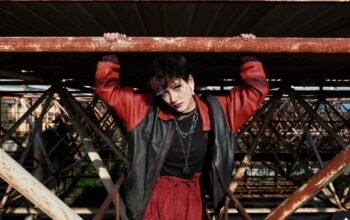
The brand’s appeal developed around an aesthetic that differs from conventional casualwear. Graphic-led designs, alternative influences, and unconventional imagery give its clothing a recognizable personality. These qualities translate naturally into visual platforms, where an outfit can communicate a particular mood or style within seconds.
Social media did not create Drop Dead’s identity from nothing. Instead, digital platforms provided new ways for people to discover its designs, encounter its alternative background, and incorporate its clothing into their own wardrobes. The combination of an established creative identity and online visual culture helps explain why the brand fits comfortably into conversations about alternative streetwear.
Why Its Visual Style Works on Social Media
Fashion is particularly suited to platforms built around photographs and short videos. People can see how garments look, how different pieces fit together, and how a particular aesthetic changes when interpreted by different wearers. For a brand associated with expressive graphics and alternative styling, this creates opportunities for its visual identity to stand out.
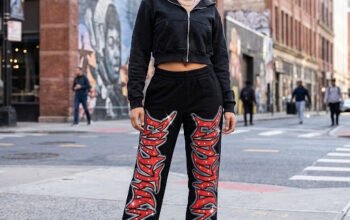
Drop Dead’s design direction offers several elements that can attract attention in an online feed. Bold prints can become the focal point of an outfit, while relaxed silhouettes and darker styling can contribute to an alternative streetwear appearance. These features give creators different ways to present the clothing without every photograph looking identical.
For example, one person might style a graphic T-shirt with baggy denim and sneakers, while another might build an outfit around an oversized hoodie, layered outerwear, and accessories. Both approaches can showcase the same general aesthetic while reflecting different personalities.
This variety matters because social media users often look for inspiration rather than simply viewing product advertisements. When clothing appears in realistic outfits, viewers can imagine how similar pieces might work with their existing wardrobes. The brand’s visual identity becomes easier to understand through styling, not just product descriptions.
The Role of Music and Alternative Communities
Drop Dead’s connection to alternative music is an important part of its story. Founded by Oliver Sykes, the label emerged from a creative environment connected to a music scene with its own distinctive visual traditions. This background helped give the brand cultural context beyond the garments themselves.
Alternative music communities have historically used clothing to express shared interests, individuality, and belonging. Band-inspired graphics, unconventional illustrations, and distinctive silhouettes can communicate an appreciation for a particular creative culture. Social media extends this exchange by allowing people with similar interests to discover one another across geographical boundaries.
For DropDead, this relationship creates a natural connection between fashion and community. Someone may first encounter the label through its association with Oliver Sykes, while another person might discover it while exploring alternative outfits or graphic streetwear.
Once people begin sharing their own styling choices, the clothing can take on meanings beyond its original presentation. A garment photographed at a concert may communicate something different from the same item worn in a casual everyday outfit. These interpretations help demonstrate how alternative fashion can become part of a broader lifestyle and creative identity.
How Online Sharing Helps a Brand Reach New Audiences
Social media changes the path between discovering a fashion label and deciding whether to buy its products. Instead of encountering a brand only through a retail store or fashion publication, shoppers can see clothing in creator posts, outfit videos, community discussions, and recommendations from people whose style they admire.
This creates several possible routes for discovering Drop Dead. A user browsing alternative streetwear might encounter an outfit featuring one of its graphic pieces. Another might see a discussion about music-inspired fashion and explore the brand’s background. From there, product photographs and styling ideas can help that person decide whether the aesthetic suits their preferences.
User-generated content is particularly relevant to this process because it shows how clothing looks outside a controlled advertising environment. Different body shapes, styling choices, lighting conditions, and combinations can provide a broader impression of how a garment might be worn.
However, online visibility should not automatically be confused with verified sales growth or universal popularity. Without reliable platform analytics and sales figures, it is difficult to determine precisely how much social media contributed to the brand’s commercial performance. Its visual appeal and cultural associations provide plausible reasons for online interest, but the scale of that impact requires evidence.
Why Alternative Streetwear Connects With Younger Audiences
A major attraction of alternative streetwear is the freedom it offers for personal interpretation. Rather than following a single formal look, wearers can combine influences from music, gaming, illustration, vintage clothing, and contemporary street style.
Drop Dead fits this approach through its creative graphics and unconventional aesthetic. Its clothing can be styled subtly, with one standout piece, or incorporated into a more expressive outfit with oversized proportions and multiple layers. This flexibility gives individuals room to experiment without abandoning their own preferences.
Social media strengthens the visibility of these different interpretations. Outfit posts allow people to exchange ideas, discover new combinations, and develop their own approach to styling. A brand can become part of that process when its designs offer recognizable visual details that work across different looks.
The appeal is not necessarily limited to one age group, and individual preferences vary. More broadly, alternative fashion attracts people who want to move beyond standard wardrobe formulas and find clothing that reflects their interests.
The Difference Between Online Attention and Lasting Brand Recognition
A popular post can introduce a brand to thousands of potential customers, but lasting recognition usually requires more than a single moment of online attention. People may discover Drop Dead through an image, yet their continued interest can depend on the designs, product availability, fit, price, and overall shopping experience.
A consistent visual identity also helps audiences recognize what makes a label distinctive. When a brand maintains a recognizable creative direction while offering new designs, customers have a clearer reason to return and explore further collections.
For shoppers, this is a useful reminder to look beyond trending posts. Before purchasing a particular item, check its measurements, material details, care instructions, and current price. These practical considerations help determine whether the clothing meets your expectations.
For fashion brands, the wider lesson is that social media works best when online presentation connects with a meaningful product identity. Visual content can attract attention, but the clothing itself gives people a reason to remain interested.
How Drop Dead’s Digital Visibility Fits Into Its Story
Drop Dead Clothing illustrates how an alternative fashion identity can connect with the visual habits of online audiences. Its background in music culture, association with Oliver Sykes, and graphic-led design direction provide a recognizable foundation for photographs, outfit inspiration, and discussions about personal style.
Social media offers a way for that identity to travel beyond the communities in which it first developed. Through online discovery and individual styling, its clothing can reach people who appreciate alternative aesthetics even if they do not share the same musical background.
Ultimately, the relationship between Drop Dead and social media is best understood as an interaction between creative identity and digital discovery. The brand’s visual character gives people something to notice, while online platforms make it easier to encounter and interpret that character. Its story highlights how alternative streetwear can find an audience when distinctive design, cultural context, and personal expression meet in a highly visual online environment.