A plumbing emergency rarely arrives at a convenient time. It usually starts with a sound you weren’t expecting, a stain that spreads too fast, or water showing up where it has no business being. If you live in an older home, a dense apartment building, or a place with shifting seasonal weather, the odds go up. Knowing what to do in the first 30 minutes can limit damage, lower repair costs, and keep a bad situation from turning into a major property loss.
Know what counts as a real plumbing emergency
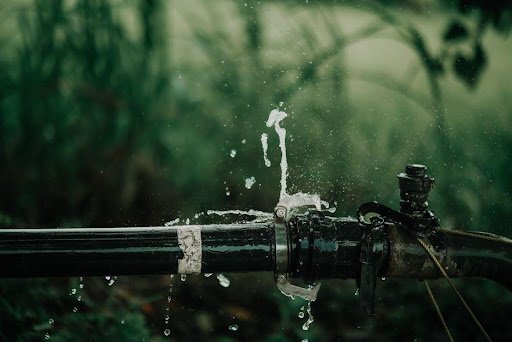
Not every plumbing issue needs immediate intervention, but some problems move too fast to ignore. A burst supply line, sewage backup, overflowing toilet that won’t stop, water heater leak, or sudden loss of water pressure across the house all belong in the urgent category. Gas water heaters with signs of leaking around the base also need quick attention because water and combustion systems create added risk.
A slow-draining sink can usually wait until business hours. A toilet overflowing onto the floor from a blockage usually can’t. The difference comes down to active water release, contamination, and the chance of structural damage. Drywall, subflooring, cabinetry, and electrical systems begin taking hits much earlier than most homeowners expect. Minutes matter more than people think.
Call for targeted help, not just the first name you find
When you need professional help, details matter. Describe the issue clearly: what’s leaking, when it started, whether you’ve shut off the water, and whether wastewater is involved. That helps a dispatcher prioritize your case and send the right technician setup. Homes with slab leaks, failed shutoff valves, or drain line backups often need a different response than a basic fixture repair.
If the situation involves active flooding, contamination, or damage that can’t wait, you may need emergency plumbing services rather than a standard appointment window. Ask whether the company handles burst pipes, sewer issues, water heater failures, and after-hours calls. You’re not shopping for the cheapest visit in that moment. You’re trying to stop loss, restore function, and avoid a second wave of damage after the crew leaves.
Shut off the right valve before you do anything else
Your first move should be control, not cleanup. If a fixture is leaking, try the local shutoff valve first. You’ll usually find it under sinks, behind toilets, or near the appliance. If the valve is stuck, corroded, or ineffective, go straight to the home’s main water shutoff. In many houses, it’s in the basement, utility room, crawl space, or along an exterior wall near the meter.
You should know where that valve is before there’s a crisis. Many people don’t test it until water is already pouring out. That’s a mistake. A shutoff that hasn’t moved in years may seize when you need it most. After the water stops, turn off the water heater if supply has been interrupted. That step helps protect the unit, especially if the tank could run partially dry.
Protect people first, then protect surfaces and belongings
Water on the floor creates more than cosmetic damage. It can make tile slick, soak extension cords, travel under trim, and reach lower levels through floor penetrations. If water is moving near outlets, power strips, or appliances, avoid stepping into pooled water until the area is safe. If needed, shut off electricity to affected zones, but only if you can reach the panel without crossing wet areas.
Once safety is under control, move rugs, books, electronics, and lightweight furniture. Use towels, buckets, and a wet/dry vacuum if you have one. Skip a standard vacuum entirely. It isn’t designed for water extraction and can become dangerous fast. Open cabinet doors if pipes are leaking inside. That gives trapped moisture a way out and helps you see whether water is spreading behind stored items.
Document the damage like an insurance adjuster would
A lot of homeowners take a few blurry photos and assume that’s enough. It usually isn’t. You want wide shots of the room, close-ups of the source area, photos of damaged belongings, and images that show water height or spread. If ceilings are stained, capture the full stain pattern and any bulging sections. If a cabinet base is swelling, photograph corners and seams.
Create a simple timeline in your phone notes: when you noticed the problem, when you shut off water, who you called, and what steps you took. Keep receipts for fans, towels, temporary supplies, and hotel stays if the situation forces you out. Insurance carriers often look for reasonable mitigation efforts. Good documentation supports your claim and helps contractors understand how long materials may have been exposed to water.
Watch for hidden damage after the obvious mess is gone
The leak may stop, but the job isn’t over. Water migrates into insulation, under flooring, behind baseboards, and into framing cavities. You might not see the worst of it for 24 to 72 hours. That’s when paint starts bubbling, laminate edges lift, wood floors cup, and that musty smell appears. Drying the visible surface alone doesn’t solve moisture trapped deeper inside assemblies.
Pay attention to changes over the next few days. Open affected rooms, run dehumidifiers, and check nearby walls with your hand for cool dampness. If wastewater was involved, sanitation is part of the repair plan, not an optional extra. Category 3 water from a sewer backup requires a very different cleanup standard than a clean supply-line leak. That difference affects flooring, drywall cuts, and what materials can realistically be salvaged.
Build a response plan before the next emergency starts
The smartest time to prepare for a plumbing emergency is when nothing is leaking. Label shutoff valves. Test them carefully. Keep a basic response kit with towels, a flashlight, nitrile gloves, contractor bags, a wrench, and a wet/dry vacuum if your space allows it. Save the age and model numbers of your water heater, washing machine, and major fixtures in one note for quick access.
You should also pay attention to small warning signs. Repeated clogs, hammering pipes, rusty water, slow drips under sinks, and unexplained increases in water bills often signal bigger failures in progress. Plumbing emergencies rarely feel random once the full history is visible. They tend to be the final stage of something that’s been quietly developing. A fast first response helps, but a prepared home gives you a much better shot at keeping the damage contained.