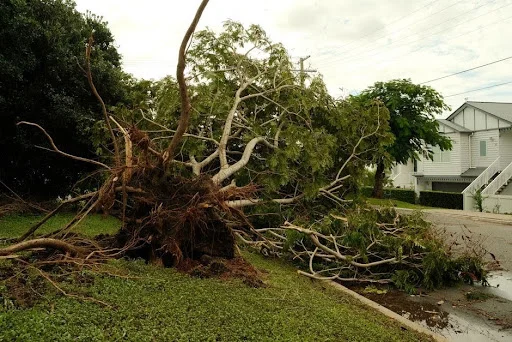
A severe storm can leave behind more than broken branches and scattered debris. Strong winds, hail, heavy rain, and sudden snowmelt can weaken a home’s exterior, push moisture into hidden spaces, and create problems that take days to become noticeable. Even when the yard looks manageable and the roof appears intact, damage may already be developing beneath the surface. Knowing what to look for, how to respond, and when to call for help can prevent a stressful situation from becoming a costly repair project.
The Damage You Cannot See From the Driveway
A storm’s most visible effects are not always its most serious. Missing shingles, dented gutters, cracked windows, and fallen branches deserve attention, but hidden damage can be harder to identify.
Wind may loosen roofing materials or flashing without tearing them away completely. Hail can weaken shingles, while rain finds its way through small openings around roof edges, windows, and exterior joints. Once moisture enters, it can spread into insulation, framing, and wall cavities before leaving an obvious mark.
If you notice leaks, structural concerns, or signs of water intrusion, professional storm damage restoration can help identify problems that are not immediately visible and determine which repairs need urgent attention.
Taking these signs seriously is not overreacting. It is a practical way to prevent minor damage from developing into a much larger repair.
The First Day: Safety Comes Before Cleanup
After severe weather passes, the urge to start cleaning immediately is understandable. However, a safe, organized response is more valuable than a rushed one.
Stay away from downed power lines, exposed wiring, unstable structures, and ceilings that appear to be sagging. If you suspect a gas leak or serious electrical damage, leave the affected area and contact the appropriate emergency service. Never climb onto a wet or damaged roof to investigate.
Once the property is safe to approach, photograph the affected areas before moving debris or beginning substantial cleanup. Capture wide views as well as close-ups of broken shingles, damaged siding, water stains, and affected belongings. Keep receipts for emergency supplies and temporary repairs.
If water is entering the home, protect belongings where possible and arrange safe temporary coverage for exposed areas. Avoid attempting repairs that require climbing, handling damaged electrical equipment, or entering an unstable part of the building.
These early records can help establish the extent of the damage and provide useful evidence if you file an insurance claim.
Water Damage Can Continue Long After the Weather Clears
Moisture is often one of the most persistent consequences of storm damage. Water entering through a roof, window, or exterior wall can spread through drywall, insulation, wooden framing, and flooring. Some materials retain moisture long after visible puddles disappear.
Warning signs include ceiling discoloration, bubbling paint, warped trim, soft flooring, and persistent musty odors. These symptoms may appear days after the storm, making it easy to overlook their connection to the original damage.
Prolonged dampness can encourage mold growth, weaken wood, and reduce insulation performance. Water near electrical systems creates additional hazards that should be assessed by qualified professionals.
Household fans may help dry lightly damp surfaces, but they cannot reliably address moisture trapped inside walls or beneath flooring. Proper assessment may involve moisture meters, thermal imaging, and specialized drying equipment.
For a safer recovery, follow practical guidance on inspecting and cleaning a storm-damaged home. Water-damaged materials may need professional attention, and thorough drying is important before repairs conceal the affected areas again.
The key point is simple: visible water is not a reliable measure of the full problem. A seemingly minor leak can affect a much larger area than expected.
Insurance Claims: Why the Details Matter
Report the damage promptly if you intend to make a claim. Keep the claim number, photographs, inspection reports, repair estimates, receipts, and correspondence organized in one place. Before discarding damaged materials, ask your insurer whether they need to inspect or document them. Understanding what to do after a disaster to protect your finances and property can also help you navigate the next steps.
Report the damage promptly if you intend to make a claim. Keep the claim number, photographs, inspection reports, repair estimates, receipts, and correspondence organized in one place. Before discarding damaged materials, ask your insurer whether they need to inspect or document them.
Temporary repairs may be necessary to prevent further deterioration. Photograph the affected area before and after the work, and retain receipts for materials and labor. Ask your insurer which emergency expenses may qualify for reimbursement.
During an inspection, point out both obvious damage and less noticeable concerns, including interior stains, unusual odors, and rooms affected by leaks. A detailed record provides a clearer picture of the loss than a brief description alone.
Choosing Help Without Rushing Into a Bad Decision
Urgency can make it tempting to hire the first contractor who promises a quick solution. However, storm recovery is not the time to overlook basic checks.
Before agreeing to work, verify relevant licensing requirements, insurance coverage, references, and experience with similar damage. Request a written estimate that explains the proposed repairs, expected costs, and what may happen if additional damage is discovered.
A reliable professional should explain what needs immediate attention, what can reasonably wait, and whether the problem involves surface damage or a deeper structural issue. Be cautious of vague estimates, aggressive sales tactics, and pressure to sign immediately.
Avoid paying the entire repair cost upfront without understanding the agreement. Clear communication and documented terms can help prevent avoidable disputes while the home is being restored.
Preparation Makes the Next Storm Easier to Manage
No maintenance routine can prevent every form of storm damage, but sensible preparation can reduce the risk. Inspect roofing periodically, keep gutters clear, trim branches that threaten the house, and check that exterior drainage directs water away from the foundation.
It also helps to photograph the property before severe weather occurs, store insurance documents securely, and keep emergency supplies accessible. Knowing whom to contact for urgent repairs can save valuable time when conditions deteriorate.
After a storm, a measured response matters more than a rushed cleanup. Protect people first, document what happened, investigate signs of hidden damage, and seek qualified help when necessary.
Severe weather may be unavoidable, but a damaged home does not have to become a prolonged crisis. Careful inspection, prompt action, and informed decisions can help limit the consequences and put recovery on a clearer path.