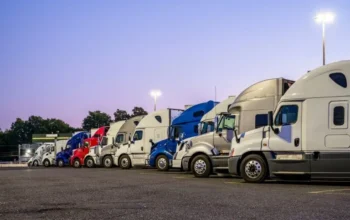
When a nor’easter rolls into Bangor, the roads aren’t the only thing that slows down. Couriers arrive hours late or not at all, staff call in because their driveways are buried, and the mailroom that normally runs like clockwork suddenly backs a with parcels, interoffice envelopes, and supply orders waiting for people who can’t get in.
For hospitals and busy offices, those delays matter, which is why more organizations are relying on hospital mailroom management systems to track every delivery, even when the weather does its best to scramble the schedule.
Winter in Maine is predictable in one way: it will be disruptive. The organizations that handle it well aren’t the luckiest. They’re the ones that plan for snow days, short-staffed shifts, and late trucks before the first storm arrives.
Winter Changes Everything About Delivery Timing
On a typical day, carriers drop off parcels within a familiar window, and the mailroom sorts and distributes them before lunch. In winter, that rhythm falls apart. A storm can push an entire day’s deliveries into the next morning, and the morning after a storm often brings a double load as carriers catch up.
Early darkness adds another complication. Deliveries that arrive late in the afternoon may sit overnight if staff have already gone home, especially in smaller offices without evening coverage.
In a Maine winter, the question isn’t whether deliveries will be late. It’s whether you’ll know where they are when they finally arrive.
Staff Shortages Hit the Mailroom Too
Hospitals across the country have been dealing with staffing pressures for years, and support roles are no exception. When the person who usually runs the mailroom is out sick, stuck at home, or covering another department, someone else has to step in.
That handover is where things often go wrong. If the process lives in one person’s head, a colleague filling in may not know where parcels are stored, who to notify, or which items need to go out first. The result is a pile of unsorted boxes and a lot of phone calls asking where things are.
Internal Deliveries Are the Hidden Workload
Much of what moves through a hospital or large office never comes from an outside carrier. Interoffice mail, signed documents, replacement equipment, and supply requests travel between departments, buildings, and sometimes separate campuses.
These internal deliveries are easy to overlook because they don’t have tracking numbers from a courier. Yet they can be just as important as anything arriving by truck. A missing form can delay billing, and a supply order that ends up in the wrong department can leave a unit scrambling.
Logging internal items the same way as external parcels, with a sender, a recipient, a time, and a location, gives them the same visibility.
Planning Around Storms
The best time to prepare for a storm is before it shows up in the forecast. A few simple adjustments can make a big difference when the snow starts.
| Area | Normal Week | Storm Week |
| Carrier arrivals | Steady and predictable | Delayed, then bunched together |
| Staffing | Regular mailroom team | Reduced or covered by others |
| Storage | Clears daily | Fills up as pickups slow down |
| Priorities | First come, first served | Urgent items need to go first |
| Communication | Routine notices | Updates on delays and pickup changes |
Organizations that plan ahead often set aside overflow storage, identify backup staff in advance, and agree on which deliveries take priority when the team is stretched thin.
Clear Records When the Usual Person Is Out
A shared digital log is one of the most practical tools for winter. When every parcel is scanned on arrival and given a recorded storage spot, anyone covering the mailroom can find it. They don’t need to know someone’s personal system or decipher handwriting in a notebook.
It also helps managers see what’s waiting. On the morning after a storm, a quick look at the log shows how many parcels arrived, which are still uncollected, and which departments need to be contacted.
A good mailroom process should work just as well on the day the regular staff can’t make it in.
Notifications That Save a Walk Across Campus
In winter, nobody wants to cross an icy parking lot to check whether a package has arrived. Automatic notifications sent when a parcel is logged let recipients know exactly when to come, or whether they can wait until conditions improve.
For hospitals with multiple buildings, this matters even more. Clinical staff are often too busy to make unnecessary trips, and a quick text or email can save time on an already demanding shift. Reminders for uncollected items also help clear storage before the next storm brings another wave.
Prioritizing What Can’t Wait
Not every delivery is equally urgent. Medical supplies, time-sensitive documents, and replacement equipment may need to move immediately, while personal parcels and routine office supplies can wait a day.
Flagging priority items at intake helps short-staffed teams focus on what matters most. Clear categories, agreed upon in advance with department leaders, remove guesswork during busy mornings and make it easier for anyone covering the mailroom to make the right call.
Built for Maine Winters
Bangor’s winters test every part of an organization, and internal deliveries are no exception. Late carriers, missing staff, and crowded storage are predictable challenges, so they can be planned for.
Hospitals and offices that keep things moving tend to rely on the same basics: log every item on arrival, record where it’s stored, notify recipients quickly, and agree on priorities ahead of time. With those steps in place, a snowstorm becomes an inconvenience rather than a crisis, and the deliveries that people depend on still reach the right hands.