Tire changing requires the right combination of equipment, technique, and preparation. A workshop may handle passenger cars, motorcycles, agricultural vehicles, or commercial trucks. Each application brings different requirements for removing and installing tires. Choosing equipment without considering these differences can make routine jobs more difficult.
An electric tire changer uses powered mechanisms to reduce the physical work involved in mounting and removing tires. Manual equipment relies on mechanical leverage and operator effort. Both approaches have a place in tire maintenance, but their suitability depends on workload, wheel construction, and available workspace.
How Electric Tire Changers Work
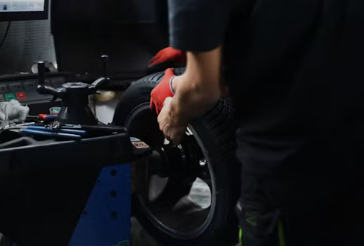
An electric tire changer uses a powered motor to operate its main working components. Depending on the machine design, it may rotate the mounting table, support bead breaking, or assist with other stages of tire removal and installation. Some models also use compressed air for clamping and bead-related functions.
The operator still needs to position the wheel, control the mounting head, and guide the tire through the process. Powered movement reduces repeated physical effort and supports a more consistent workflow. This can be useful in workshops that handle several different tire sizes throughout the working day.
However, electrical power alone doesn’t determine machine performance. Wheel clamping, mounting head design, bead assistance, and available adjustments also influence how well the equipment handles different assemblies.
Manual Equipment Still Has a Place in Tire Repair
A manual tire bead breaker uses mechanical force to separate the tire bead from the wheel rim. It commonly relies on a lever, screw mechanism, or another mechanical arrangement. The operator positions the working component against the bead and applies pressure through the handle.
These tools can support repairs where powered machinery isn’t available or practical. They are useful for selected ATV, UTV, agricultural, and other compatible tire applications. Their portability also makes them suitable for maintenance locations with limited workshop facilities.
But manual equipment requires proper technique. Incorrect positioning can damage the wheel or cause the tool to slip. The operator must understand the equipment’s intended applications before starting the repair.
Five Factors to Consider When Selecting Tire-Changing Equipment
The right equipment should match the work performed in your garage or workshop. These five considerations help narrow down the available options.
1. Tire and Wheel Size
Start by identifying the wheel diameters and tire widths you regularly handle. A machine designed for passenger car wheels may not support larger commercial or agricultural assemblies. Check the manufacturer’s working range instead of relying on general product descriptions.
Also consider tire construction. Low-profile and reinforced sidewalls can require additional bead assistance. Make sure the equipment supports the specific wheel and tire combination.
2. Expected Workload
A small repair garage may change only a few tires each day. A busy tire shop may handle a much larger number of vehicles. Equipment should support the expected workload without creating unnecessary physical demands.
For frequent jobs, powered equipment can reduce repetitive manual work. Occasional repairs may not justify a permanent powered setup. Consider both current demand and the type of work you expect to handle regularly.
3. Available Power and Workspace
Electrical machines need a suitable power supply and enough room for installation. Some models also require compressed air for specific functions. Check electrical requirements, floor space, and access around the machine before purchasing.
Manual equipment offers more flexibility in locations without permanent electrical connections. However, the stand still needs a stable mounting surface. A secure setup is important for controlled operation.
4. Wheel Protection
Wheel damage can occur when the mounting head, clamping mechanism, or hand tools contact the wrong surface. This matters particularly when servicing painted, polished, or alloy wheels.
Look for protective covers, suitable mounting heads, and compatible clamping adapters. The operator’s technique also matters. Even well-designed equipment can damage a wheel when used incorrectly.
5. Maintenance Requirements
Check how the machine handles routine servicing. Electric equipment may contain motors, switches, bearings, belts, and other components that need inspection. Manual tools have fewer powered components but still require attention to moving joints, threads, and contact surfaces.
Choose equipment with accessible replacement parts and clear maintenance instructions. This helps keep the workshop prepared for regular service work.
Are Manual Tire Changers Effective for Frequent Use?
Manual tire changers can handle regular work when the tires fall within their specified capacity. They are especially useful for garages that service compatible wheels and have limited equipment requirements. Their simple construction also means fewer powered components to maintain.
However, frequent use increases the physical workload. Technicians must apply leverage repeatedly while controlling the tire and wheel. This can become tiring during a long working shift.
For a workshop handling many passenger vehicles each day, powered equipment may provide a more suitable working arrangement. Manual tools remain useful for occasional jobs, selected wheel types, and maintenance tasks outside a fully equipped workshop.
Choosing a Manual Tire Bead Breaker for Different Applications
Not every bead-breaking tool uses the same operating method. Understanding the available designs helps prevent compatibility problems.
Lever-Type Breakers
These tools use a handle to apply mechanical pressure against the tire bead. Their working principle is straightforward, but positioning determines how effectively they separate the bead. They suit applications within the manufacturer’s specified wheel range.
Screw-Type Breakers
Screw mechanisms create pressure through threaded movement. Turning the handle gradually moves the working head against the bead. This arrangement allows controlled mechanical adjustment during compatible repair tasks.
Slide Hammer Breakers
A slide hammer uses a moving weight to generate impact through a connected working component. It can help release certain stubborn beads when the wheel design permits its use. However, its striking action makes correct positioning and compatibility particularly important.
A manual tire bead breaker should always match the wheel design and tire application. Check whether the tool is intended for the specific rim construction before using it.
Can a Slide Hammer Bead Breaker Work on Every Tire?
No. A slide hammer isn’t suitable for every tire and wheel combination. Its working method depends on having the correct contact position and enough clearance around the wheel. Some rim designs also have restrictions that make impact-based bead-breaking methods unsuitable.
For example, certain tools are specified for wheels without a safety hump. Low-profile tires and delicate alloy wheels may need equipment designed to protect their particular construction. Always check the manufacturer’s instructions before applying impact.
Avoid assuming that a tool will work simply because its size appears suitable. Tire construction, rim profile, and working clearance all affect compatibility.
Selecting Equipment for a Professional Auto Shop
An auto shop should select equipment around its most demanding regular jobs. Start by reviewing the types of vehicles serviced and the wheel assemblies technicians handle most often. This provides a clearer basis for comparing powered and manual equipment.
An electric tire changer may suit a workshop with consistent tire replacement demand. Look for useful features such as adjustable clamping, suitable mounting heads, bead assistance, and wheel protection. A wheel lift can also help when technicians regularly handle heavy assemblies.
A manual tire bead breaker can complement the main machine for compatible maintenance tasks. It may also support specialized work where a separate bead-breaking tool offers practical access. The key is to avoid treating one tool as a complete replacement for every tire-changing operation.
Using Manual Equipment for Home Tire Repairs
Home garages don’t always need the same equipment as commercial workshops. A manual setup can be practical when the owner handles occasional repairs and works with compatible tires. It also avoids dependence on a permanently installed powered machine.
Before buying, check the supported wheel sizes, mounting requirements, and included accessories. The stand should attach securely to a suitable surface. Keep enough working space around the wheel to control the tool without obstruction.
A manual tire bead breaker can help with specific home maintenance jobs, but it doesn’t perform every stage of tire replacement. You may still need mounting tools, suitable lubricant, and separate balancing equipment. More complex wheel assemblies should be handled by trained tire technicians.
Common Mistakes That Can Affect Tire-Changing Results
Incorrect equipment selection is one of the most common problems. A tool may appear suitable but lack the required capacity for a particular tire. Always check its specifications before applying force.
Another mistake is working with an inflated tire during bead separation. Completely deflate the tire and follow the manufacturer’s procedure. Also avoid using excessive force when the bead doesn’t release as expected.
Poor lubrication can make mounting and demounting harder. Use a suitable tire mounting lubricant and follow the recommended technique. Inspect the rim and tire for damage before continuing.
Frequently Asked Questions
- Are manual tire changers effective for frequent use?
Yes, when used within their rated capacity. However, powered machines are generally more practical for workshops handling high daily workloads.
- Can I use a slide hammer bead breaker on all types of tires?
No. Compatibility depends on the wheel design, rim profile, and tool specifications. Some wheels require different bead-breaking equipment.
- How do I choose the right tire changer for my auto shop?
Consider wheel sizes, tire construction, daily workload, power availability, mounting features, and wheel protection. Select equipment that supports your most demanding regular applications.
- Can I use a manual tire changer for home repairs?
Yes, provided the equipment supports the tire and wheel combination. Secure the stand properly and follow the operating instructions.
- Does an electric tire changer also balance wheels?
Not necessarily. Tire changing and wheel balancing are separate operations. A compatible wheel balancer is needed to measure and correct wheel imbalance.