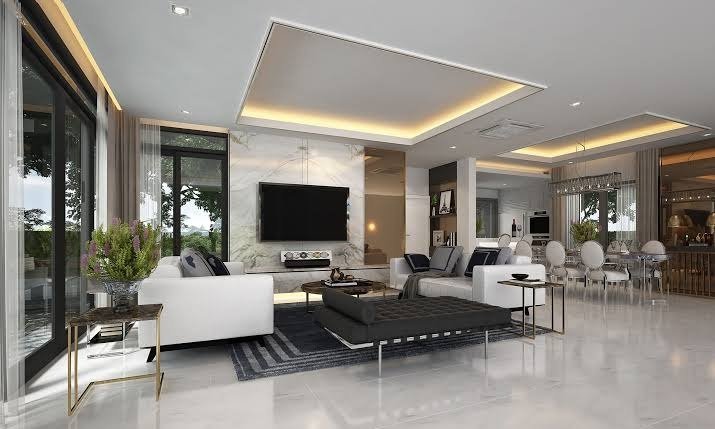
A beautiful home should do more than impress visitors. It should make mornings easier, evenings calmer, and everyday routines feel comfortable. From natural light falling across a living room to carefully planned storage that keeps clutter away, thoughtful interiors can transform ordinary spaces into meaningful experiences.
Working with modern interior designers helps homeowners connect aesthetics with practical living. The right design approach considers personal preferences, available space, materials, lighting, and long-term usability. Instead of blindly following trends, homeowners can create interiors that reflect their lifestyles while maintaining a sense of elegance and individuality.
Thoughtful Interior Planning for Modern Luxury Homes
Luxury interiors feel effortless because every element has a purpose. Good planning brings together movement, comfort, proportion, and visual harmony without sacrificing everyday functionality.
1. Creating Spaces That Reflect Individual Lifestyles
Every household uses its home differently. Some families need welcoming entertainment areas, while others value peaceful reading corners, dedicated workspaces, or flexible rooms that accommodate changing routines. Start interior planning with these real-life needs rather than copying a showroom arrangement.
- Understand daily routines:Identify how residents use each room throughout the day.
- Personalise the layout:Allocate space according to household priorities and preferences.
- Balance openness and privacy:Create connected areas without compromising personal comfort.
When design reflects actual habits, a home becomes easier to navigate and more enjoyable to use. Personalisation also helps interiors remain relevant as families grow and lifestyles evolve.
2. Using Lighting to Transform Everyday Experiences
Lighting influences how a room looks and feels. Harsh illumination can make a comfortable space seem clinical, while poorly lit corners can reduce functionality. A considered lighting plan combines daylight, ambient lighting, task lighting, and accent fixtures to support different activities.
- Maximise natural light:Use suitable window treatments that preserve brightness and privacy.
- Layer illumination:Combine general lighting with focused and decorative fixtures.
- Create atmosphere:Use appropriate lighting levels for relaxing, working, and entertaining.
Thoughtful lighting highlights architectural details, enhances materials, and makes rooms adaptable throughout the day. It also helps establish a welcoming atmosphere without relying entirely on expensive decorative elements.
3. Selecting Materials That Balance Elegance and Durability
Premium interiors depend on more than expensive finishes. Materials should complement the overall design while meeting practical requirements for maintenance, comfort, and durability. Natural stone, timber, textured fabrics, and engineered surfaces each offer different visual qualities and performance characteristics.
- Choose suitable finishes:Match materials to their purpose and how often they’ll be used.
- Consider maintenance:Understand cleaning requirements before selecting delicate surfaces.
- Maintain visual consistency:Coordinate colours, textures, and finishes across connected rooms.
In Indian homes, heat, dust, humidity, and monsoon conditions may influence material choices. Choosing suitable products helps preserve an interior’s appearance while reducing unnecessary upkeep. The result feels refined without becoming difficult to maintain.
Maintaining Comfort Through Colour, Texture, and Detail
Colours and textures shape an interior’s character, influencing its mood, warmth, and visual appeal. Soft neutral shades can create a calm foundation, while deeper colours and contrasting materials add personality. Combining smooth surfaces, woven fabrics, natural finishes, and carefully chosen decorative elements introduces depth without making a room feel crowded.
A coordinated colour palette across walls, furniture, and accessories helps maintain visual harmony, while distinctive artwork, cushions, and statement pieces bring individuality. Attention to these details creates a polished atmosphere, allowing each room to feel unique while remaining connected to the home’s overall design.
Bringing Modern Interior Designers Into Cohesive Design Decisions
Successful interiors require coordination between layout planning, furniture selection, lighting, materials, and installation. Modern interior designers can help connect these elements into a consistent visual direction while keeping comfort and functionality central to the process.
1. Integrating Smart Features Without Overcomplicating Spaces
Technology can make modern homes more convenient when it serves a clear purpose. Automated lighting, climate controls, security systems, and motorised curtains can simplify everyday tasks, but unnecessary features may increase costs and complexity.
- Prioritise useful functions:Select technology that addresses genuine household needs.
- Plan infrastructure early:Consider wiring, connectivity, and control systems during design.
- Keep operation simple:Choose features that residents can manage comfortably.
Integrating technology during the planning stage can reduce disruptive changes later. Careful coordination also helps devices work together while preserving a clean interior appearance.
2. Making Furniture and Storage Work Harder
Furniture should complement a room’s proportions while supporting comfortable movement. Oversized pieces can make smaller rooms feel cramped, while insufficient storage often lets everyday clutter dominate carefully designed spaces. The goal is to balance aesthetics with practical use.
- Choose appropriate proportions:Match furniture dimensions to the room and its circulation space.
- Use concealed storage:Keep frequently used belongings accessible without creating visual clutter.
- Create flexible arrangements:Consider multifunctional furniture where space is limited.
Well-planned furniture layouts make rooms feel organised and spacious. They also help homeowners preserve the intended design without sacrificing the practical details that make daily life easier.
3. Investing in Long-Lasting Furniture
Furniture should retain its comfort, functionality, and appearance over time. Choosing durable construction and timeless designs helps homeowners avoid frequent replacements while maintaining a refined interior.
- Check build quality:Look for sturdy frames, reliable fittings, and durable upholstery.
- Choose timeless styles: Select designs that remain appealing beyond short-lived trends.
- Match materials to use:Consider wear, cleaning needs, and household activity before purchasing.
Investing in quality furniture supports long-term value and keeps interiors looking cohesive, comfortable, and well-maintained.
Conclusion
Luxury interior design is ultimately about making a home feel as good as it looks. Thoughtful layouts, appropriate materials, balanced lighting, and useful technology can transform everyday routines into more comfortable experiences. When each decision supports both beauty and function, interiors become personal, practical, and enduring.
Those comparing the best luxury interior designers in Bangalore should consider project experience, design approach, communication, and the ability to balance creativity with practical requirements. For homeowners exploring premium design solutions, WeDezine Studio offers services that can help bring individual interior visions to life. They can translate lifestyle preferences into cohesive spaces through considered planning, aesthetic choices, and attention to functional details. The right partnership can turn an ordinary room into a space that feels distinctly personal, proving that genuine luxury lies in thoughtful details enjoyed every day.