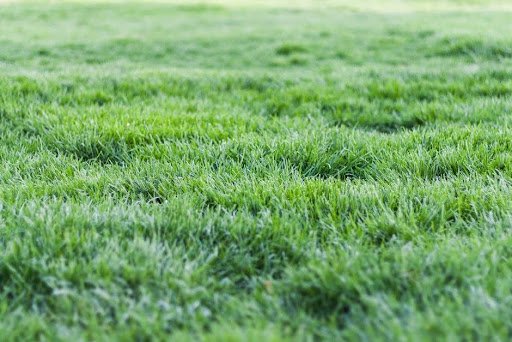
If you’ve ever looked at a patchy yard and wondered why it still struggles after all that watering and fertilizing, you’re not alone. A healthy lawn isn’t just about keeping it green for photos or neighborhood pride. It affects soil quality, runoff, pollinators, and the amount of work you deal with every weekend. Once you understand what your grass actually needs, yard care starts making a lot more sense.
Start by Understanding What Your Lawn Is Telling You
A struggling lawn usually gives you clues long before it turns into a full-blown mess. Thin grass, hard soil, yellowing patches, mushrooms, and puddling after rain each point to different issues. You’re not just looking at a cosmetic problem. You’re looking at a small ecosystem sending out stress signals.
Many homeowners treat every lawn issue with the same store-bought fix. That’s a bit like taking cough syrup for a sprained ankle. Grass health depends on soil biology, moisture balance, root depth, and mowing habits.
Check how easily a screwdriver goes into the ground. If it barely pushes in, compaction is likely part of the problem. Look at drainage after a storm, too. Water that sits too long often means your soil structure needs attention, not just more seed.
Healthy Soil Does More Work Than Most Fertilizers Ever Will
The real engine of a good lawn sits below the surface. Soil holds nutrients, supports root growth, stores water, and houses microbes that help everything function. When that system is weak, grass struggles no matter how expensive the lawn products are.
This is where organic lawn care becomes worth understanding. The focus shifts from force-feeding growth to improving the soil so your yard can support itself more effectively. That can include compost-based inputs, natural soil conditioners, and practices that encourage microbial life instead of wiping it out.
You’ll often get better long-term results by improving soil structure than by chasing short bursts of green. A lawn that grows fast from synthetic nitrogen may look impressive for a minute, then crash when heat, pests, or drought show up. Nature keeps receipts.
Mowing Habits Can Help or Hurt More Than You Think
A lot of lawn stress comes from mowing habits that seem harmless. Cutting grass too short is one of the biggest mistakes. It weakens roots, exposes soil to heat, and gives weeds more room to move in. The neat “golf course” look often creates more work, not less.
Keep your mower blade sharp and avoid removing more than one-third of the grass height at once. Taller grass shades the soil, helps retain moisture, and usually develops stronger roots. That means fewer bare spots and better resilience during dry spells.
Leave grass clippings when possible. They break down quickly and return nutrients to the lawn without much fuss. It’s one of the easiest ways to feed your yard without adding another chore.
Timing matters too. Mowing during extreme heat or when grass is stressed can slow recovery. Your lawn doesn’t need a dramatic makeover every weekend. It needs consistency and a little restraint.
Watering Smarter Beats Watering More Often
Plenty of lawns are overwatered and still unhealthy. Frequent shallow watering trains roots to stay near the surface, where they dry out faster. Then the grass becomes dependent on constant irrigation, which is not exactly a brilliant long-term arrangement.
Water deeply and less often so roots grow downward. Early morning is usually the best time because it reduces evaporation and gives the lawn time to dry out during the day. Evening watering can leave moisture sitting too long, which may invite fungal problems.
A simple rain gauge or even a tuna can works for measuring how much water your lawn receives. You don’t need fancy gear to get practical results. Most lawns do better with around one inch of water per week, including rainfall, though local climate and soil type can shift that number.
Watch the grass itself. If footprints linger or blades start folding, the lawn may need water. If the ground feels soggy, back off.
Feed the Lawn Based on Need, Not Marketing Hype
Fertilizer labels can make yard care sound like a high-stakes chemistry final. In reality, your lawn often needs a thoughtful plan more than a shelf full of products. Feeding should match the condition of the soil and the season, not the loudest promise on the bag.
A soil test is one of the smartest starting points. It shows nutrient levels and pH, helping you avoid adding things your yard doesn’t need. Too much phosphorus or nitrogen doesn’t just waste money. It can also wash into waterways and create environmental problems beyond your property line.
Slow-release and biologically supportive inputs tend to encourage steadier growth. That matters because grass that shoots up too fast often becomes weaker and more vulnerable to stress. Think stable progress, not a green sugar rush.
If your lawn has recurring issues, don’t keep escalating products. Reassess the basics first: soil, water, mowing, sunlight, and compaction.
Weeds and Pests Usually Exploit Weak Conditions
Weeds are annoying, but they’re also useful informants. Clover, crabgrass, dandelions, and moss each thrive under certain conditions. Instead of treating them like random invaders, look at what they reveal about your lawn.
Crabgrass often shows up in thin, stressed areas with compacted soil. Moss tends to prefer shade, acidity, and poor drainage. Clover may signal low nitrogen, though it can also support pollinators and stay green during dry periods. Not every “weed” is the villain of the yard.
Pests work the same way. Grubs, chinch bugs, and fungal diseases often hit lawns that are already under stress. Strong soil biology and healthier root systems can improve resistance naturally.
Spot treatment makes more sense than blanket applications in many cases. If you only target the problem areas and fix the underlying condition, you reduce chemical use and often get better staying power. The lawn becomes less of a battleground and more of a functioning system.
Build a Yard That Stays Resilient Through the Seasons
A durable lawn comes from patterns, not one-time fixes. Aeration can help if your soil is compacted. Overseeding fills in thin areas and improves density. Compost topdressing adds organic matter and supports better moisture retention. These steps aren’t flashy, but they’re effective.
Pay attention to seasonal timing. Cool-season grasses usually respond best to major repair work in early fall, while warm-season lawns often recover better in late spring and early summer. Working with the growth cycle saves you effort and improves results.
It also helps to adjust expectations. A healthy lawn doesn’t need to look artificially perfect every day of the year. Some seasonal variation is normal. The goal is resilience, not a suspiciously glossy carpet that seems one gust away from a breakdown.
When you build from the soil up, your yard generally becomes easier to manage, safer for kids and pets, and less dependent on harsh interventions. That’s a better trade than chasing short-term green at any cost.