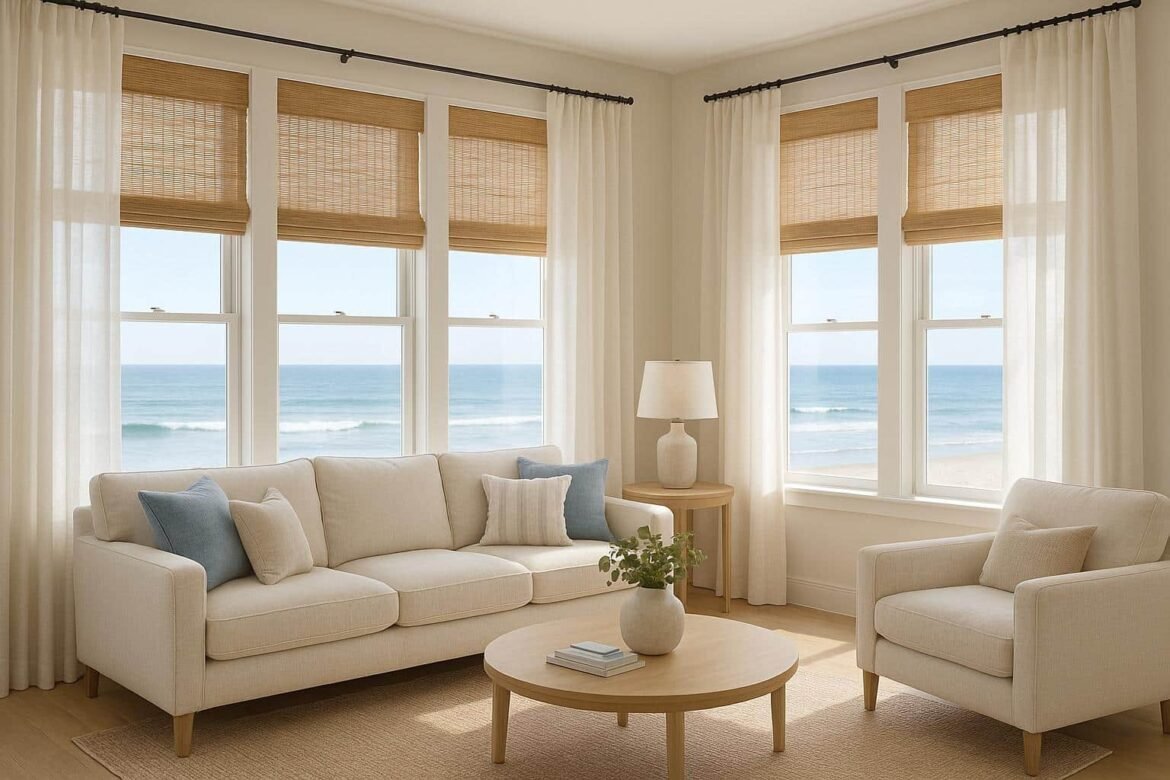
Living near the bay is a gift, but it comes with its own window challenges. Bright, reflective light pours in for much of the day. Summer sun heats west-facing rooms. Salty air, humidity and wind all take their toll on fabrics and fittings. Meanwhile, you still want privacy, comfort and a look that suits your home. Choosing the right window coverings is a balancing act, and if you are exploring Curtains and Blinds Bayside, this guide helps you think through light, fabric, function and fit so you end up with something beautiful and practical.
Start With the Light
Before looking at styles, ask what each window needs to do. Windows serve different purposes depending on direction and use.
- North-facing: Receive strong light most of the day. Choose coverings that filter glare yet keep the room bright.
- West-facing: Face harsh afternoon sun and heat. Consider thermal or block-out options.
- East-facing: Receive morning light. Bedrooms may need darkening for sleep.
- South-facing: Get softer light and more cooling, so lighter, more decorative treatments work well.
Curtains vs Blinds: Which Should You Choose?
Neither is better overall. They suit different jobs, and many homes use both.
Curtains
- Add softness, texture and warmth.
- Frame windows and make ceilings look taller when hung high.
- Offer excellent insulation when lined.
- Come in an enormous range of fabrics and styles.
Blinds
- Take up less room and sit neatly inside the window frame.
- Suit modern, minimalist spaces.
- Give precise control over light and privacy.
- Are often easier to clean in kitchens and bathrooms.
Combining Both
Layering sheer curtains with block-out blinds, for example, lets you enjoy diffused daytime light and full darkness at night.
A Guide to Popular Blind Types
- Roller blinds: Simple, streamlined and available in sunscreen, light-filtering and block-out fabrics.
- Roman blinds: Fabric blinds that fold into soft pleats, combining the neatness of a blind with the warmth of curtains.
- Venetian blinds: Slats in timber, faux wood or aluminium that tilt to control light.
- Vertical blinds: Ideal for sliding doors and wide openings.
- Plantation shutters: Solid, permanent and elegant, with adjustable louvres. They add value and character.
- Outdoor blinds: Protect patios and verandahs from sun, wind and rain.
Curtain Styles Worth Knowing
- Sheer curtains: Light, airy and perfect for diffusing bright coastal sunshine.
- Block-out curtains: Heavy, lined fabrics that darken bedrooms and improve insulation.
- Pencil pleat, pinch pleat and wave fold: Different headings create formal, traditional or contemporary looks.
- Eyelet curtains: A casual, easy-gliding option.
- Double-hung curtains: Sheers behind heavier drapes for flexibility.
Choosing Fabrics for Coastal Homes
Bayside conditions call for sensible fabric choices.
- UV resistance: Strong sun fades colour and weakens fibres. Choose fade-resistant fabrics for sunny windows.
- Humidity tolerance: Bathrooms, kitchens and laundries suit easy-wipe, moisture-resistant materials.
- Natural fibres: Linen and cotton offer a relaxed beach-house feel, but may need more care.
- Performance fabrics: Polyester blends and treated fabrics resist wrinkles and stains.
- Light filtering: Sunscreen fabrics reduce glare while preserving the view.
Colours matter too. Soft whites, sandy neutrals, pale blues and greys echo a coastal palette, while deeper tones add drama and cosiness.
Room-by-Room Suggestions
Living Room
Layered sheers and curtains let you control light while keeping a welcoming look. Sunscreen blinds can handle glare during the day.
Bedroom
Block-out is the priority for restful sleep, especially in rooms exposed to early morning sun or street lighting.
Kitchen and Dining
Practical, wipe-clean roller blinds or shutters withstand moisture and cooking residue.
Bathroom
Moisture-resistant materials, such as PVC, aluminium or faux timber, are best. Frosted or sheer options protect privacy.
Home Office
Light-filtering blinds reduce screen glare while keeping the room bright and productive.
Children’s Rooms
Choose cord-free or child-safe designs, such as cordless or motorised blinds, with block-out for naps.
Safety and Practical Considerations
Corded blinds can be a strangulation hazard for young children. Look for cordless, wand-operated or motorised options, and follow safety regulations for cord fixings. Motorised and smart blinds also add convenience, letting you schedule opening and closing or control windows by remote or voice.
Measuring and Fitting
Accuracy is important.
- Decide on inside or outside mount. Inside mount sits within the window recess for a clean look, while outside mount can make a window appear larger and block more light.
- Measure width and height in several places. Windows are rarely perfectly square.
- Allow for curtain fullness. Fabric usually needs to be 1.5 to 2.5 times the width of the window for a luxurious look.
- Hang curtain rods high and wide to make the window feel larger.
- Consider a professional measure and install. Custom-made coverings fit precisely and avoid costly mistakes.
Caring for Your Window Coverings
- Dust blinds and curtains regularly with a soft brush or vacuum attachment.
- Wipe blinds with a damp cloth when needed.
- Follow fabric care labels for washing or professional cleaning.
- Keep windows ventilated to reduce moisture.
- Replace worn cords or fittings promptly.
Questions to Ask Before You Buy
- Are the fabrics suited to strong sun and coastal humidity?
- What warranty is provided?
- Is measuring and installation included?
- Can I see samples at home?
- How long will custom orders take?
- Are child-safe options available?
Final Thoughts
Good window coverings do more than hide a window. They shape light, protect your furniture, improve comfort and tie your decor together. Think carefully about orientation, function and fabric, choose a combination of styles that suits each room and invest in accurate measuring and installation. Do this, and your windows will work as hard as they look good.