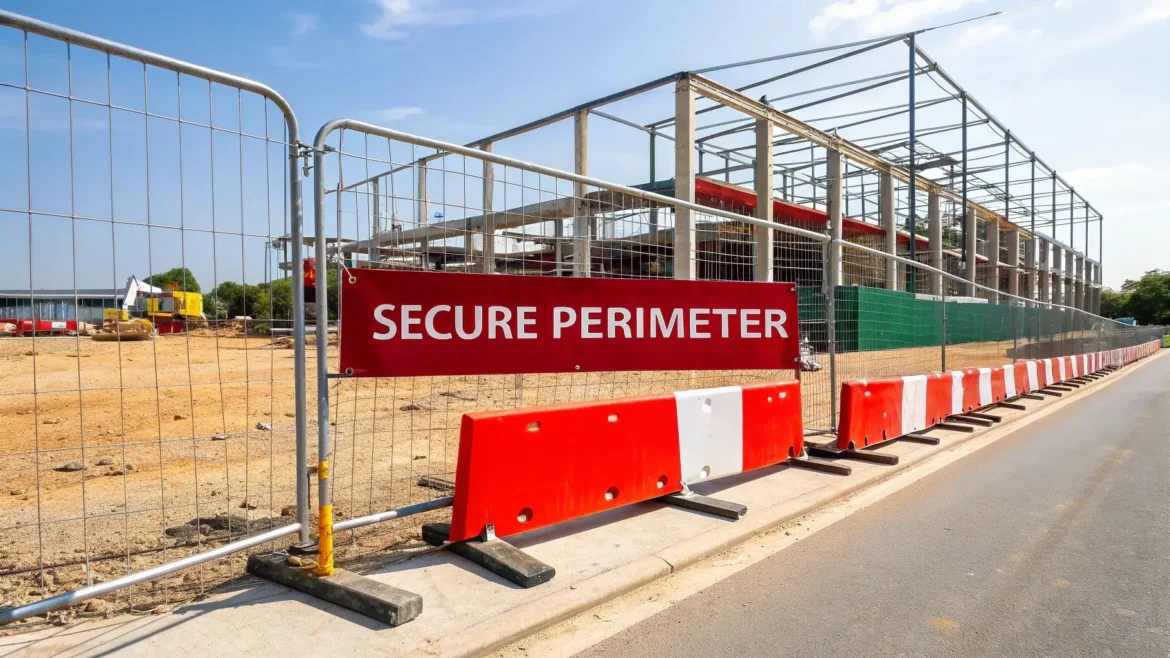
Every busy site in Melbourne has one thing in common: a clear line between the public and the work. Whether it is a half-finished townhouse in Brunswick, a food festival on the Yarra or a burst water main on a suburban street, a fence is often the first thing that goes up and the last thing that comes down. If you are weighing up options for temporary fencing Melbourne, this guide explains how it works, what to ask for and how to avoid the mistakes that cost time and money.
What Temporary Fencing Actually Does
Temporary fencing is a freestanding barrier that can be installed, moved and removed without concrete footings or permanent fixings. It does four jobs at once:
- Keeps people out of danger zones such as excavations, scaffolding and plant movement areas.
- Protects property and materials from theft and casual tampering.
- Controls crowds and queues at events, markets and sporting fixtures.
- Signals responsibility. A tidy perimeter shows neighbours, councils and insurers that the site is being managed properly.
Because it is modular, it adapts to almost any footprint, from a narrow laneway to a full city block.
The Main Types You Will Come Across
Choosing the right system starts with understanding what is on offer.
Panel Fencing
The classic option is a welded steel mesh panel held in a moulded base or clamped to stands. Panels are typically around 2.1 metres high and 2.4 metres wide, which suits construction sites and long perimeters. They are sturdy, see-through and quick to join with couplers.
Shade Cloth and Privacy Screening
Mesh panels can be dressed with shade cloth or printed screening. This reduces dust, blocks sightlines into the site and can carry signage or branding. It also catches more wind, so bracing matters.
Pedestrian Barriers
Lightweight steel barriers with flat or bridge feet are common at events, roadworks and queue management. They are easy to carry and line up in minutes, but they are not designed to hold back a determined crowd or a vehicle.
Hoarding and Solid Panels
Where a street frontage needs a solid look, plywood or composite hoarding offers a smoother, more finished appearance. It is often required for projects close to footpaths.
Planning the Perimeter Before You Order
A little preparation saves a lot of rework on the day.
- Measure the boundary. Know the total length, the number of corners and the location of gates.
- Mark the access points. Trucks, pedestrians and emergency services may each need a separate entrance.
- Check the ground. Sloping, soft or paved surfaces change how panels should be stabilised.
- Allow for wind. Melbourne weather can turn quickly, so ask whether extra bracing, sandbags or ballast blocks are needed.
- Confirm the duration. Rental periods and pricing usually depend on how long the fence stays up.
Walk the site with your supplier if you can. A five-minute inspection often reveals problems that a plan on paper hides.
Safety and Compliance Considerations
Construction sites, road reserves and public events each sit under different rules. Local councils may require permits for fencing on or near footpaths, and work-safety regulators expect hazards to be isolated from the public. Some key points:
- Gates should be lockable and clearly marked for authorised access.
- Panels must be clamped together so gaps do not open under pressure.
- Sharp edges, trip hazards and unprotected ends should be addressed.
- Emergency egress needs to remain clear at events.
Your hire company should be able to explain which approvals apply to your job, but responsibility for compliance remains with the site or event owner, so confirm requirements early.
Using Temporary Fencing at Events
Melbourne’s calendar is packed with festivals, fun runs, markets and concerts, and fencing quietly shapes the experience at all of them.
- Entry and exit lanes keep movement organised and make ticket checks faster.
- Back-of-house zones protect equipment, staff areas and storage.
- Crowd barriers at stages and finish lines reduce crushing risk.
- Vendor areas stay defined and tidy.
For larger events, plan fence layouts alongside your site map and talk to your supplier about the number of people expected rather than just the length of the fence.
Hire or Buy?
For most one-off or seasonal needs, hiring is the sensible choice. You pay only for the period you need, delivery and collection are handled for you, and you avoid the storage and maintenance headaches of owning hundreds of panels. Buying can make sense for a business that runs back-to-back projects year round, but that usually requires a yard, a truck and regular upkeep.
Common Mistakes to Avoid
- Underestimating length. Corners, gates and returns add more panels than people expect.
- Ignoring wind loading. Screened fences act like sails.
- Forgetting gate access. A fence that blocks deliveries soon gets moved.
- Leaving gaps at joins. Coupled panels should sit snug with no walk-through space.
- Booking too late. Peak seasons for events and construction fill up quickly.
Questions to Ask Before You Book
A reliable supplier will happily answer these:
- What heights and types do you recommend for this job?
- Are installation, relocation and removal included?
- How are panels stabilised on my surface type?
- What happens if the fence is damaged or the job runs over?
- Can you supply gates, signage and screening as part of the package?
Final Thoughts
Good temporary fencing is rarely noticed when it works, and very noticeable when it does not. By understanding the types available, planning your layout, respecting the safety rules and booking early, you set up any project or event for a smoother start and a cleaner finish. Take the time to measure, ask questions and choose a supplier that explains its recommendations clearly, and the fence will do its job quietly in the background while you focus on everything else.